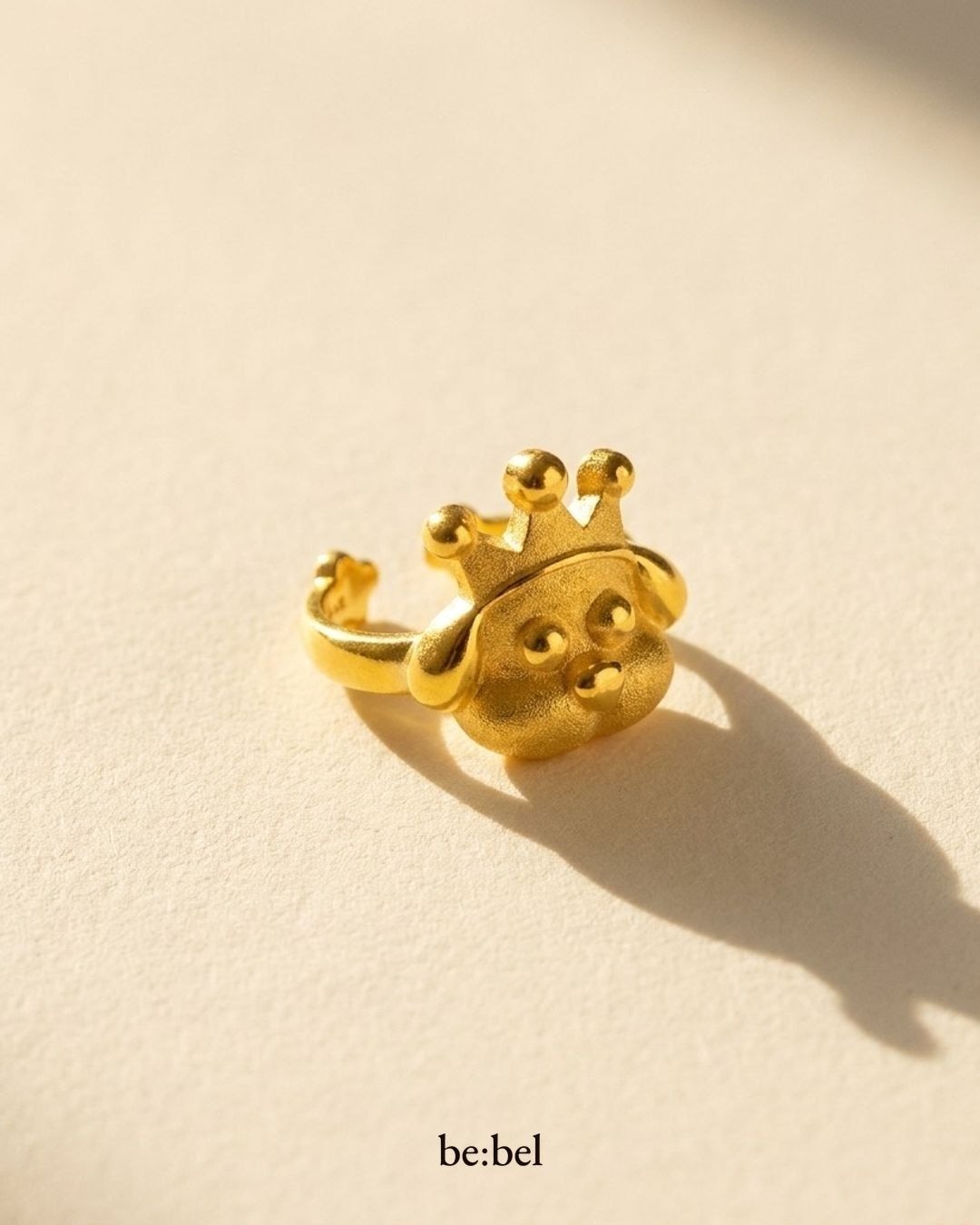
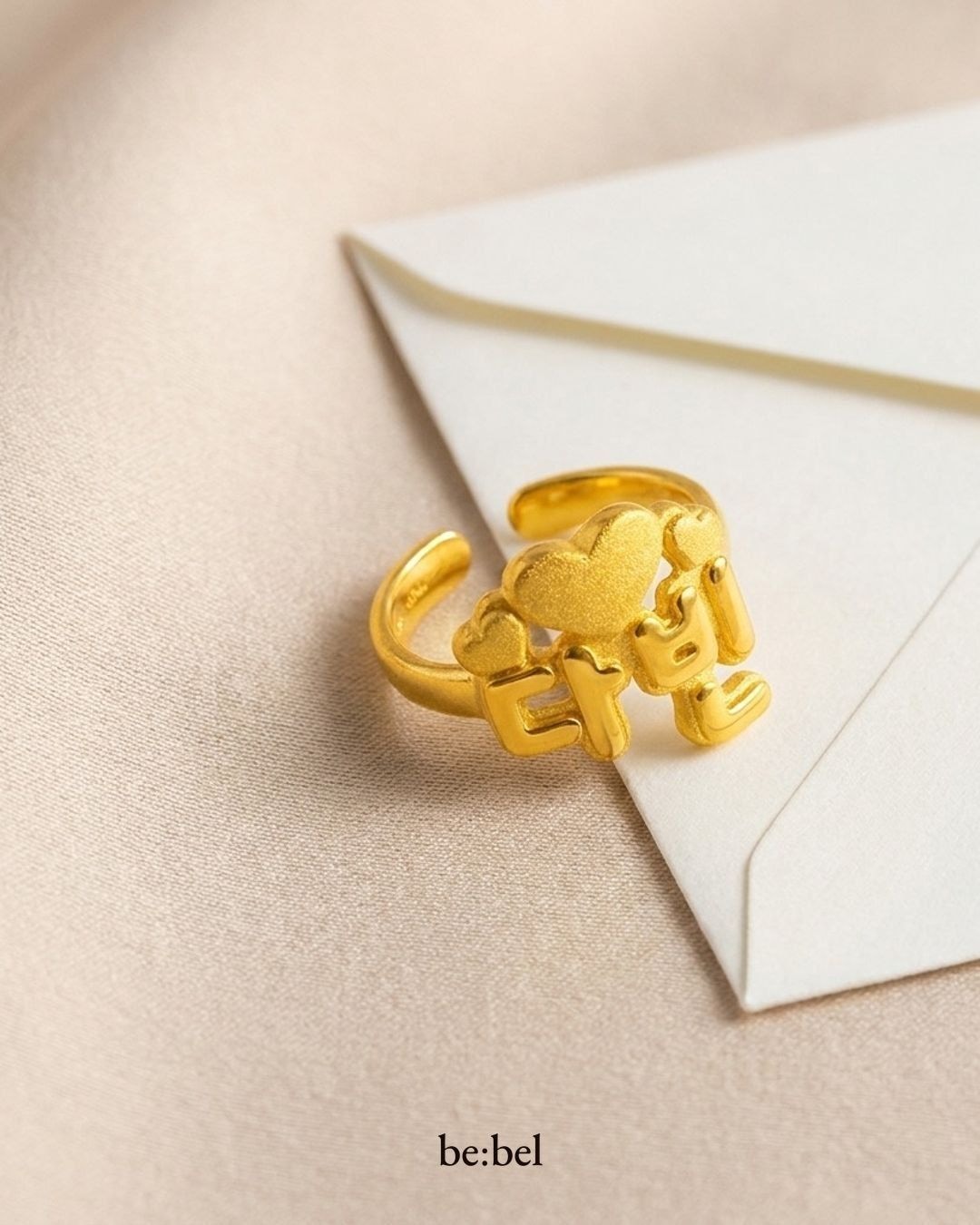
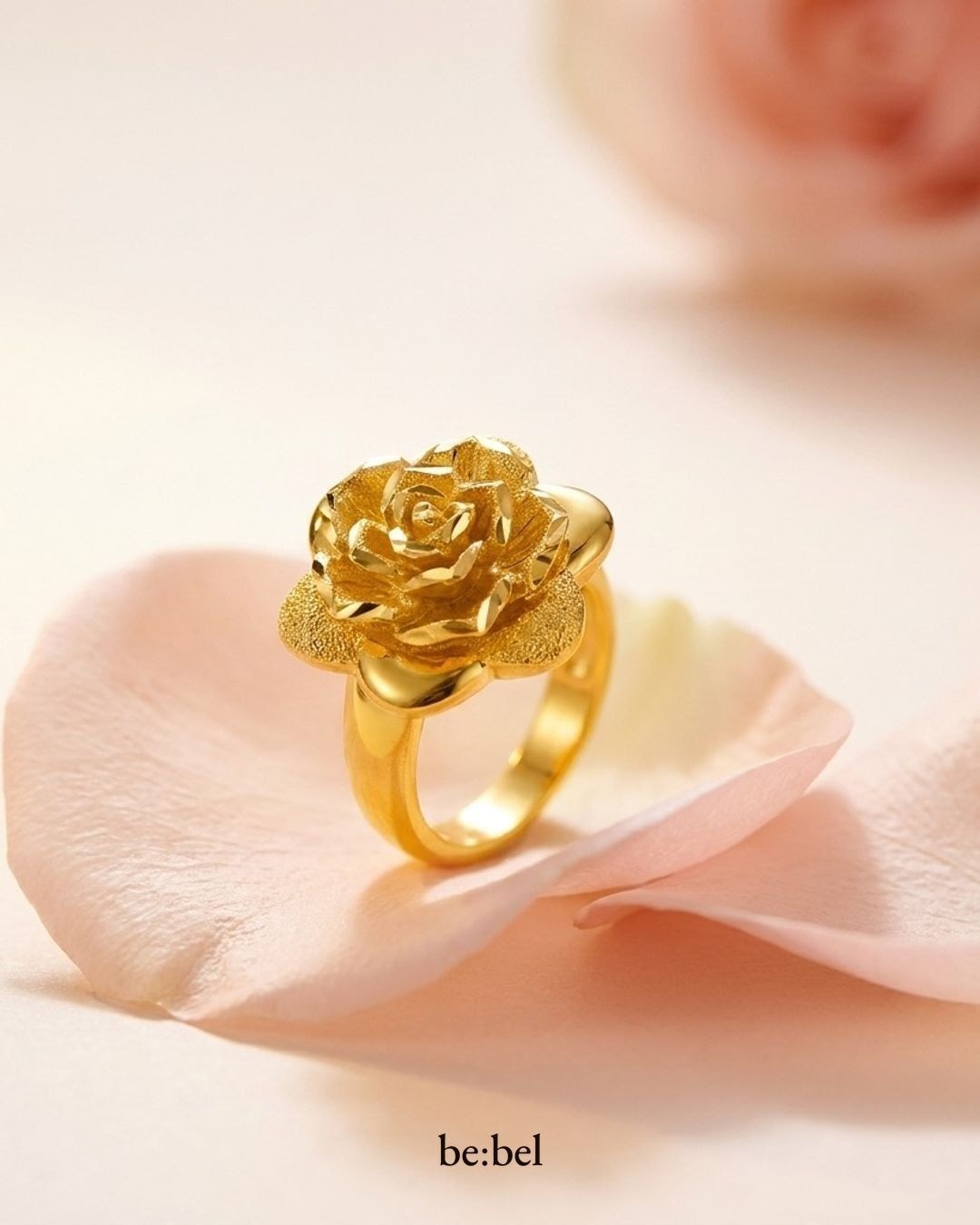
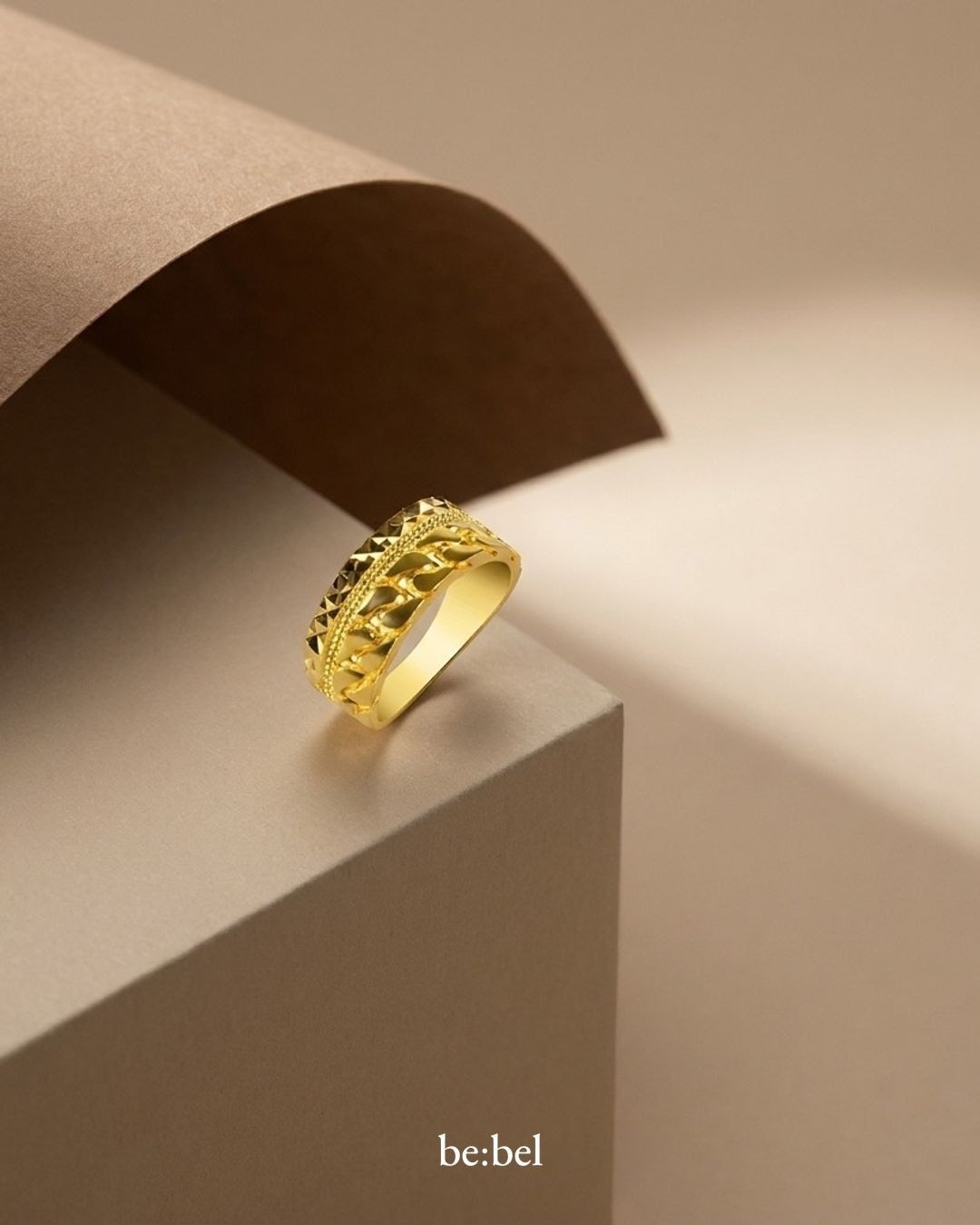
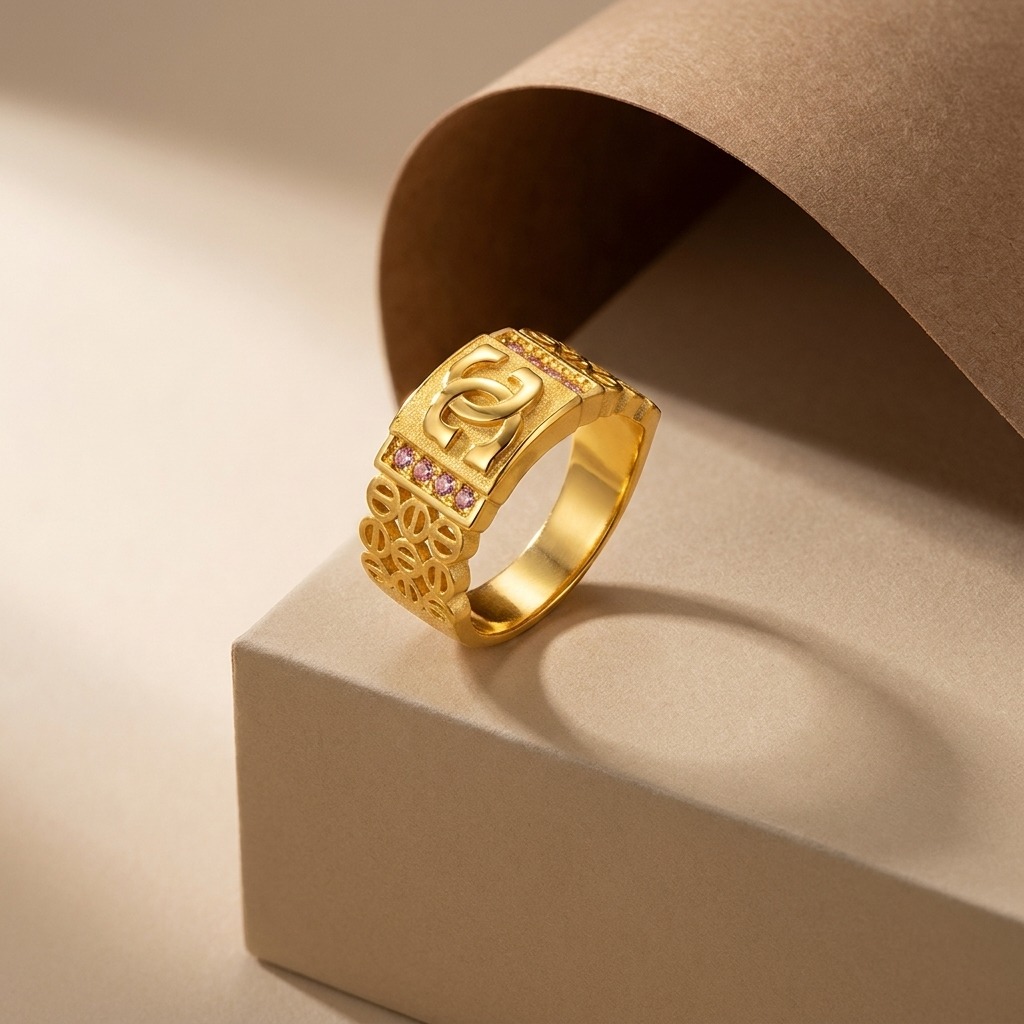
Comparing 1 Don and 3 Don Pure Gold Necklaces and Rings: Volume and Wearability
When choosing pure gold jewelry for the first time, the most common hesitation lies in the palpable difference in volume and wearability between 1 don and 3 don. Even within the same design, tripling the weight does not merely add gold; it fundamentally alters the surface contact against the finger or neckline, as well as the piece's structural resilience.
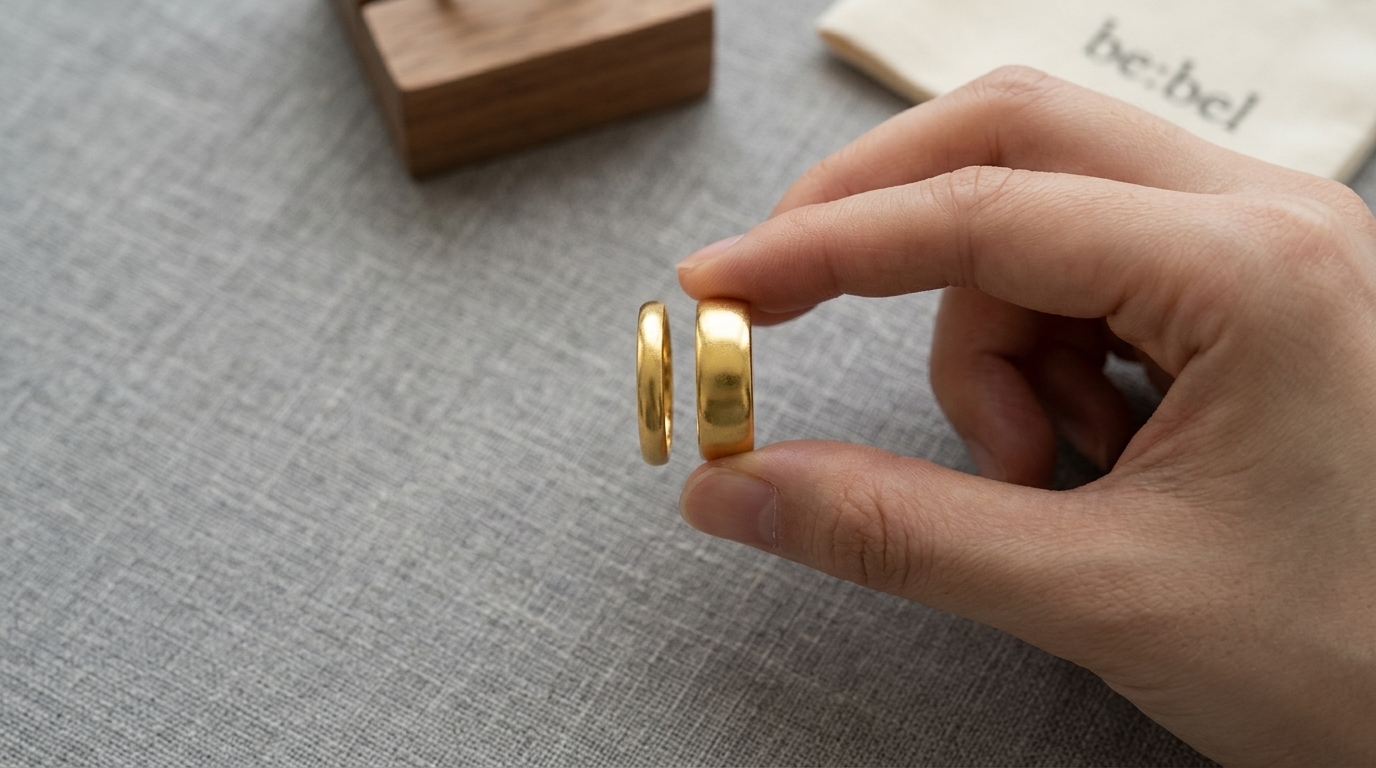
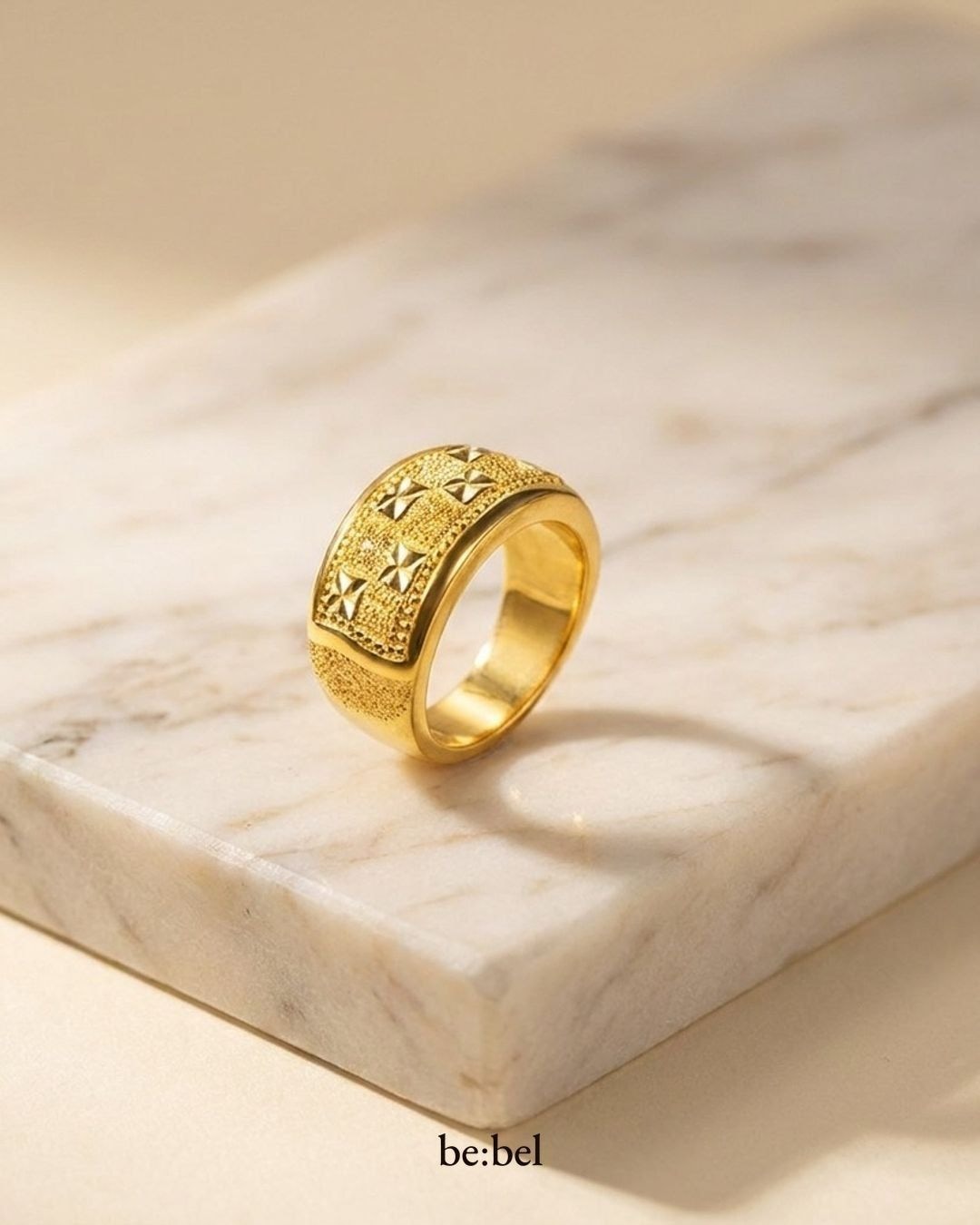
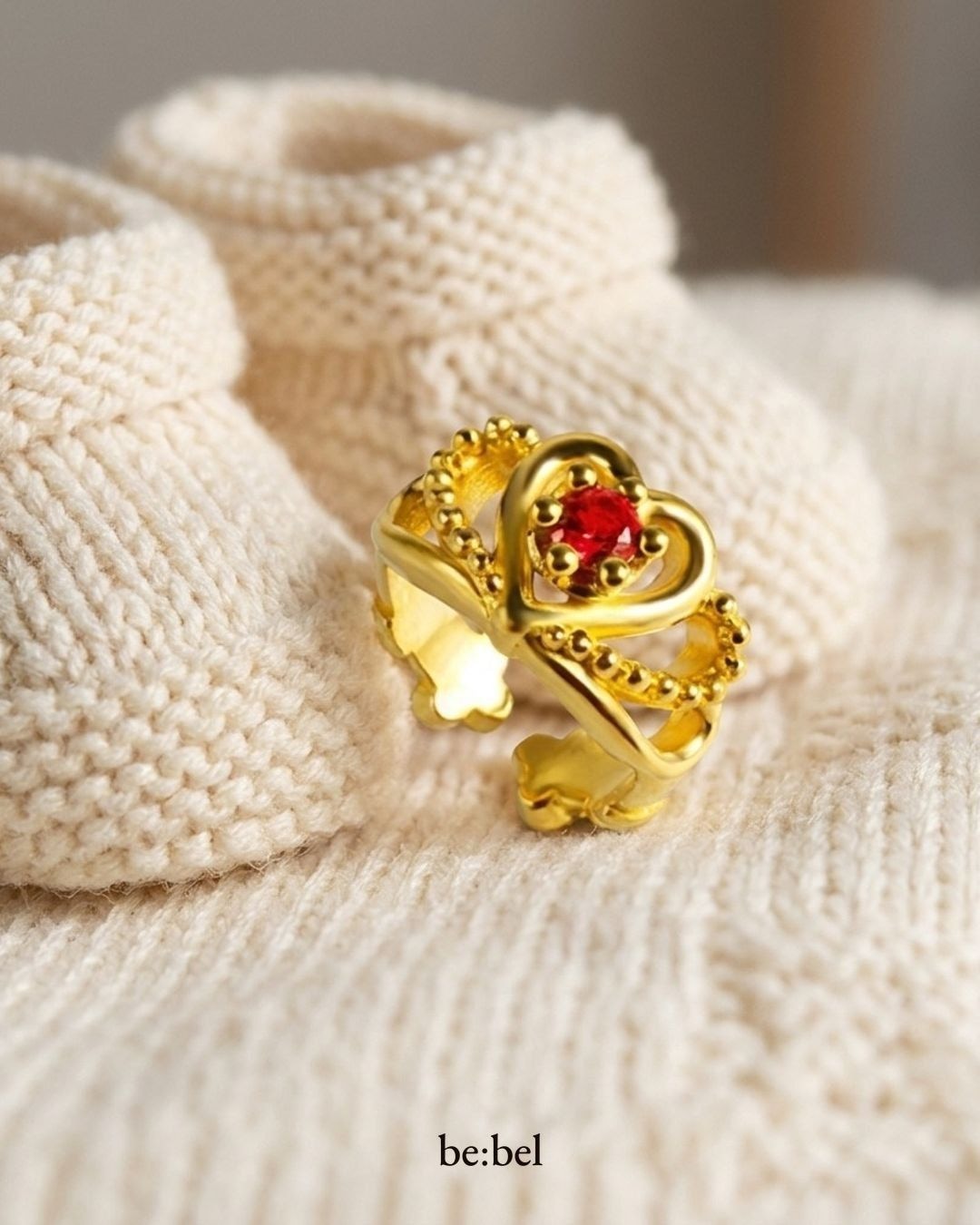
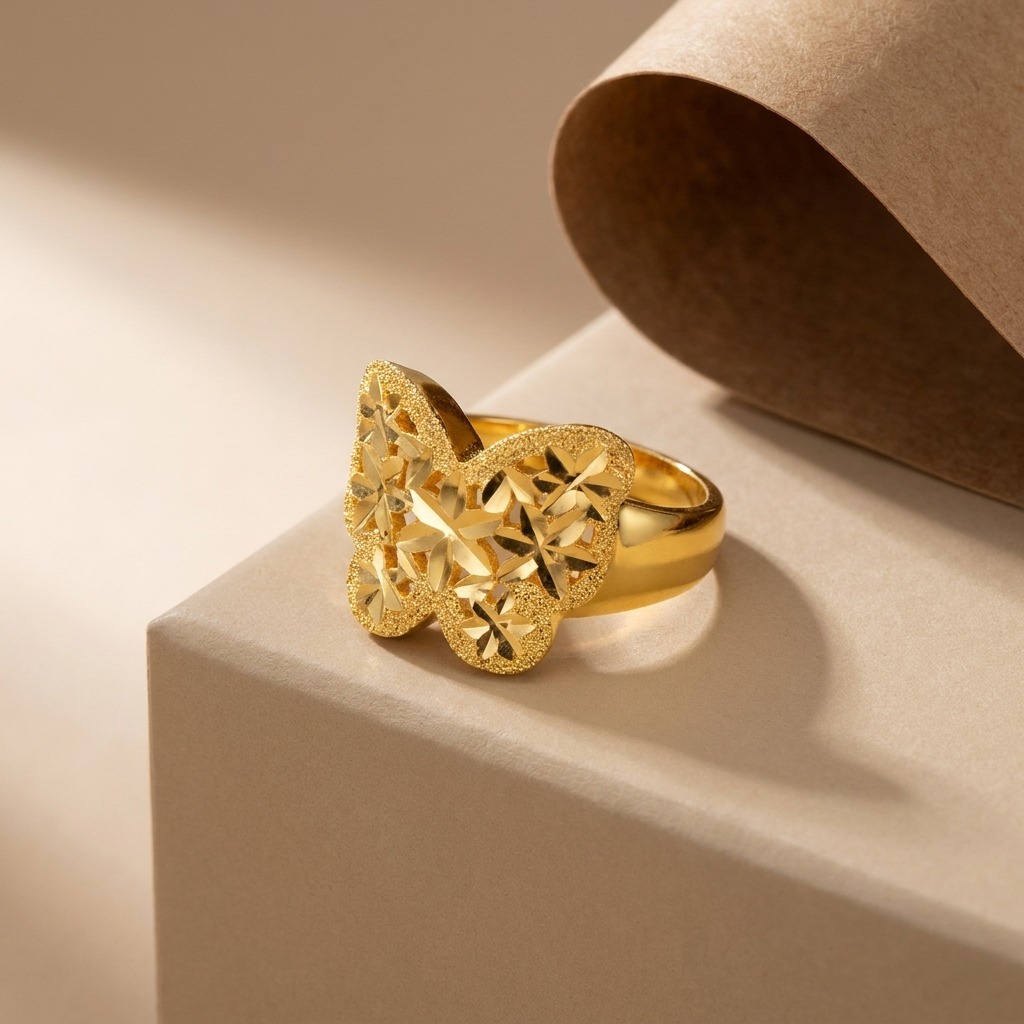
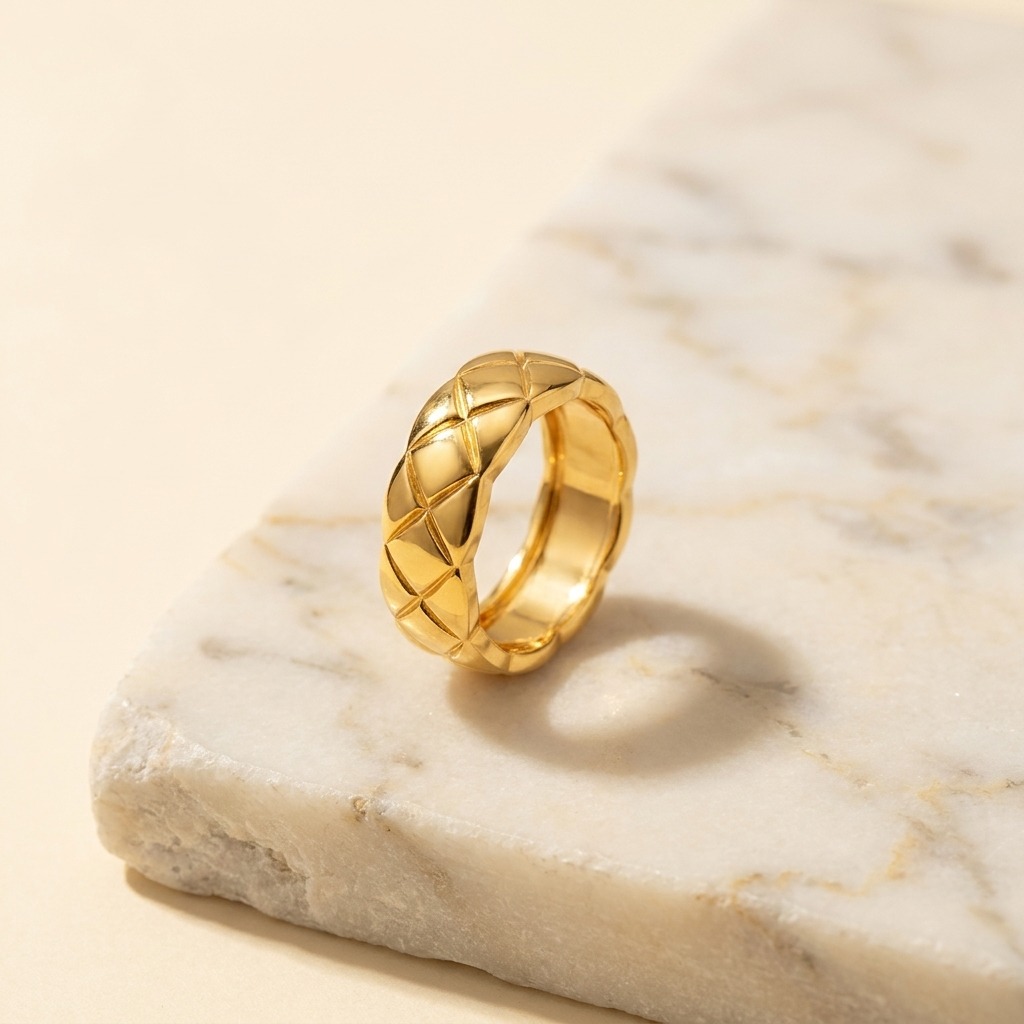
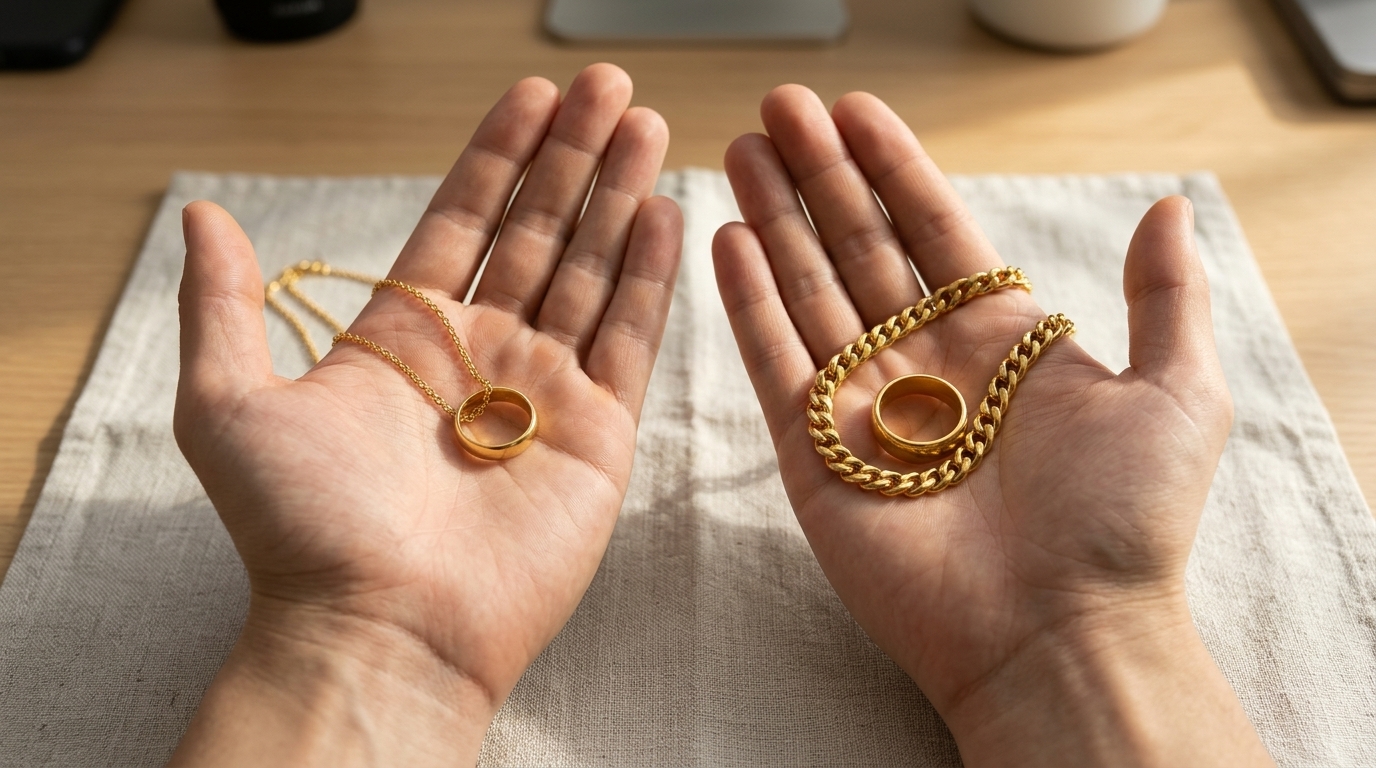
Placed side by side, the difference in profile thickness and band width between the 1 don and 3 don rings clearly reveals the true substance of the weight.
Pure gold possesses a remarkably high density compared to other precious metals, condensing significant weight into a compact volume. While resting heavy in the palm, if it is rolled too thin or widened excessively without an exact understanding of its physical properties, it can easily lose its shape.
Due to the high density of pure gold, forcing a wider surface area for a 1 don piece thins the inner band touching the skin, leaving it vulnerable to deforming.
For a 1 don (3.75 g) ring, keeping a graceful band width while filling the inner wall with reassuring thickness is ideal. Artificially expanding the surface for visual presence risks distorting the circular silhouette into an oval from everyday wear. At 3 don (11.25 g), however, the underlying gold framework becomes robust enough to accommodate a generous band width while retaining a substantial side profile.
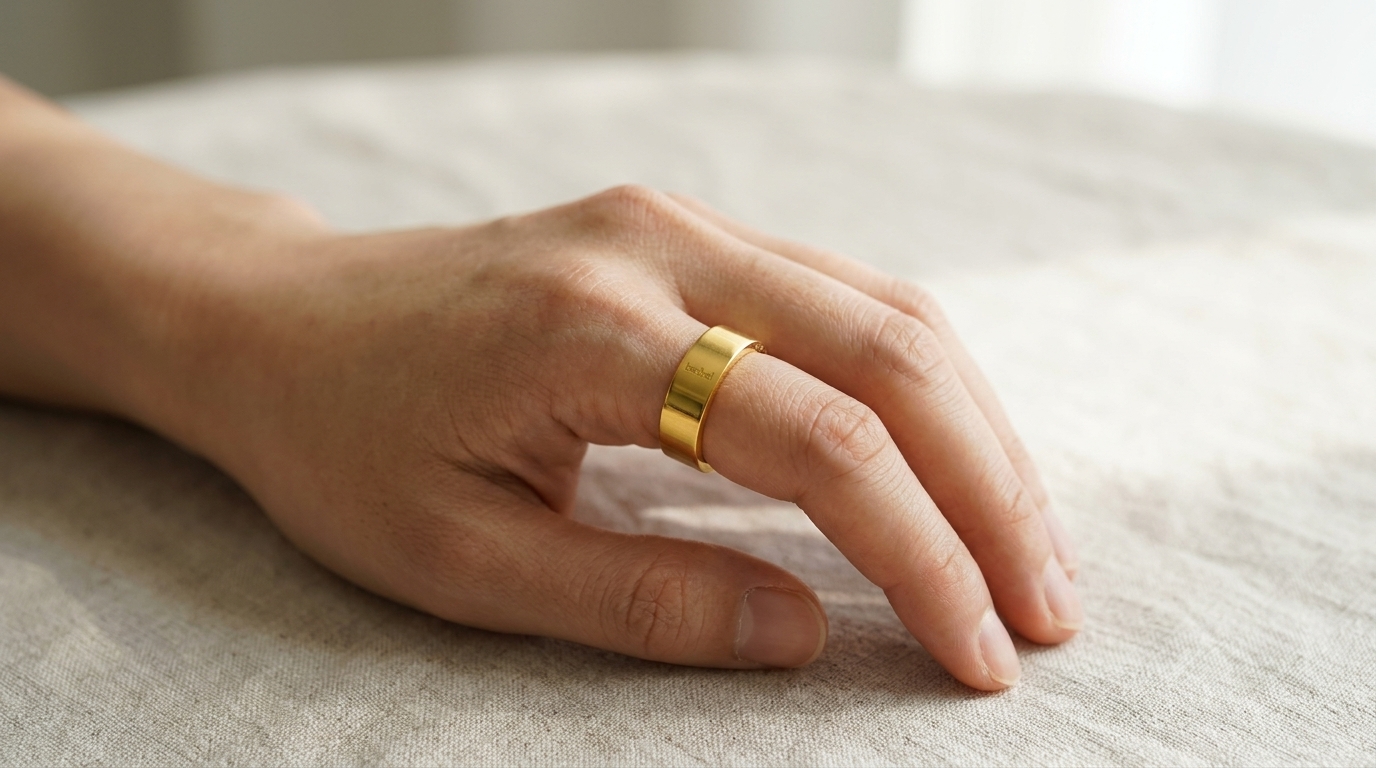
On the hand, a 1 don ring conforms lightly with every movement, while a 3 don ring conveys an unmistakable, anchoring presence wrapped securely around the knuckle.
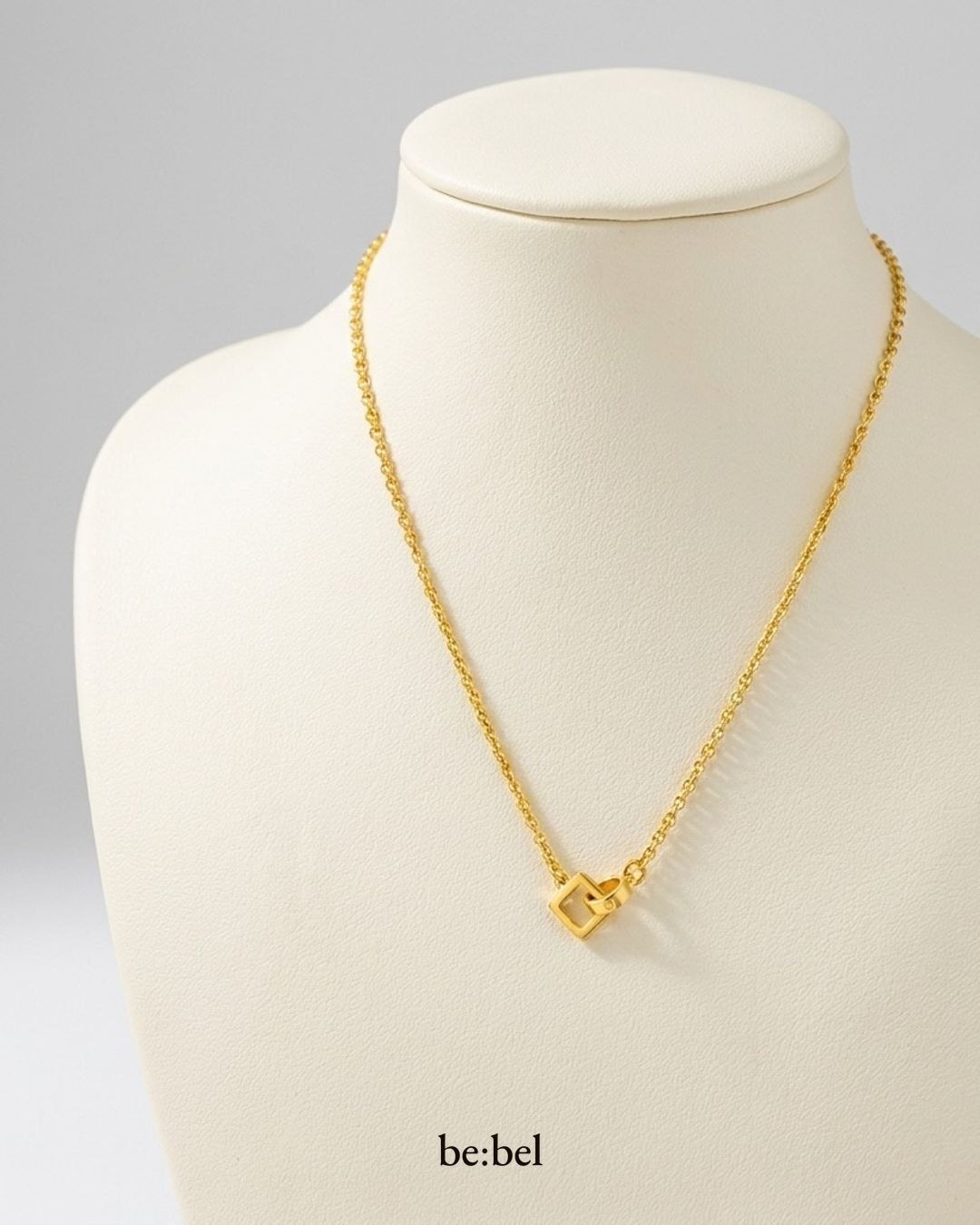
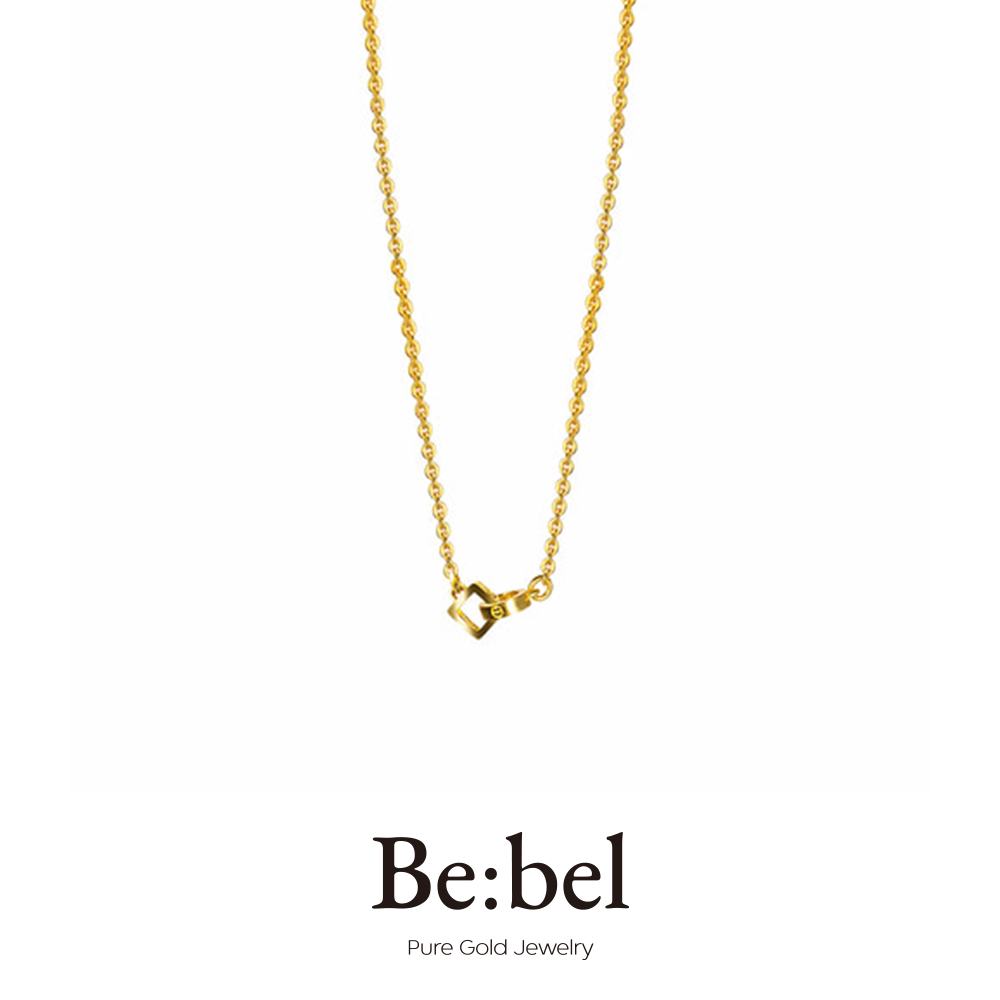
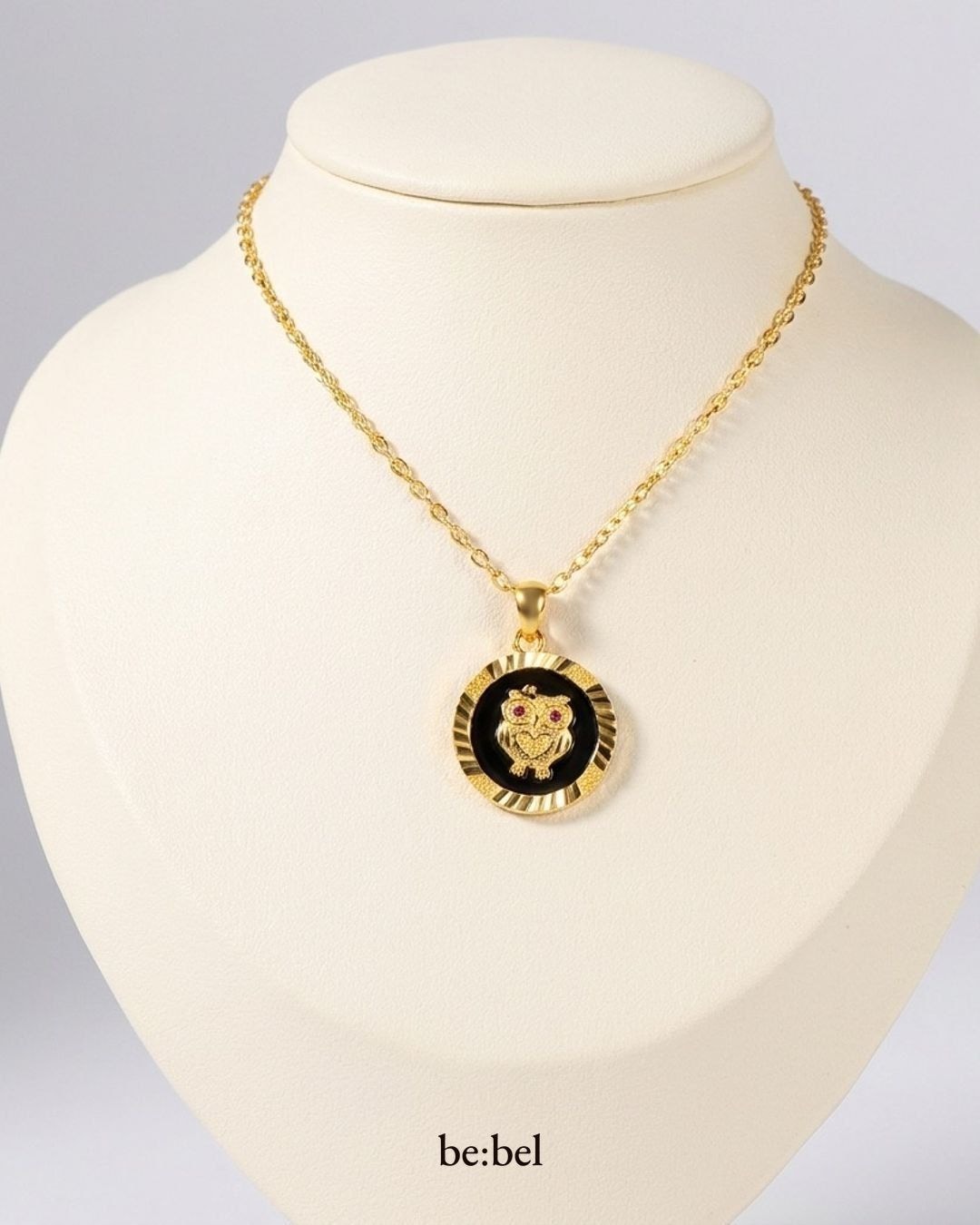
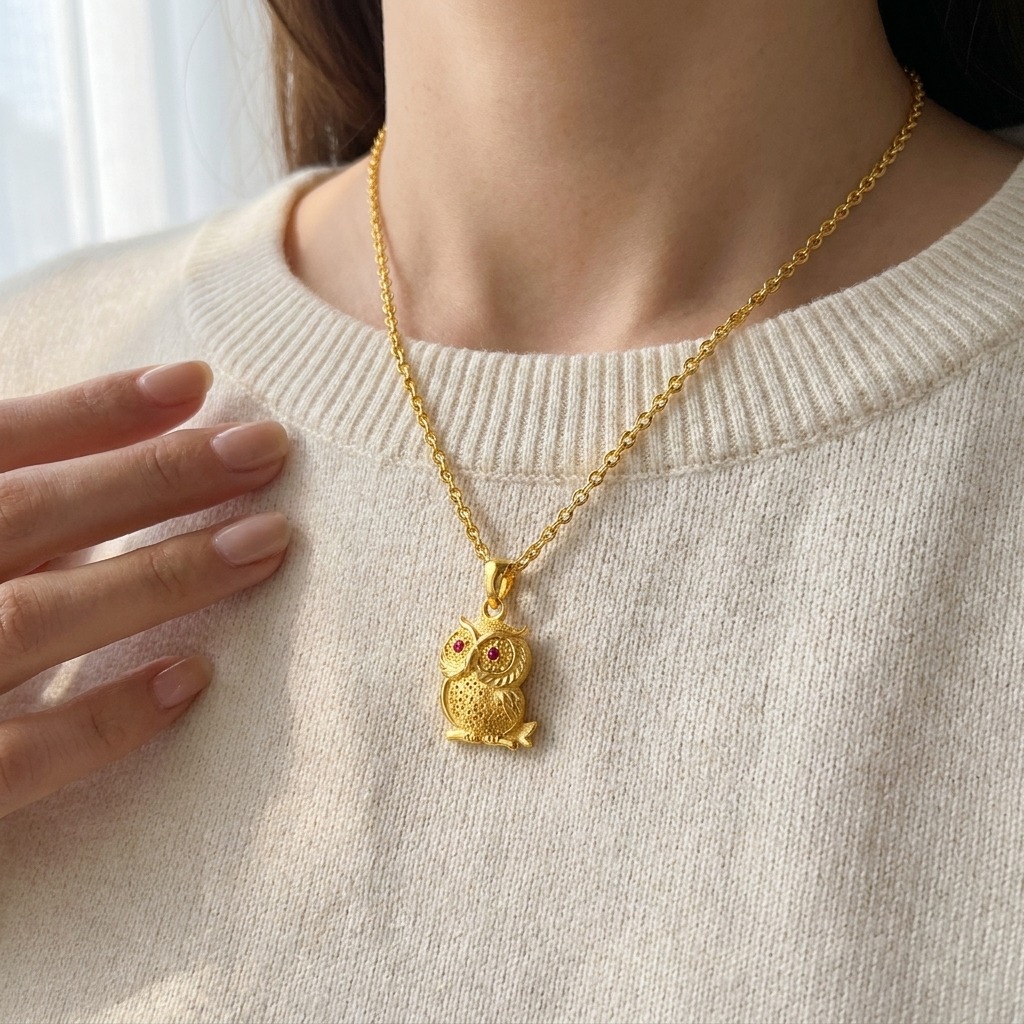
In necklaces, the distinction by weight is equally distinct. A 1 don chain rests along the collarbone like a delicate, continuous thread, pairing best with a small, subtly proportioned pendant for balanced harmony. Being fine and lightweight, it minimizes skin contact and rests effortlessly on the neck.
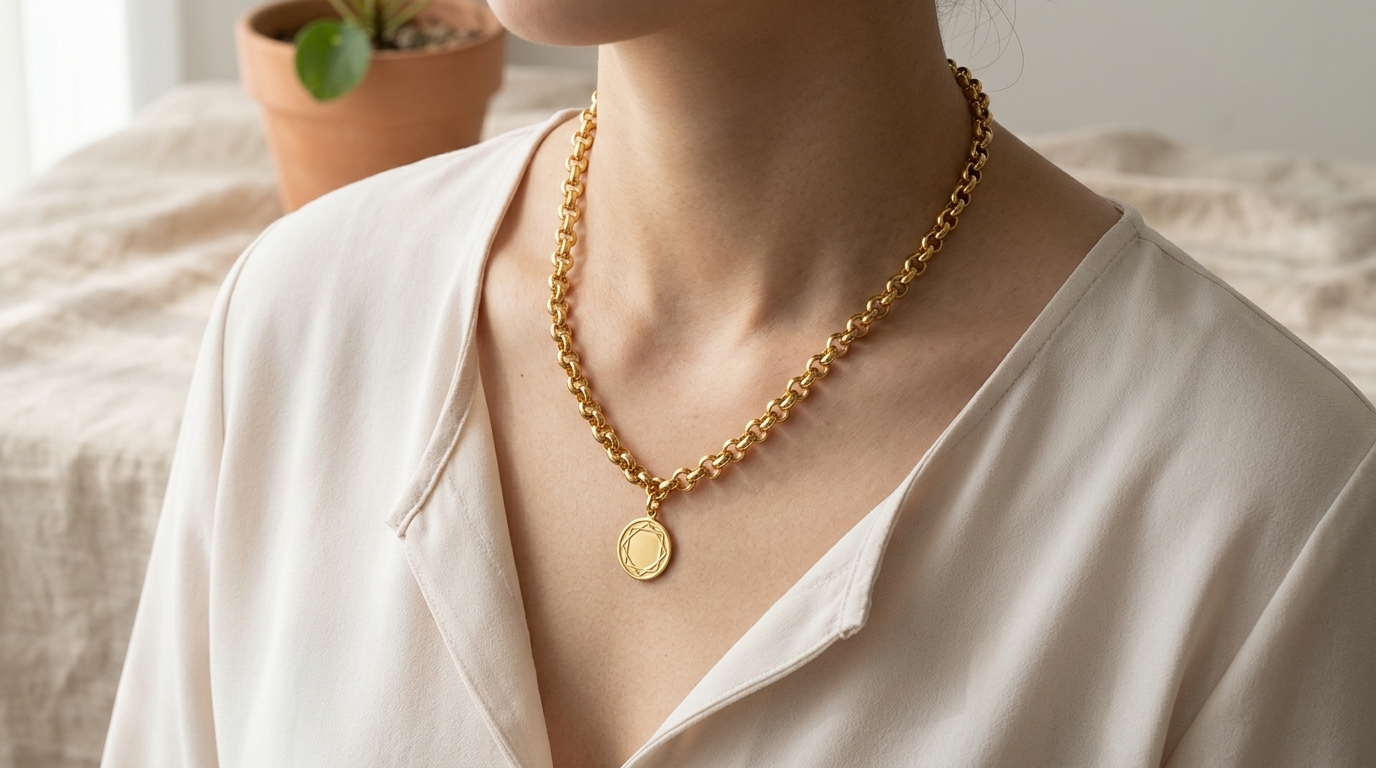
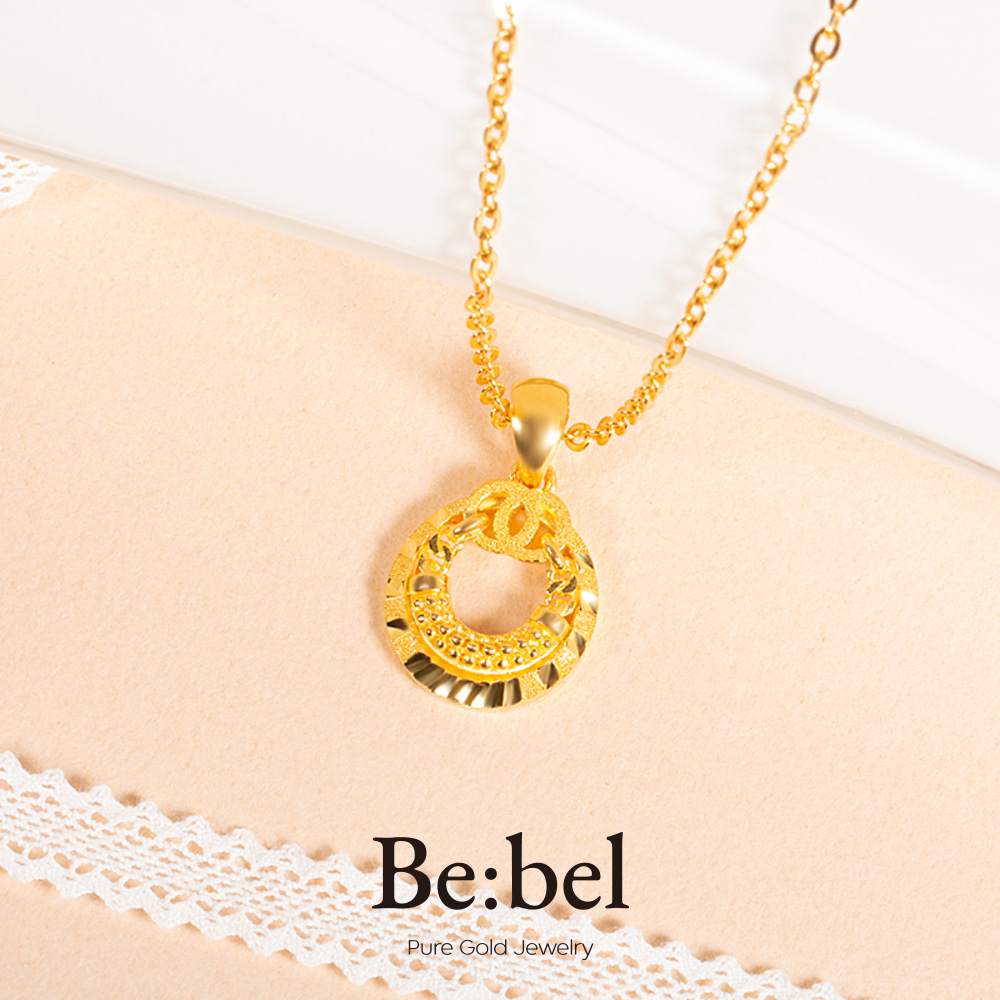
Draped along the neckline, a 3 don chain necklace exhibits a deeper golden glow and more defined links. A 3 don chain features thicker links and reinforced soldered joints, allowing it to support a slightly dimensional pendant without stretching, holding its graceful curve.
Where a 1 don chain offers a delicate whisper against the skin, a 3 don chain commands attention with its deep golden tone and distinct silhouette.
Another detail to observe when selecting pure gold jewelry is the stated purity. Fine jewelry in pure gold is crafted at 995 (99.5%) purity, whereas dol rings are made at 999 (99.9%). The 99.99% four-nines standard typical of investment gold bars is not used in jewelry crafting. A dedicated purity standard is required to shape the soft metal into a defined silhouette while ensuring the resilience needed for daily wear.
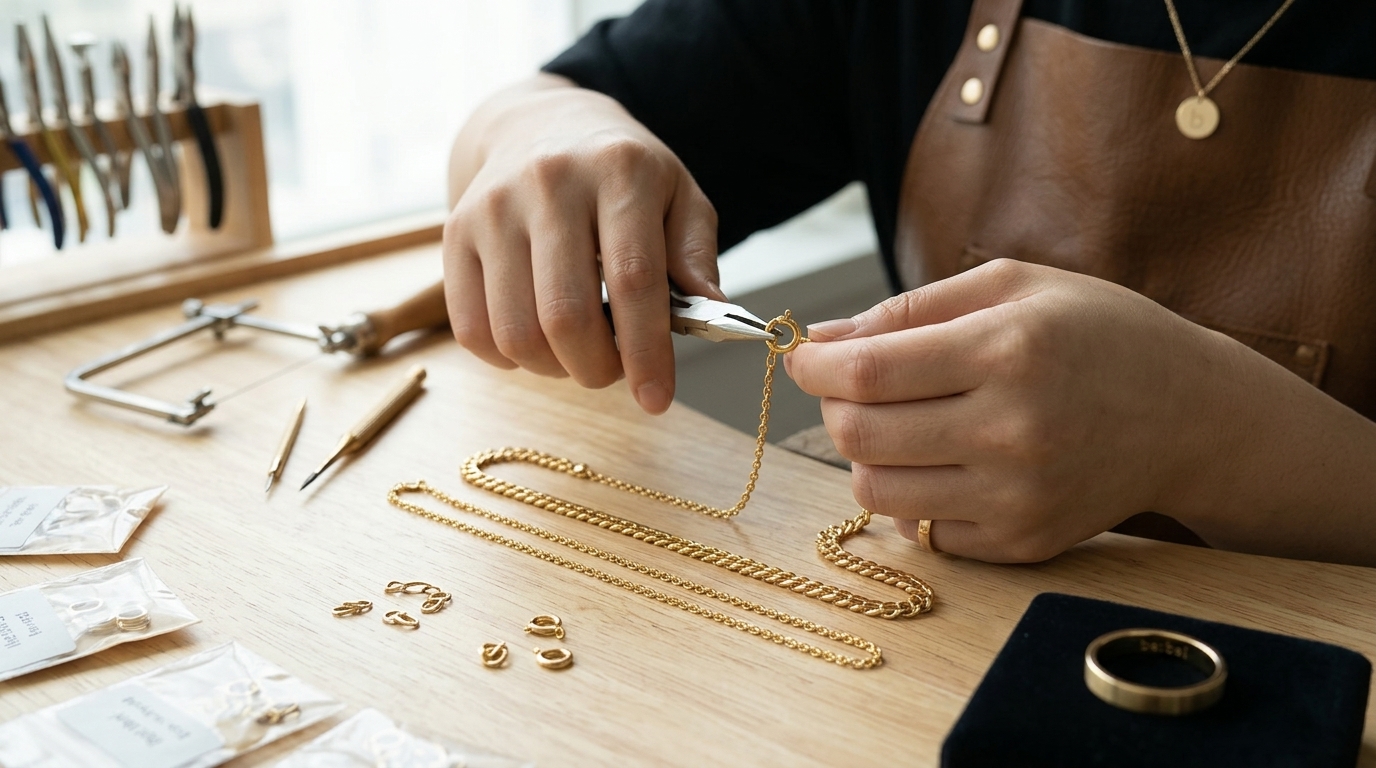
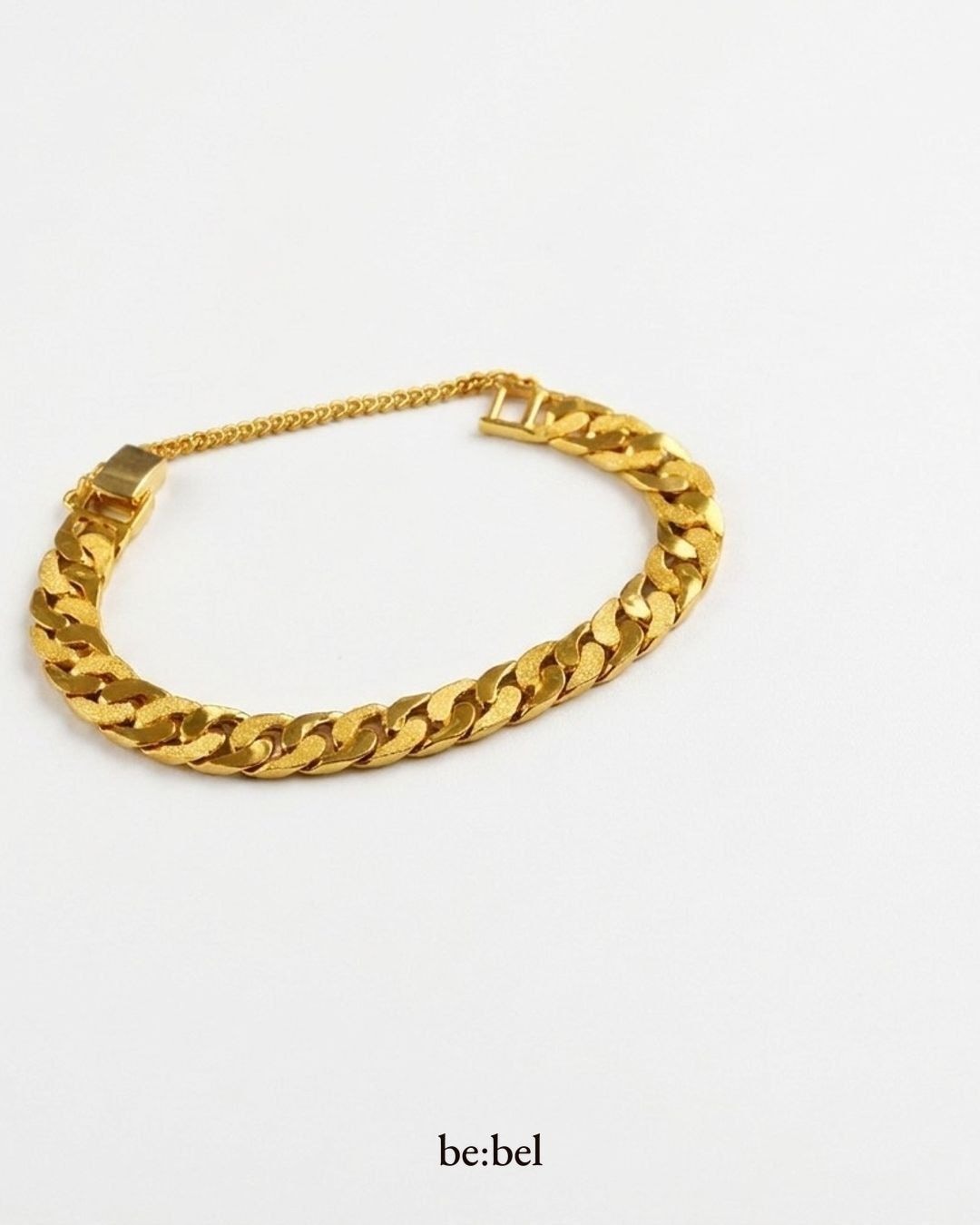
While rings and earrings do not require clasps, necklaces and bracelets undergo repeated opening and fastening, demanding structural reinforcement. Pure gold is inherently soft; a clasp made entirely of pure gold would loosen, bend, or break after only a few uses.
For this reason, the clasps on necklaces and bracelets are crafted securely in 18K gold. Crucially, the presence of an 18K clasp must never diminish the stated amount of pure gold. Because 18K contains 75% gold, the weight of the 18K clasp is added on top of the specified pure gold weight. This is why the total weight on the scale registers slightly higher than the stated pure gold weight.
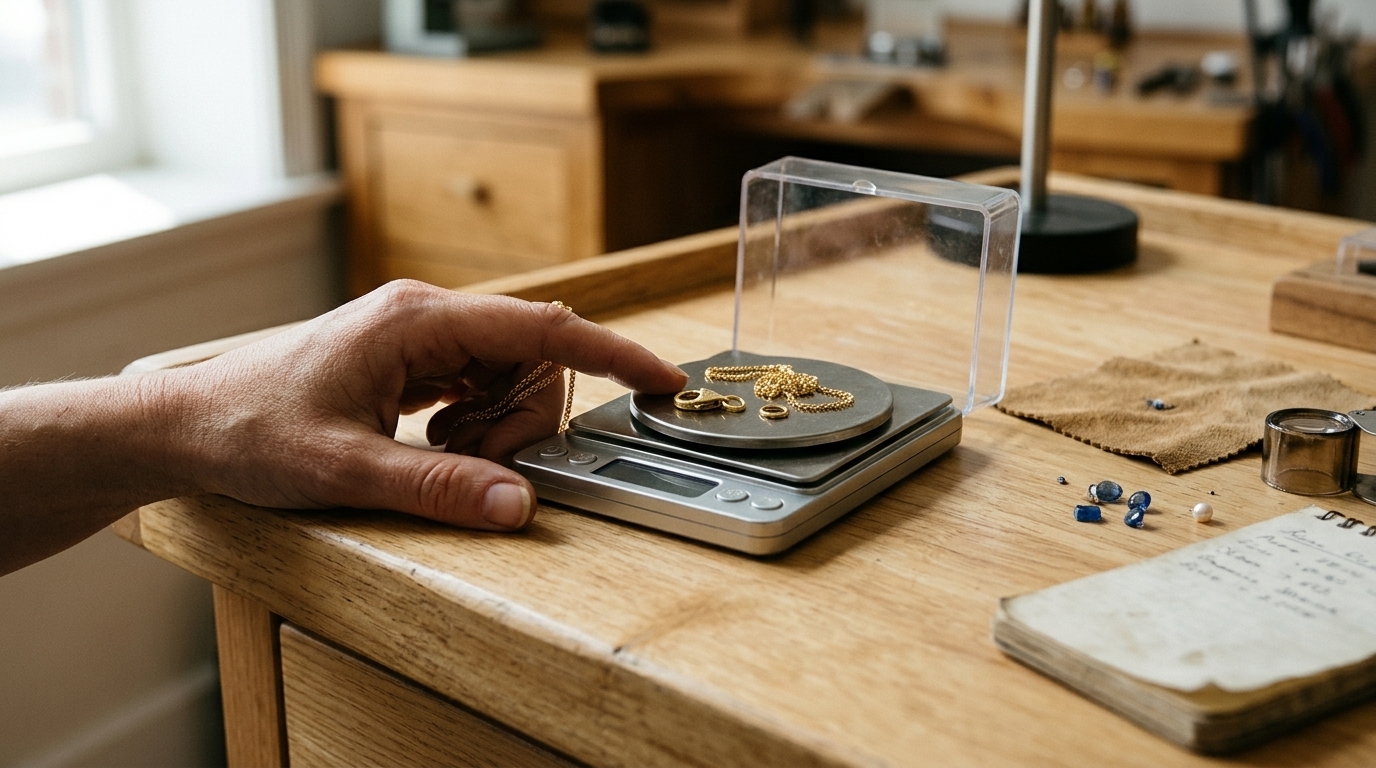
The reading on the scale transparently confirms that the 18K clasp weight has been fully added on top of the designated pure gold weight.
When considering the price of pure gold, tracking real-time gold rates is essential. As daily gold prices fluctuate (as of 2026/11), one should verify that the jewelry's retail price is honestly linked to the gold price at the time the order is confirmed. However, the price of fine jewelry is not determined by a simple calculation of raw gold weight plus a crafting fee.
Pure gold is a metal so malleable that it can yield under the pressure of a hand. Maintaining an uncompromised design proportion while flawlessly meeting the specified weight—even as ring sizes increase or chain lengths extend—requires the seasoned mastery of veteran craftsmen. Overcoming the inherent softness of the metal to ensure enduring beauty in daily wear, each piece is brought to completion with disciplined atelier standards and meticulous care.
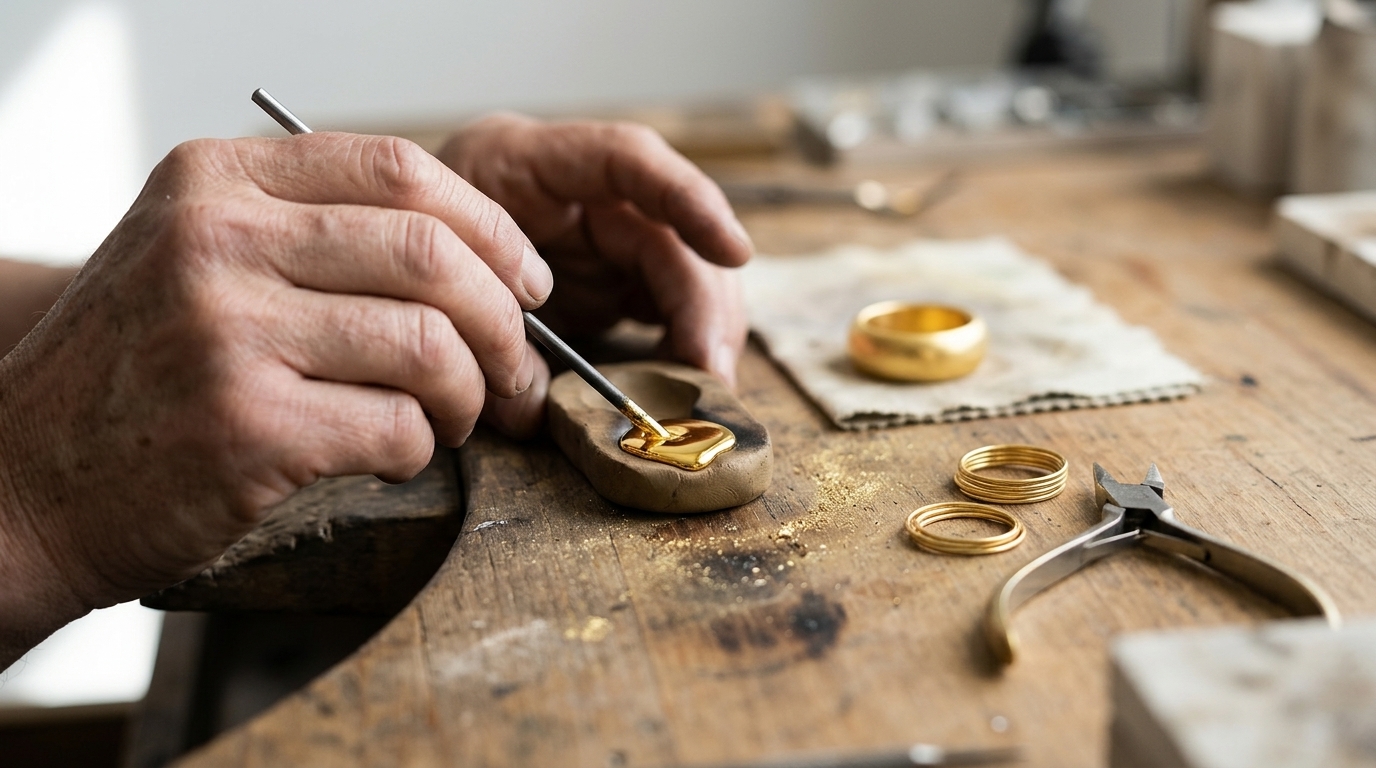
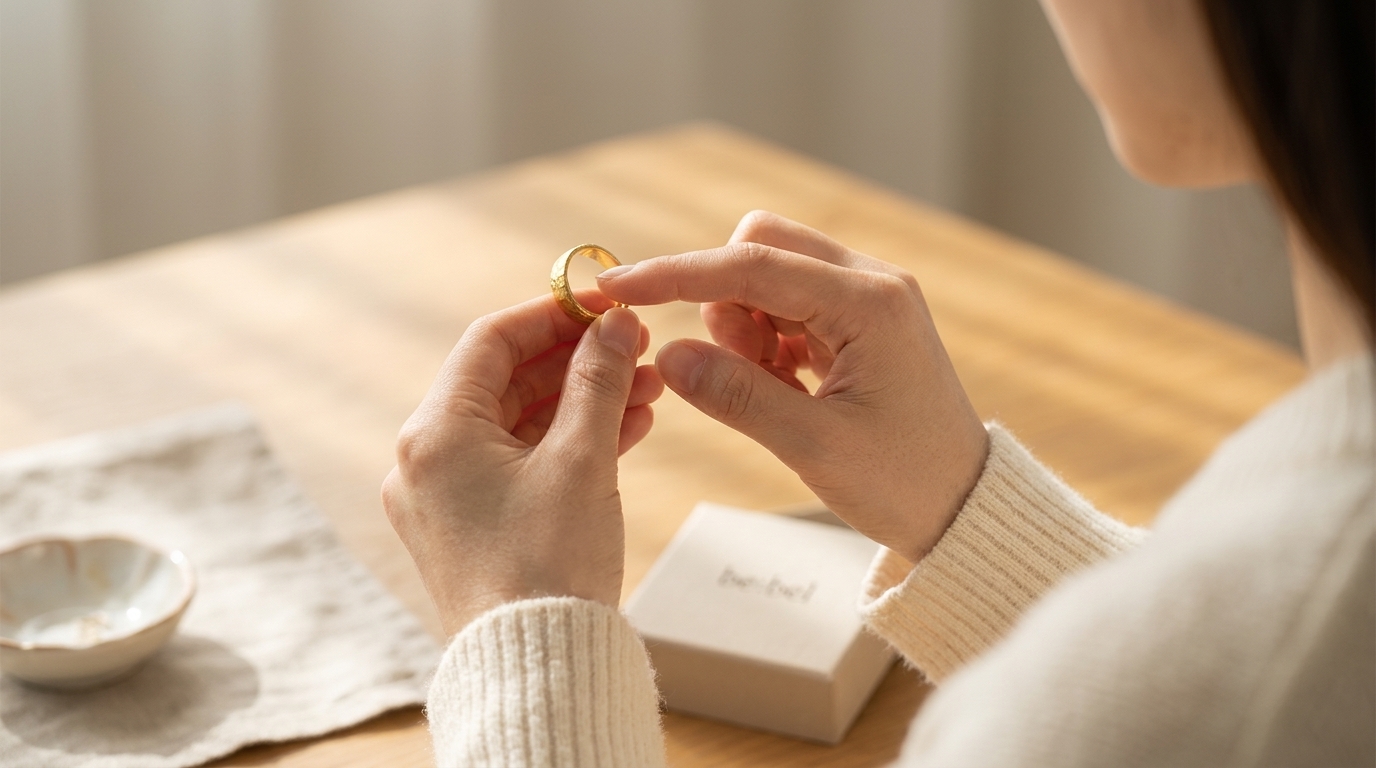
The contours of a pure gold ring, finely shaped by the artisan's hand, are the defining step that ensures uniform thickness and effortless comfort.
be:bel faithfully upholds stated purity and weight, creating pure gold jewelry where design and comfort harmonize through artisan hands. We deliver refined finishing and enduring proportions so that the timeless value of gold may be enjoyed effortlessly every day. Furthermore, pieces from be:bel are bought back at the highest prevailing rate for their weight without deducting assay fees, upholding our commitment to integrity.
If you wish to experience the reassuring weight and smooth luster firsthand, discover the difference of weights tailored to your hand through be:bel's pure gold jewelry collection, crafted with honest weight and enduring form.
Pure Gold Maison be:bel · Editor B
Frequently Asked Questions
How does the feel of a 1 don pure gold ring differ from that of a 3 don ring?
A 1 don ring sits lightly against the finger, adapting effortlessly to hand movement, whereas a 3 don ring provides a reassuring, solid weight that wraps firmly around the knuckle.
Why are clasps on pure gold necklaces crafted in 18K gold?
Because pure gold is soft and delicate, a pure gold clasp would wear down or warp easily. 18K gold offers the necessary hardness to ensure the clasp's long-term durability.
What is the standard purity of pure gold jewelry?
Pure gold fine jewelry is crafted at 99.5% purity, whereas dol rings are made at 99.9% purity.