Gold Price by 1 Don Weight, 995 Purity, and Jewelry Value: 3 Key Points
A comprehensive guide on this topic — Pure Gold vs. 18K vs. 14K: A Complete Guide
When you check the daily posted gold price each morning and look for jewelry, you quickly notice a noticeable difference between the numbers on the screen and the actual price of a finished piece. This is because raw gold as a simple commodity and jewelry worn against the skin follow completely different processes and standards of creation.
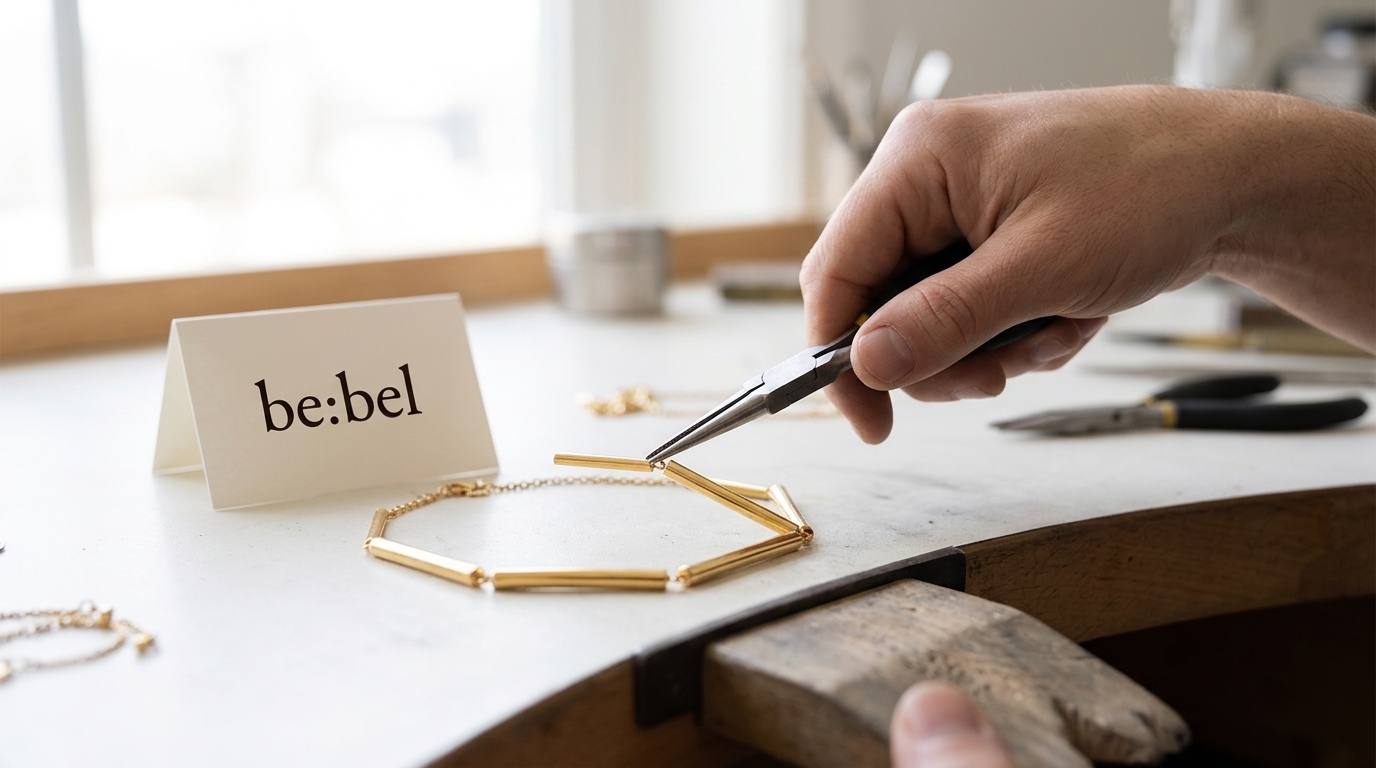
Unless your sole goal is to own a specific number of grams of gold, it is difficult to measure the true value of jewelry based solely on the figures on a gold price chart. Jewelry worn every day is not merely a solid block cast into fixed standard dimensions; it belongs to the realm of fine craftsmanship, where shapes are sculpted and lines are refined to achieve effortless comfort.
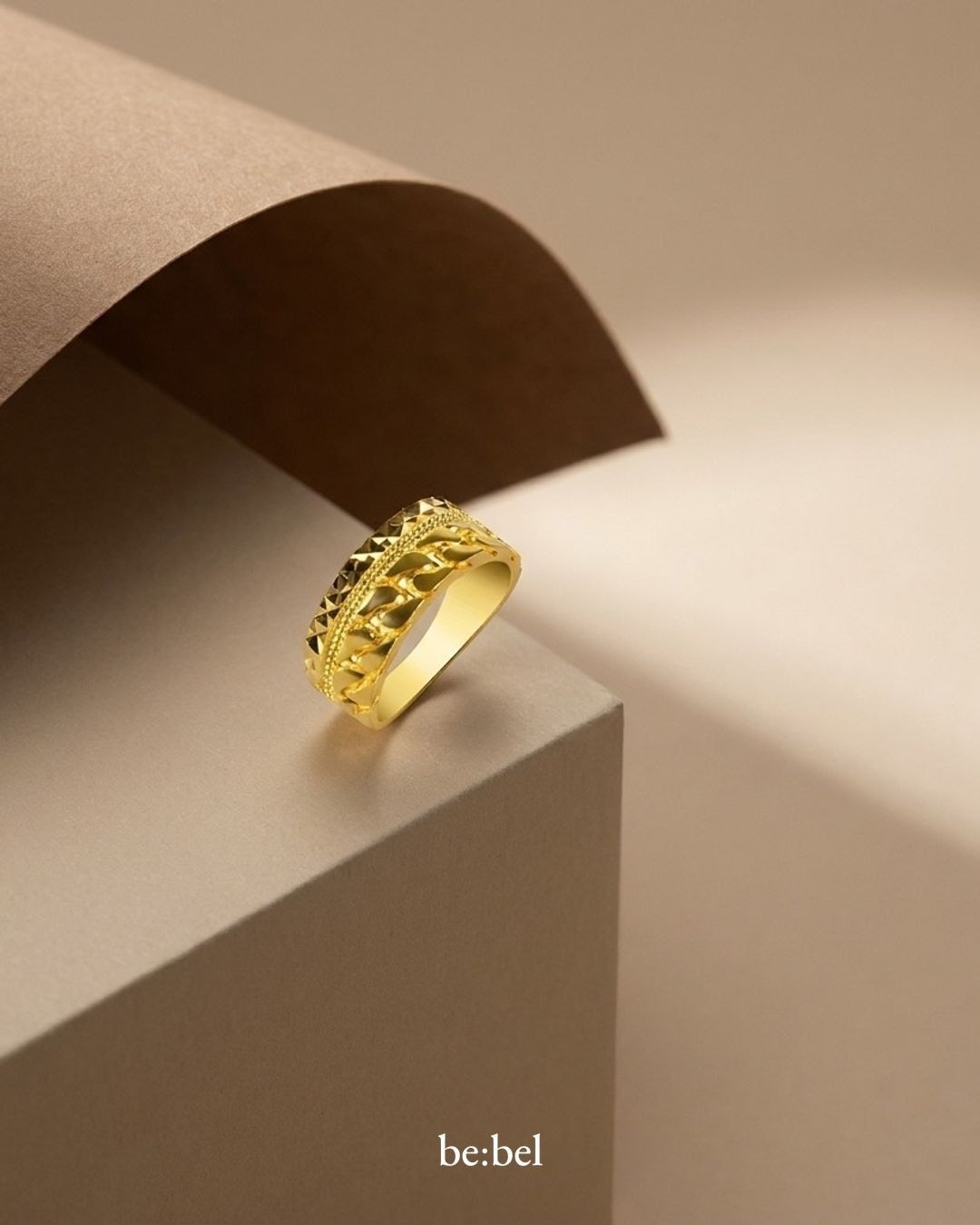
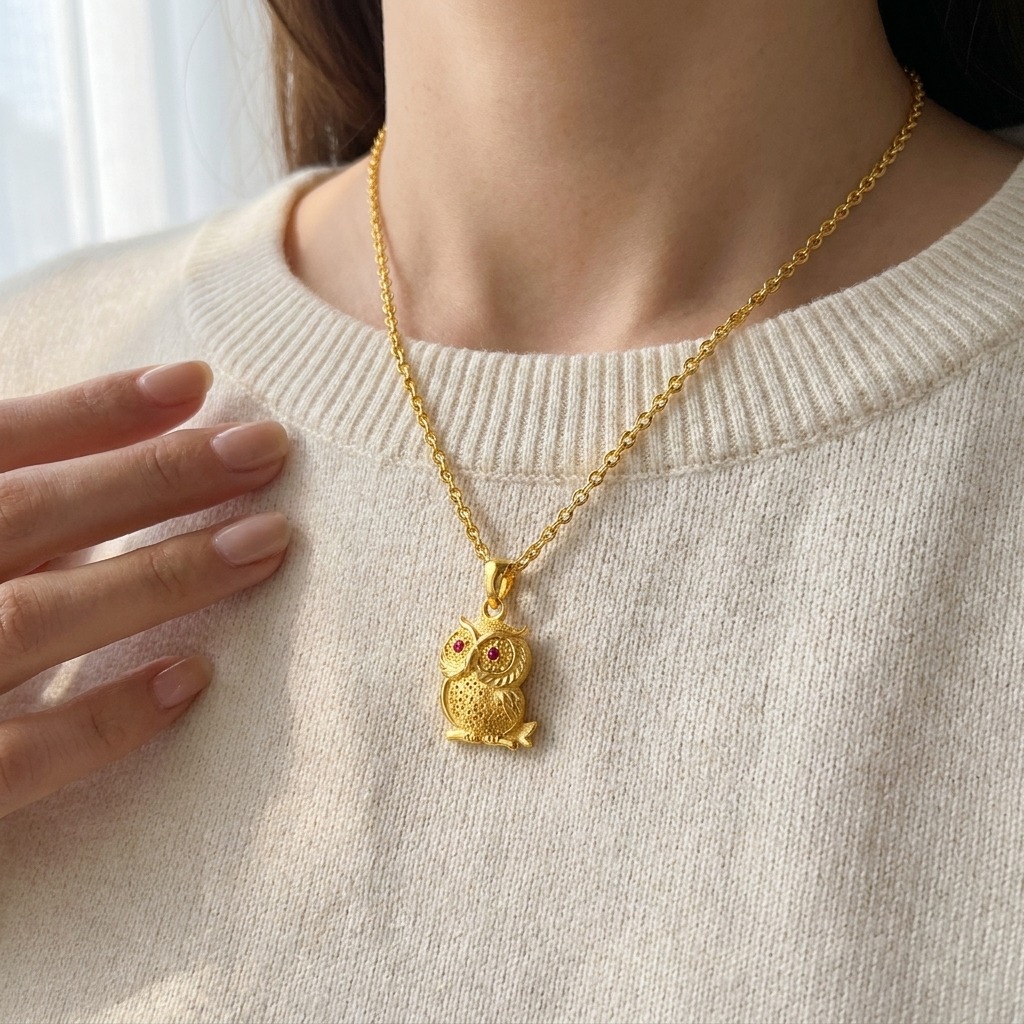
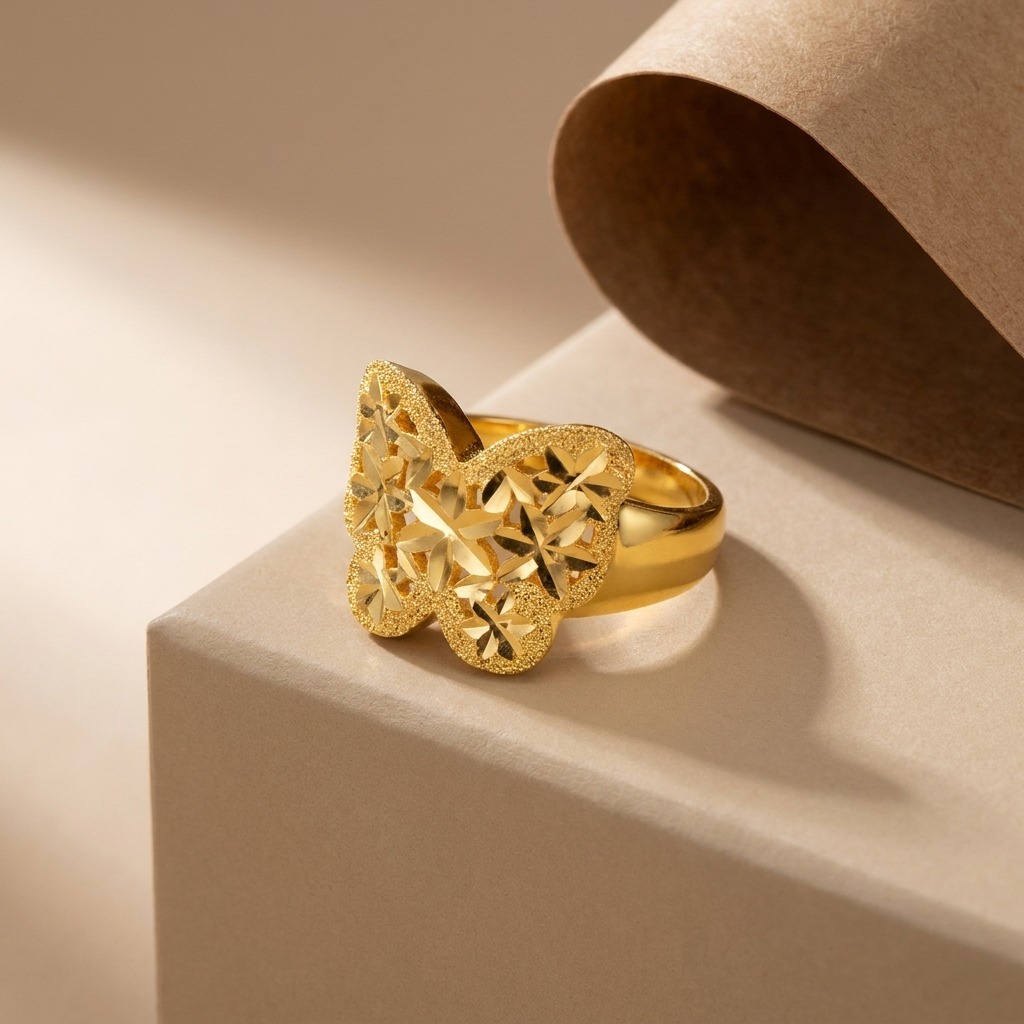
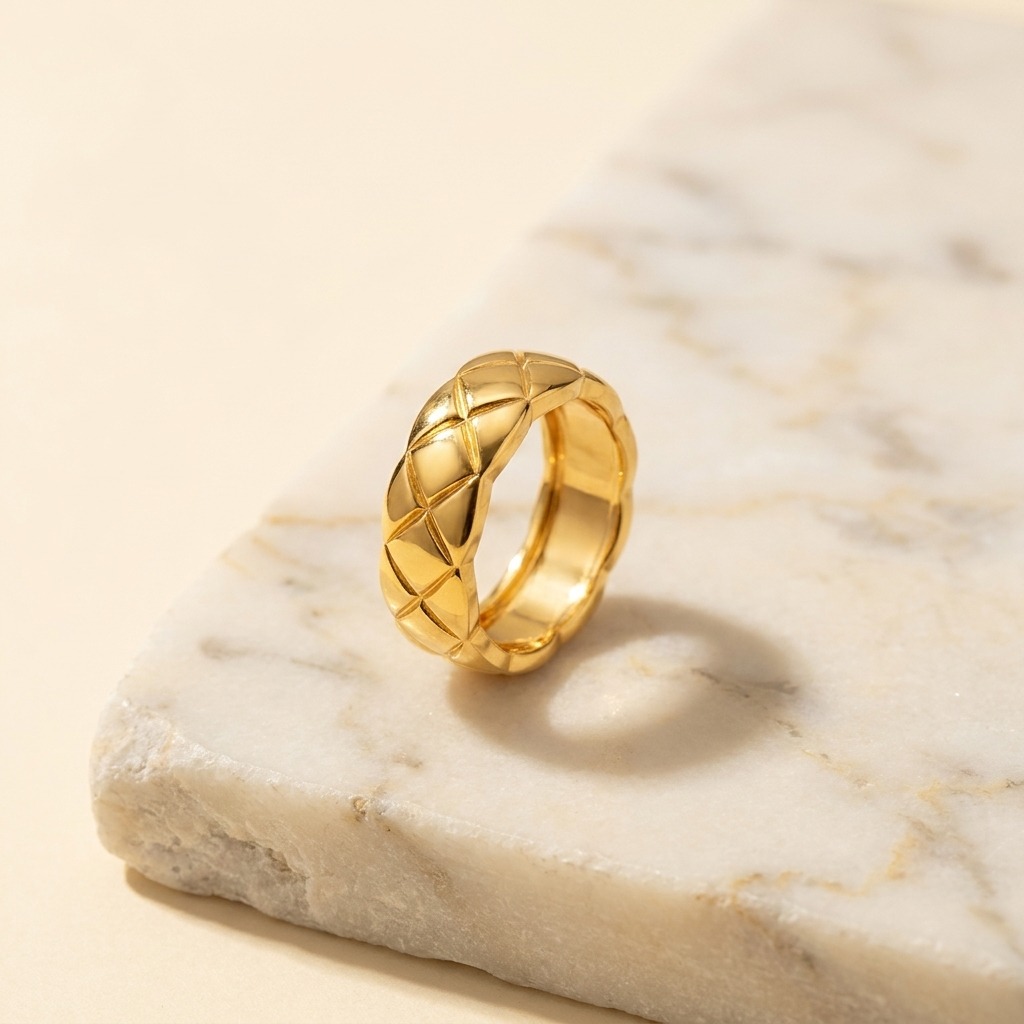
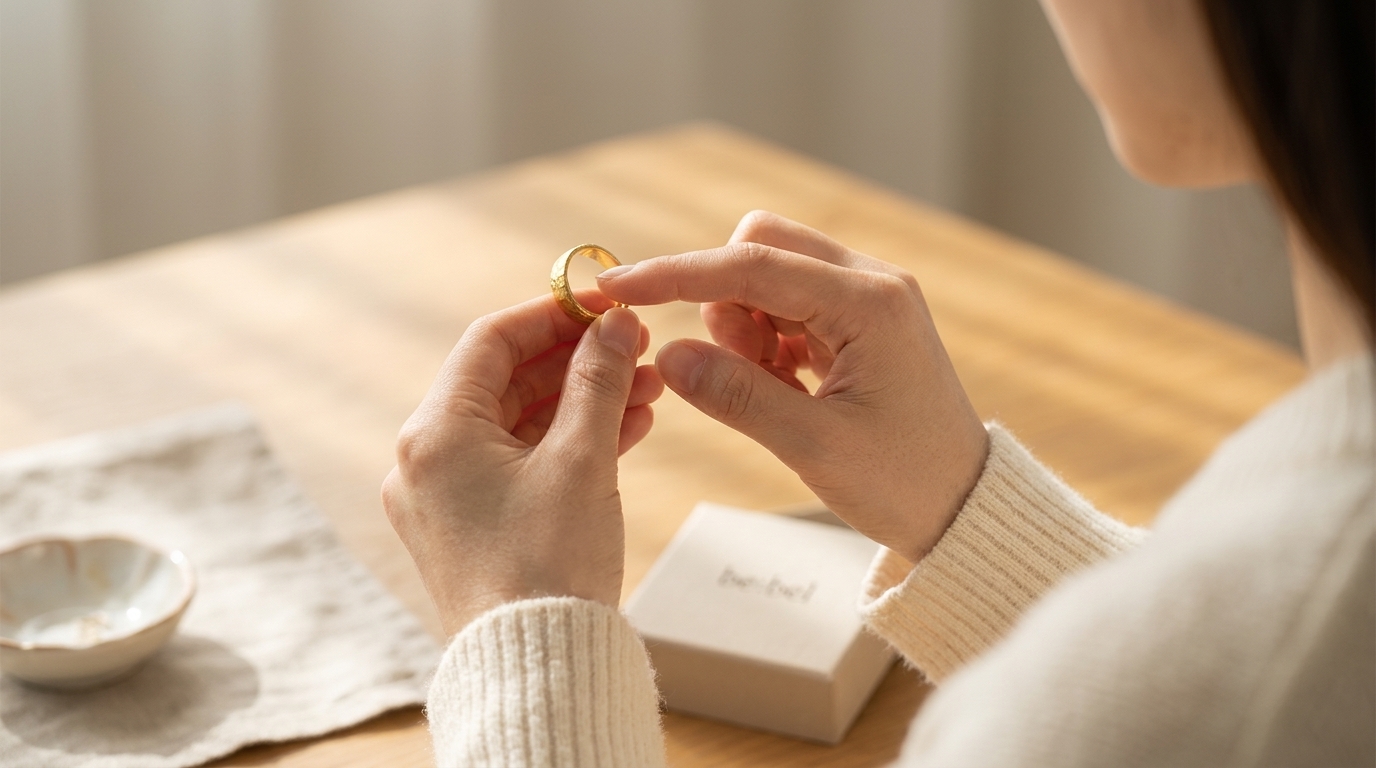
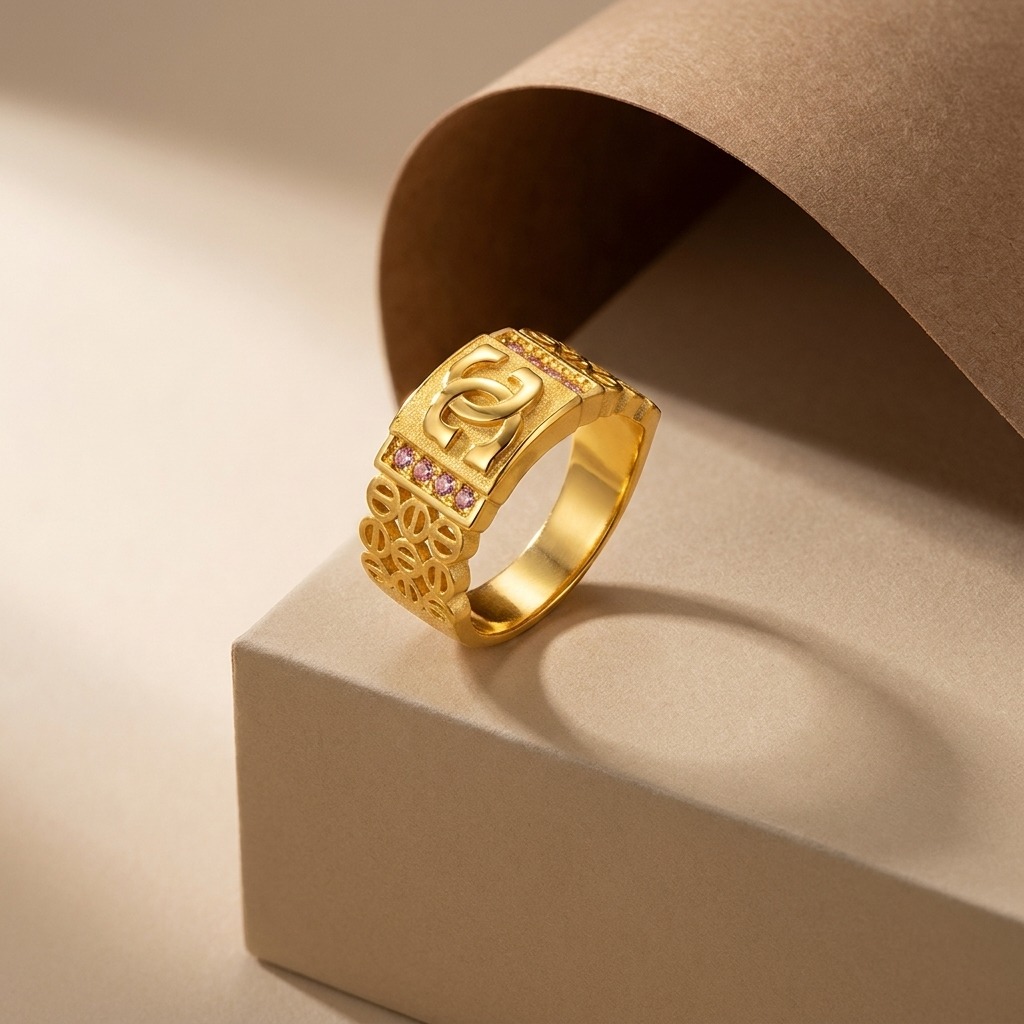
Pure gold jewelry is not defined by the numbers on a gold price ticker alone, but is brought to life in a tangible form that shines in everyday life.
The gold price fluctuates daily. As of November 2026, the benchmark price for 1 don (3.75 g) of pure gold announced in the market often varies depending on trading terms and form. However, when evaluating finished jewelry, you must look beyond raw material prices to ensure precise weight, certified purity, and meticulous craftsmanship throughout the crafting process.
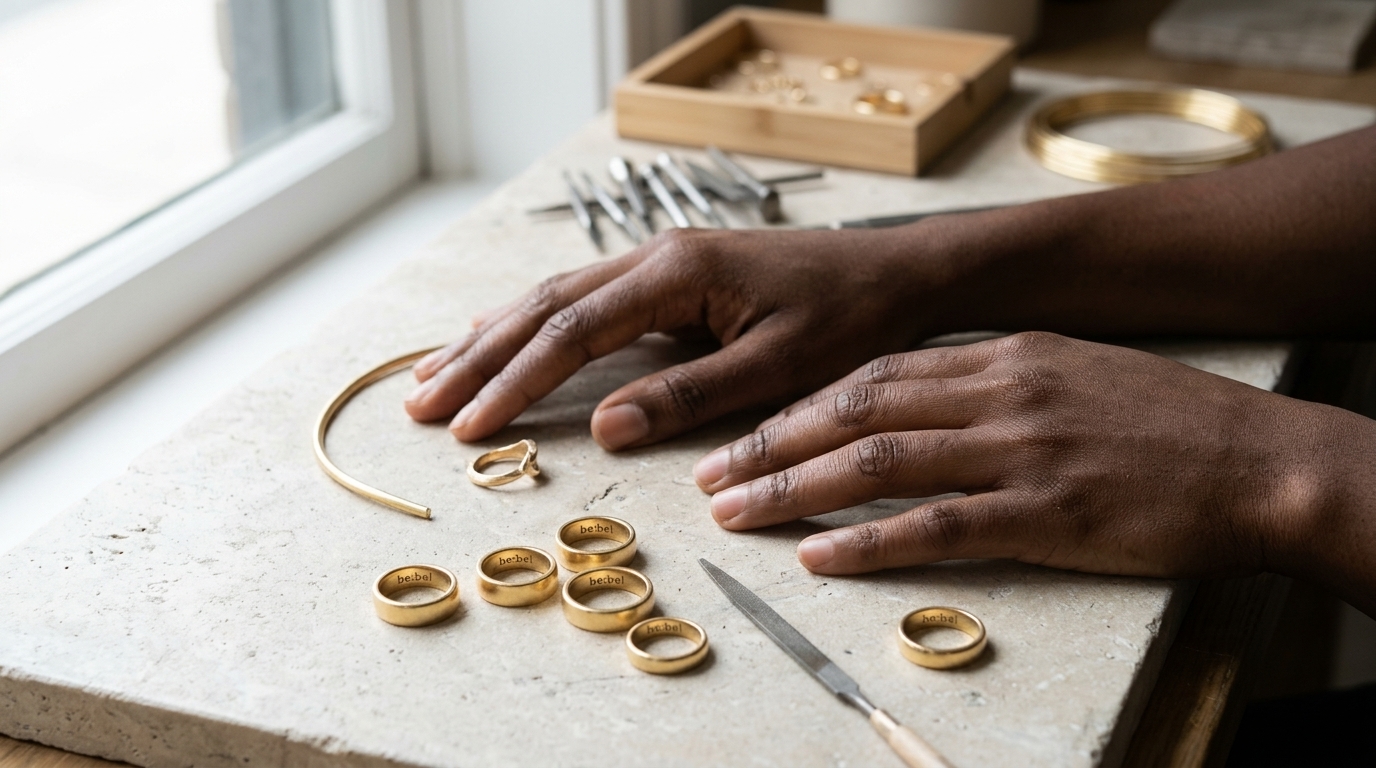
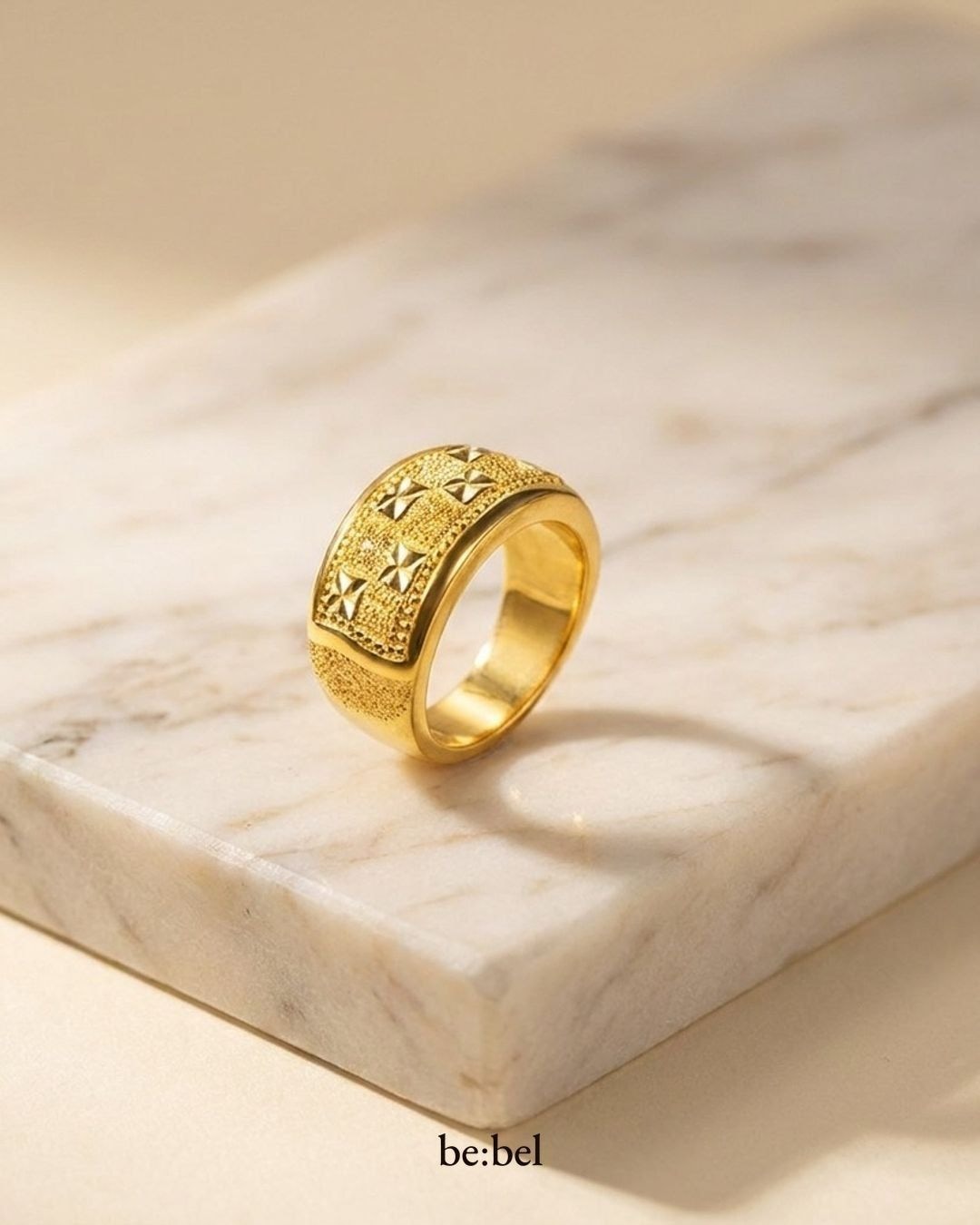
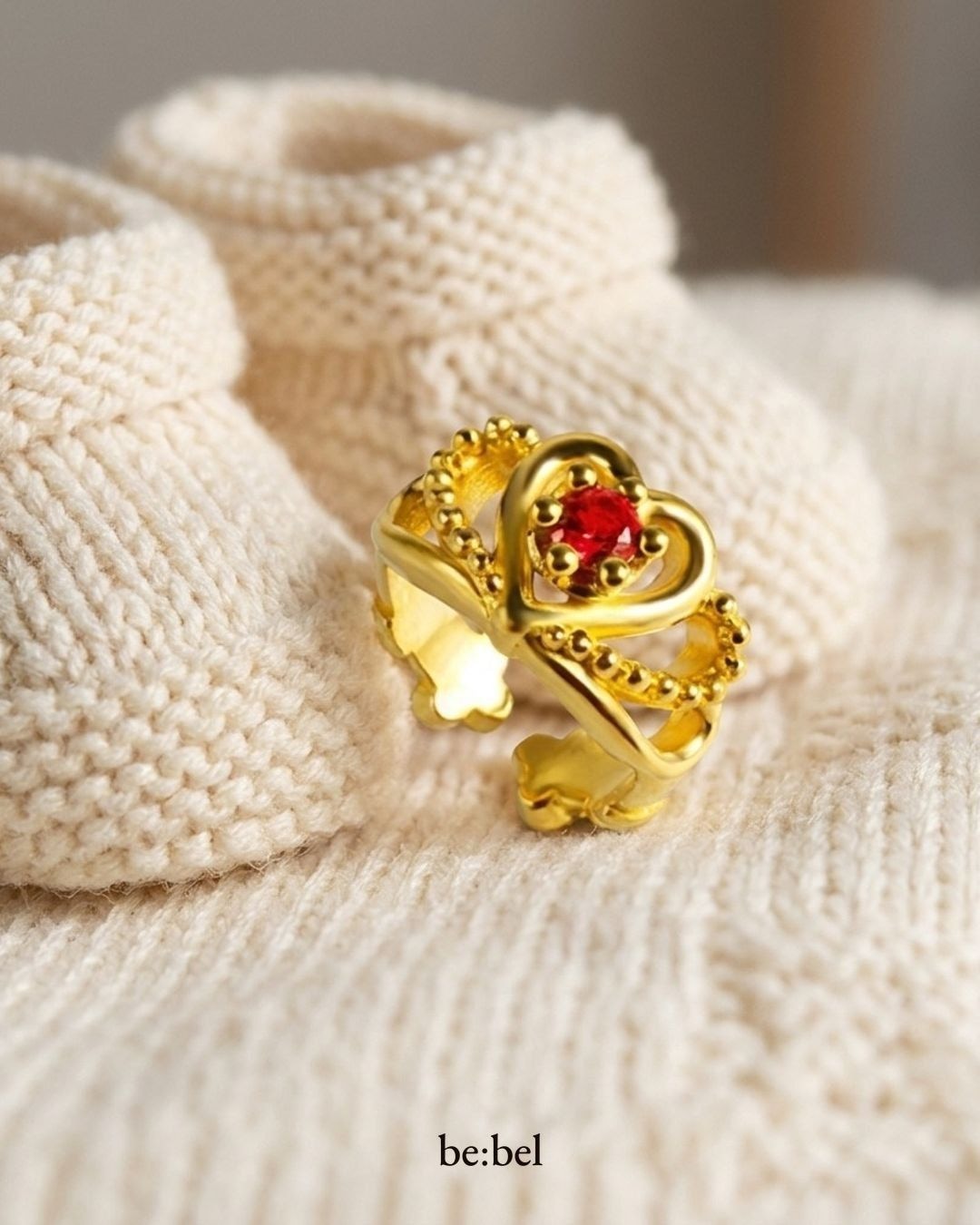
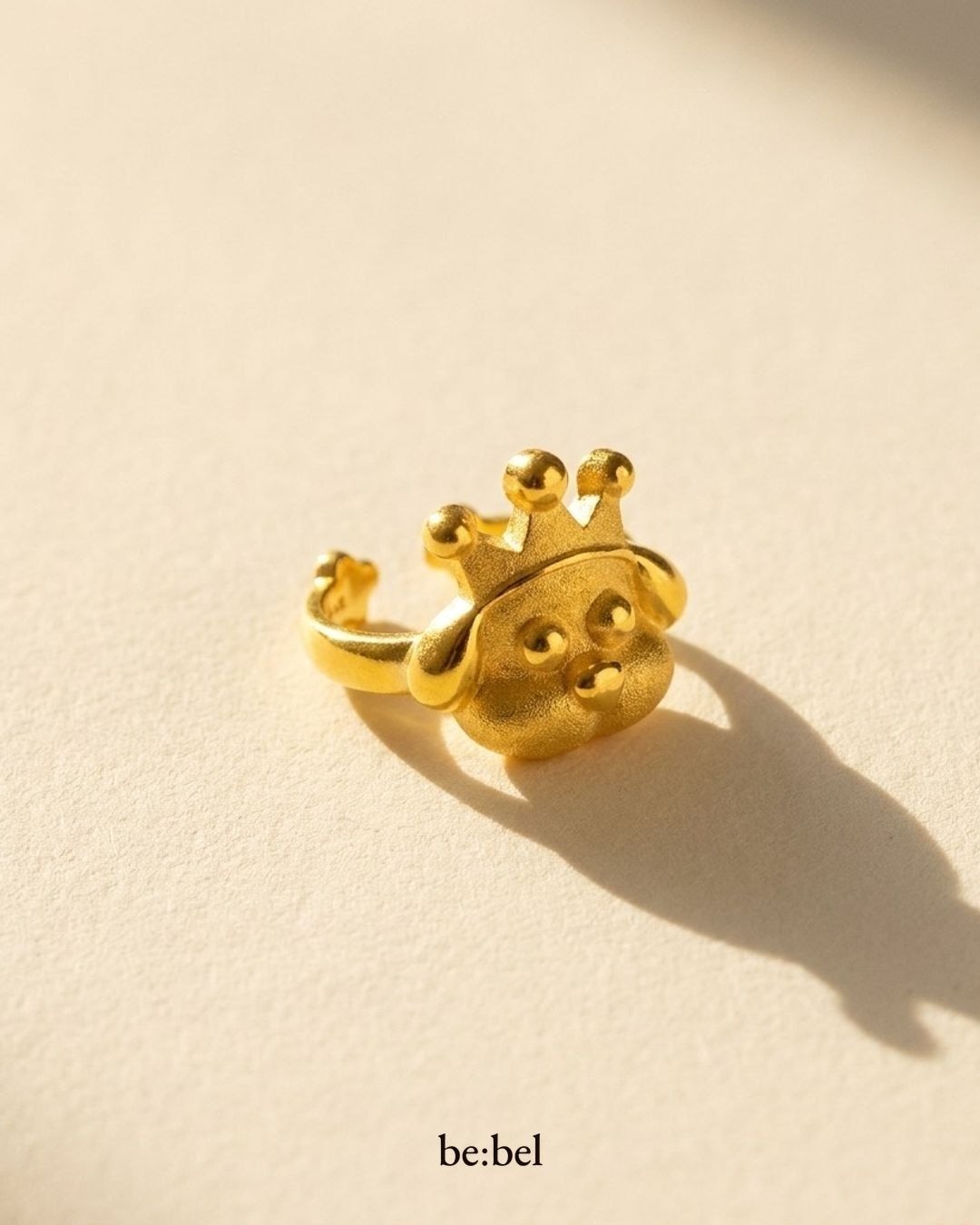
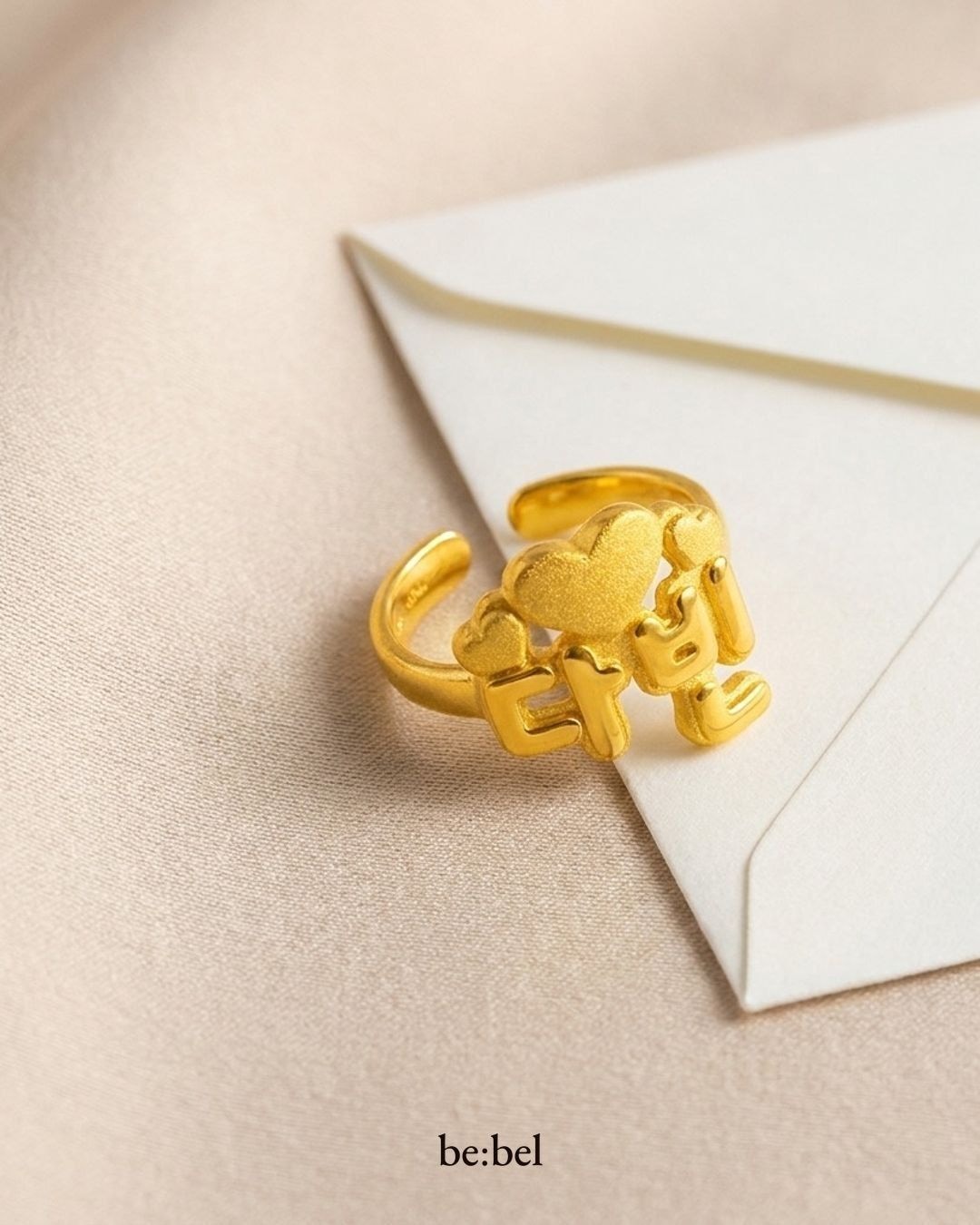
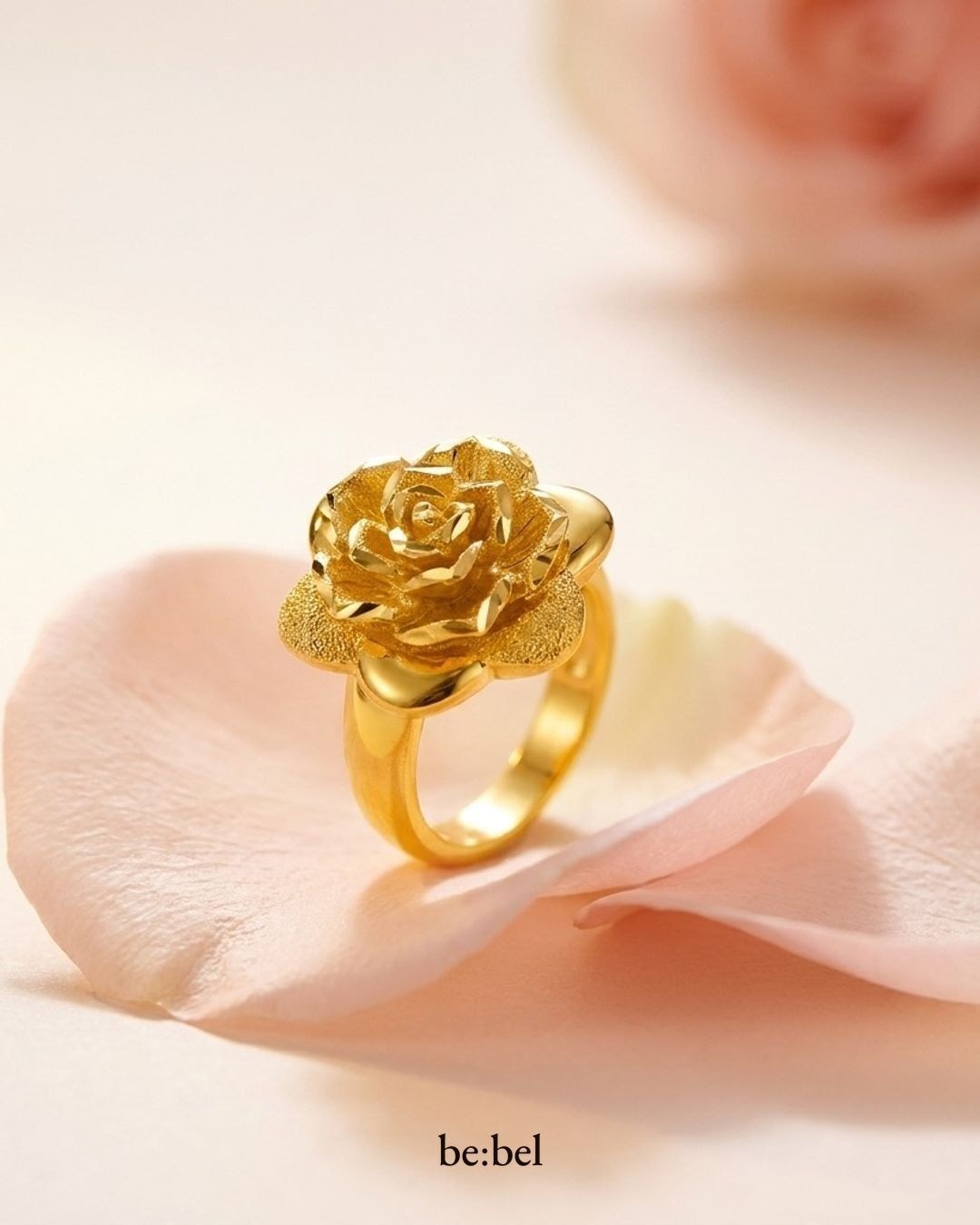
The first standard to consider is achieving exact weight. Pure gold jewelry must deliver the stated weight without the slightest deficiency, regardless of the size or length ordered. For instance, even with the same 1 don, a larger ring size requires stretching and rolling the gold thinner; the key is preserving the structural shape so the design does not lose its three-dimensional volume in the process.
Conversely, even if a finger is slender and calls for a smaller size, the total amount of gold must remain intact. Balancing the proportions of the design while melting and forging the exact required amount of gold into shape is impossible without exceptional master craftsmanship.
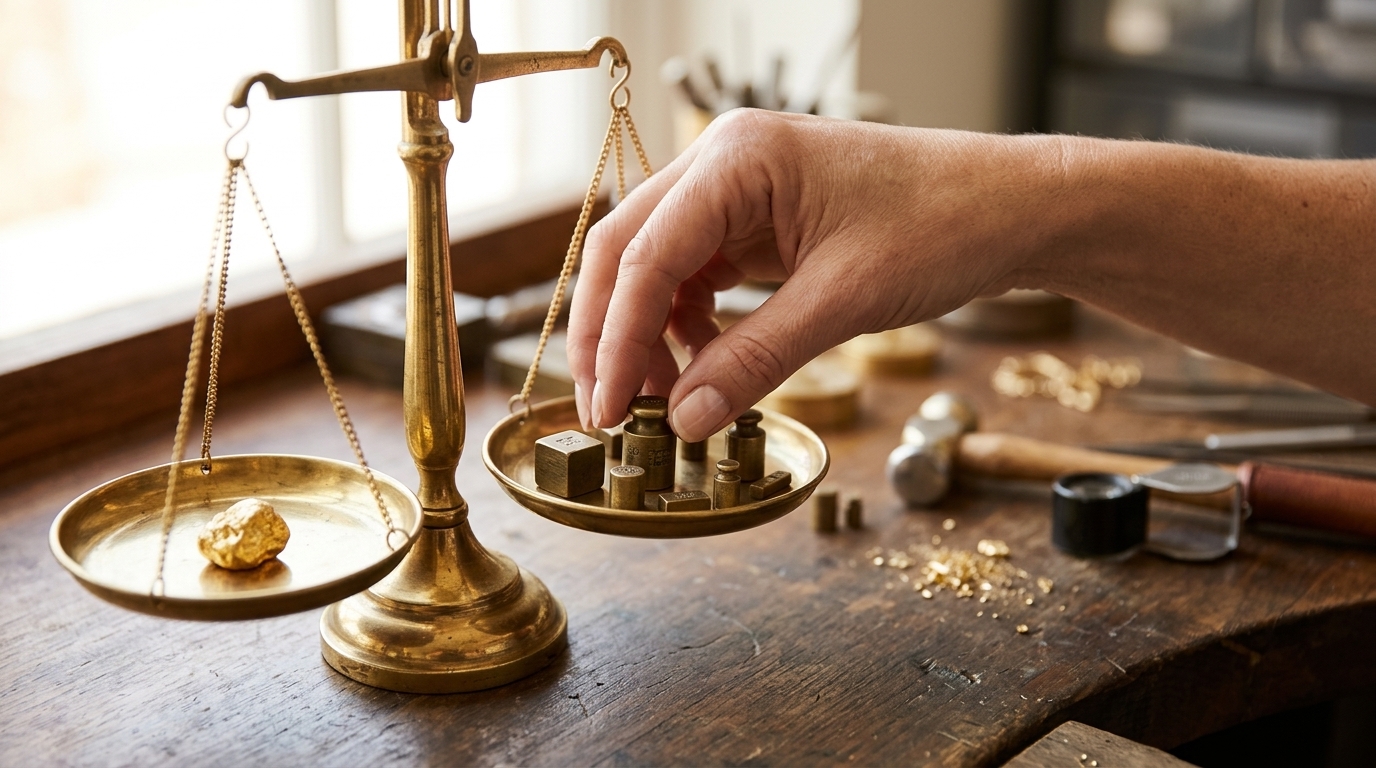
The second standard is a clear understanding of purity. When encountering pure gold jewelry, many people think of "four nines" (99.99%) used for gold bars, but that benchmark applies to bullion kept for storage without structural shaping.
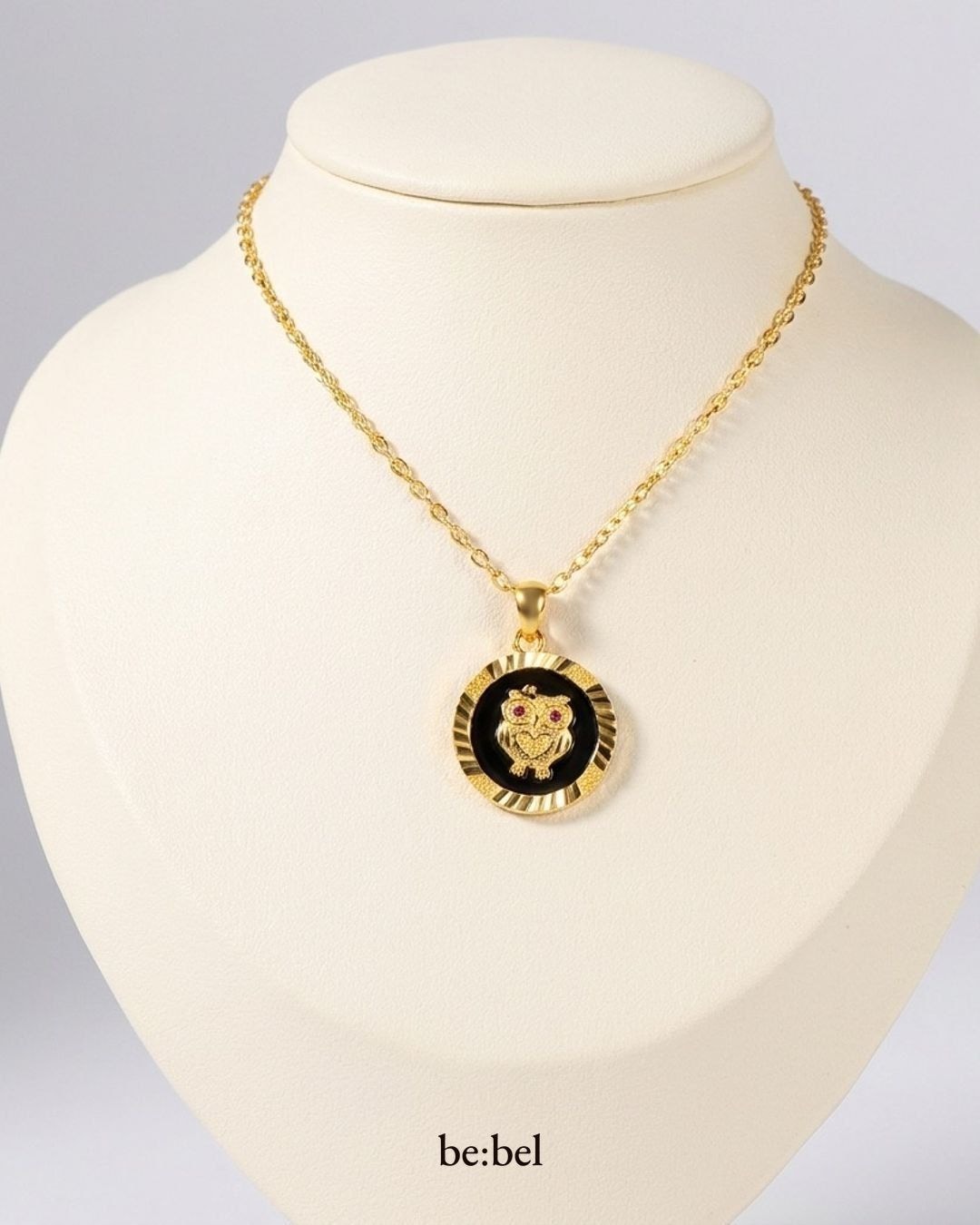
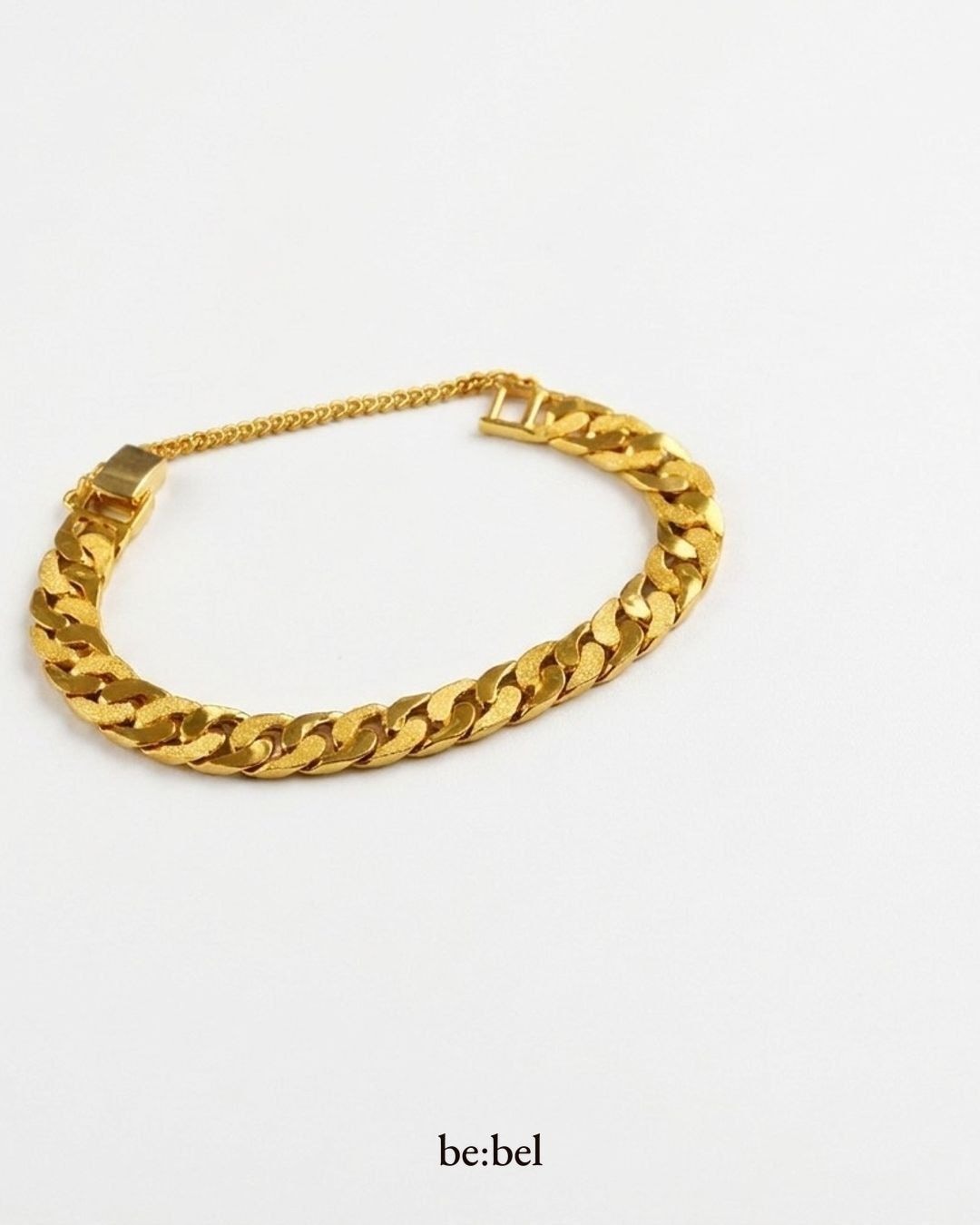
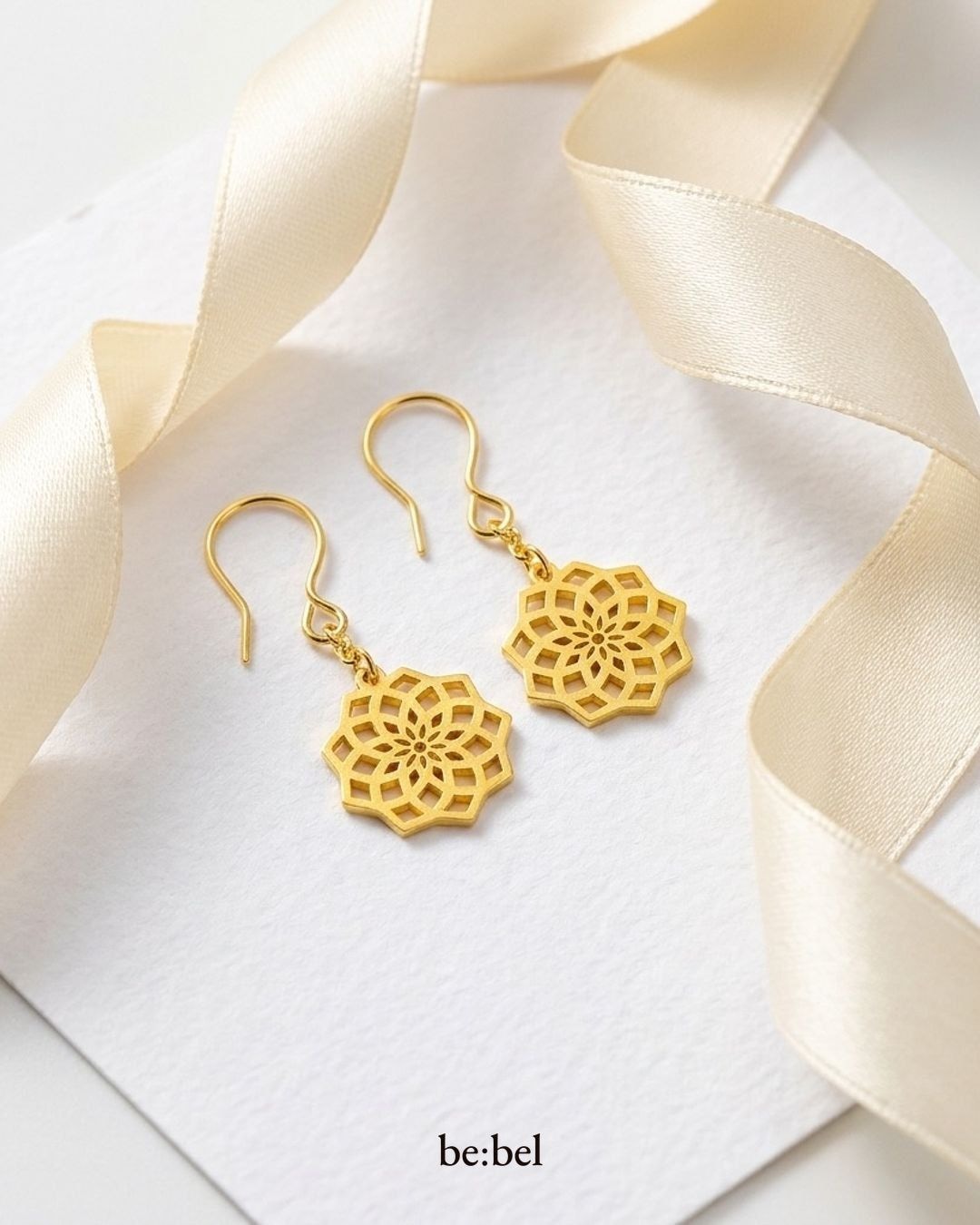
Pure gold jewelry such as necklaces, rings, bracelets, and earrings is crafted at 995 (99.5%) purity. Because of pure gold’s inherently soft nature, 995 purity has become the industry standard to ensure everyday durability and realize delicate design details. Only dol rings (Korean first-birthday gold rings) are typically made at 999 (99.9%) purity.

The softness of pure gold directly affects wearability and durability. The balance of thickness must be carefully calculated so the piece does not bend or dent easily, while the inner surfaces that touch fingers or wrists must be smoothly rounded to eliminate any discomfort when worn.
This level of structural perfection can only be achieved through the tactile instincts of artisans hammering, carving, and fine-tuning the gold. In the end, it is the human touch that breathes life into the timeless element of gold as wearable jewelry.
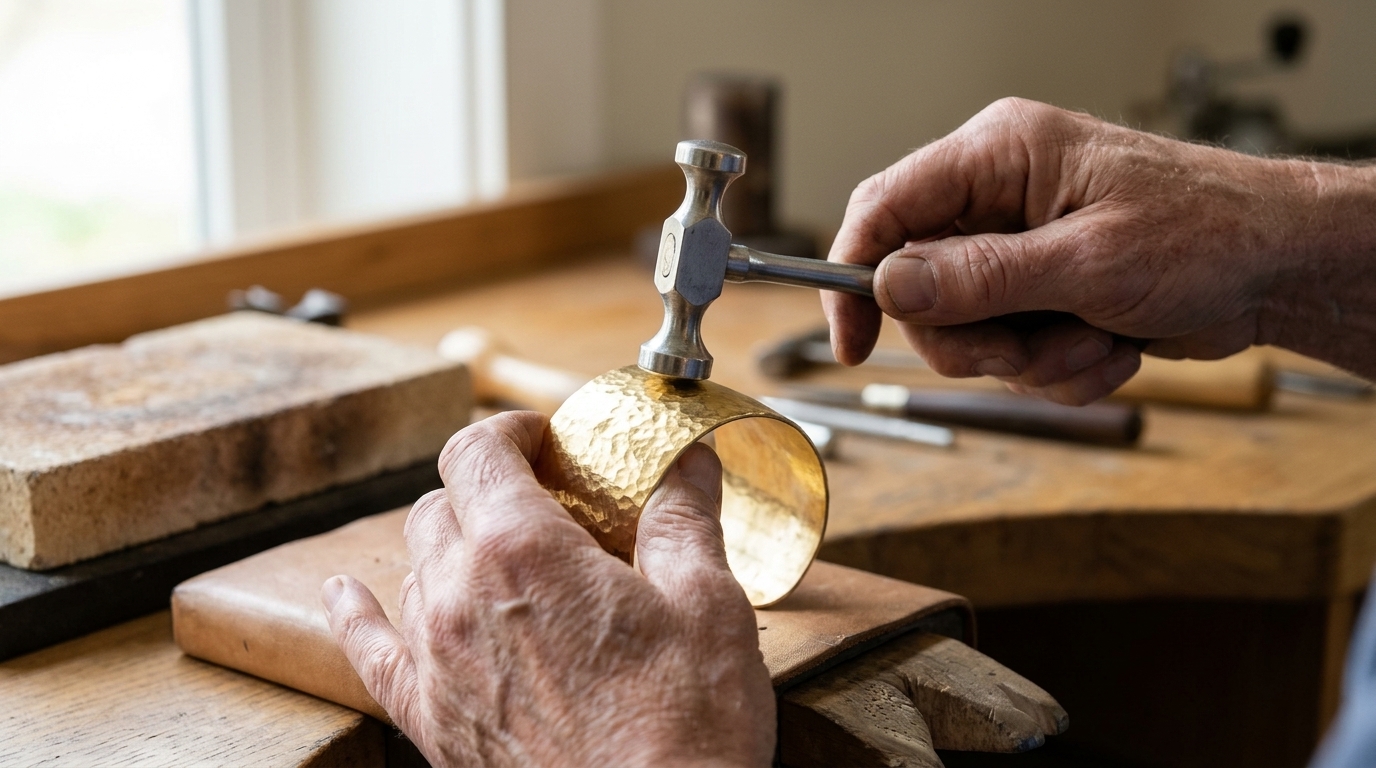
Pure gold jewelry worn daily is delicately refined at 995 purity to maintain its lasting, solid form.
The third standard is having the right perspective on how retail pricing is structured. Jewelry pricing is sometimes mistaken for a simple addition formula of the gold price plus labor fees.
However, the price of well-crafted pure gold jewelry cannot be reduced to simple arithmetic. Beyond the raw material of pure gold, it reflects the advanced crafting process where artisans meticulously calibrate the design to exact weights and sizes, as well as the dedication behind reliable sales and operations.
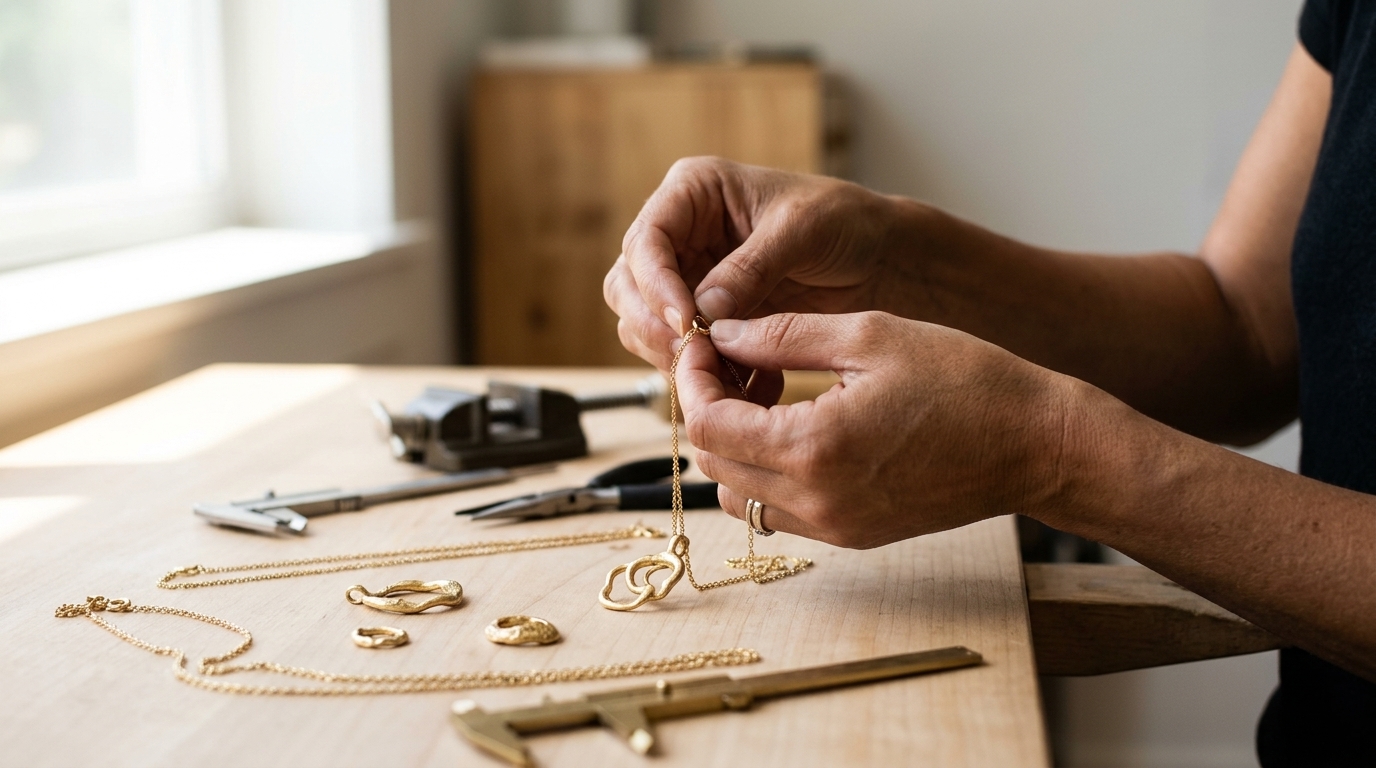
Maintaining the original aesthetic sensibilities while hitting the exact weight of gold across larger or smaller sizes is no simple feat. Pieces crafted without master skill and devoted attention to gold are prone to deformation or losing their luster over long periods of wear.
Therefore, when selecting jewelry, rather than just comparing upfront prices, it is essential to look deeper: verify whether the brand guarantees honest weight and standardized purity, and whether they make no compromises on craftsmanship.
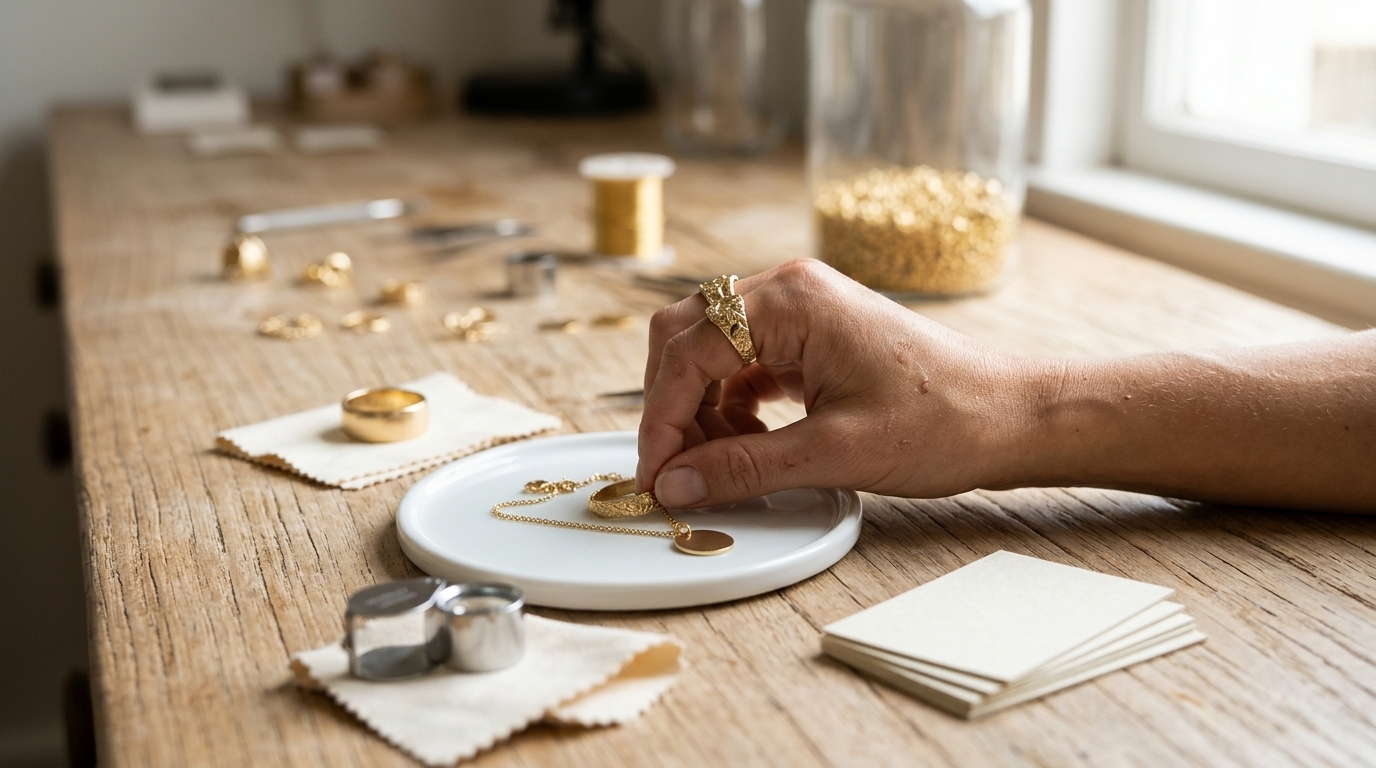
The criteria for choosing a trustworthy jewelry brand are clear: confirm whether they honor the stated purity and weight of each piece without deception, and how transparently they reflect the daily fluctuations of the market.
The prices at be:bel are automatically adjusted in real time according to the current gold price, and pieces are crafted based on the gold price at the moment your order is confirmed. Free from artificial price markups or ambiguous criteria, we present our jewelry guided by transparent and honest principles.
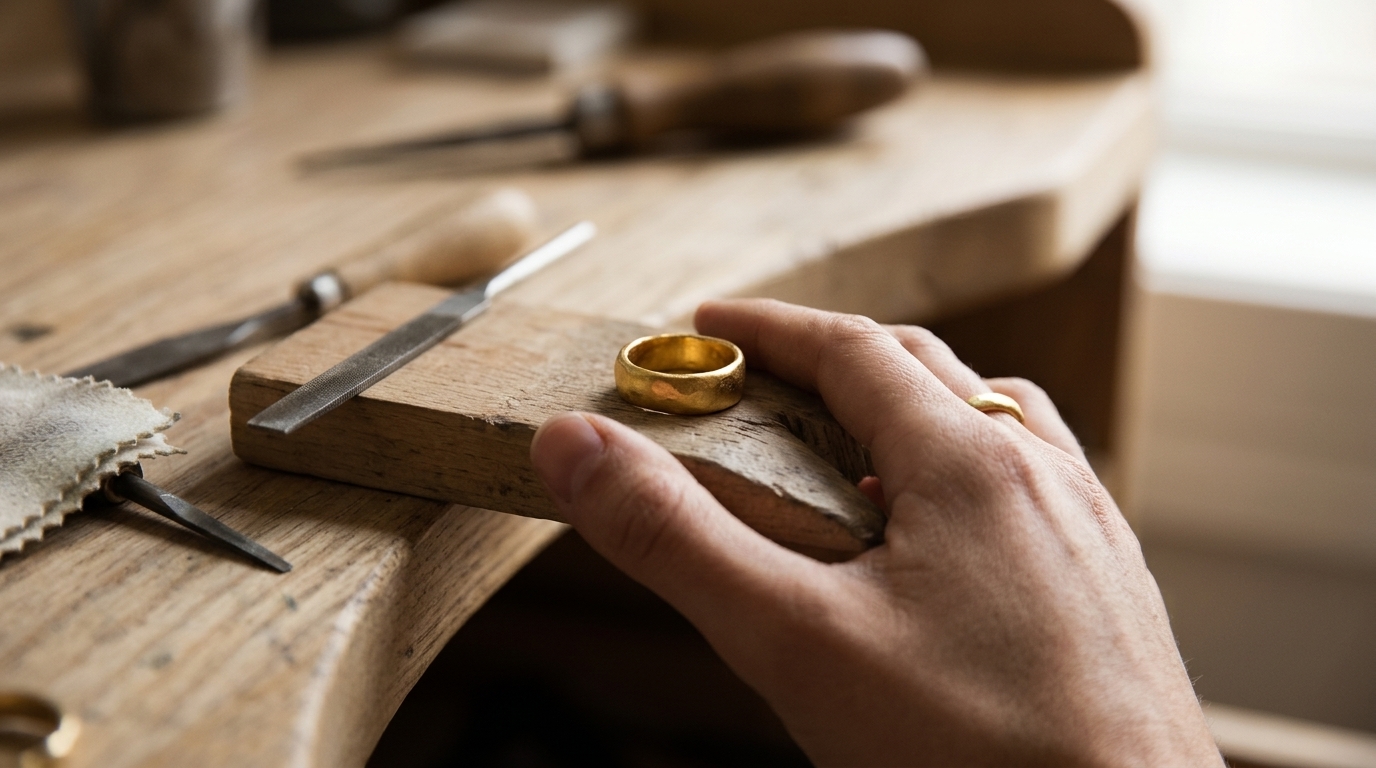
Rather than keeping the timeless value of pure gold tucked away in a drawer, be:bel reinterprets it as sensible jewelry you reach for every day, like your favorite wardrobe piece. We infuse every single design with elegant brilliance, comfortable fit, and the enduring craftsmanship born from an artisan’s fingertips.
If you want to experience the standards that create everyday radiance while honestly upholding stated weights and purity, explore the transparently shared pure gold collection at be:bel today.
Pure Gold Mall be:bel · Editor B
Frequently Asked Questions
What is the standard purity of pure gold jewelry?
Pure gold jewelry, such as necklaces and rings, is crafted at 995 (99.5%) purity. Dol rings are crafted at 999 (99.9%) purity.
How is the price of pure gold jewelry determined?
The price of pure gold jewelry is determined by the raw material cost of gold combined with artisanal craftsmanship, the technical precision required to meet exact weight and dimensions, and the operational commitment behind sustainable stewardship.
What standards guide be:bel's offerings?
be:bel adjusts prices in line with real-time gold rates and crafts each piece based on the market price at the moment an order is confirmed, strictly adhering to stated purities and weights.