Pure Gold Purity Standards: 3 Key Differences Between 999 and 995
A comprehensive guide on this topic — Pure Gold vs. 18K vs. 14K: A Complete Guide
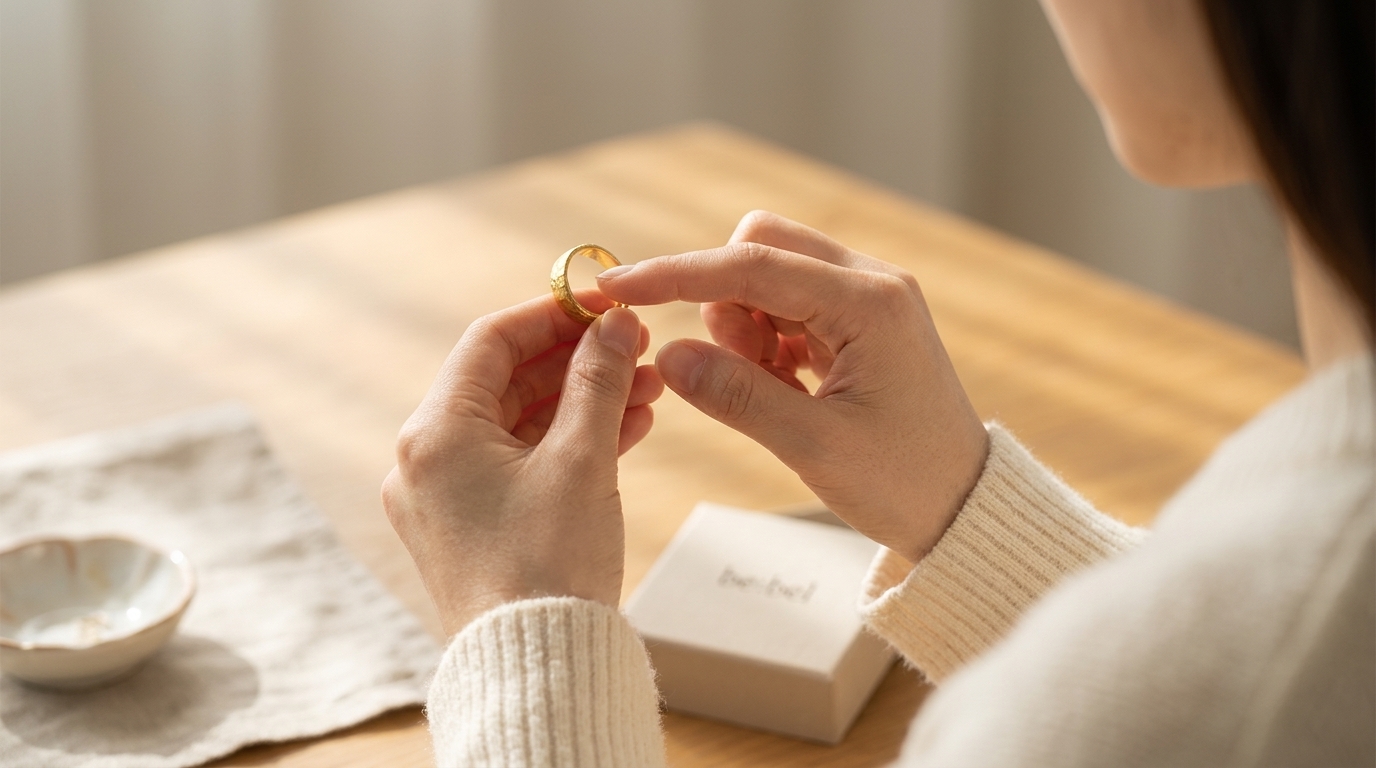
When you pull out a pure gold ring kept deep in your wardrobe, there may come a moment when you look at the numbers stamped inside and tilt your head in confusion. You bought it knowing it was 24K pure gold, yet one piece reads "999" while another is stamped "995"—leaving you suddenly worried that the gold content might fall short.
Distinguishing pure gold purity is not about complex chemical formulas; it begins with how the gold is shaped and how it is meant to be used. To get straight to the conclusion: gold bars are properly made at 99.99%, dol rings (Korean first-birthday gold rings) at 99.9% (999), and everyday wearable pure gold jewelry at 99.5% (995).
A 995 stamp on pure gold jewelry does not mean there is not enough gold. Rather, it represents the technical standard required to preserve the form and structural integrity of jewelry meant to be worn every day.
999, 995, and Four Nines: How Are They Actually Different?
While people commonly use the term "24K" to describe gold purity, precise manufacturing and distribution environments distinguish gold clearly using parts-per-thousand millesimal fineness. When distinguishing pure gold purity, the first three numbers you encounter are 99.99% (known as "Four Nines"), 99.9% or 999 ("Three Nines"), and 99.5% (995).
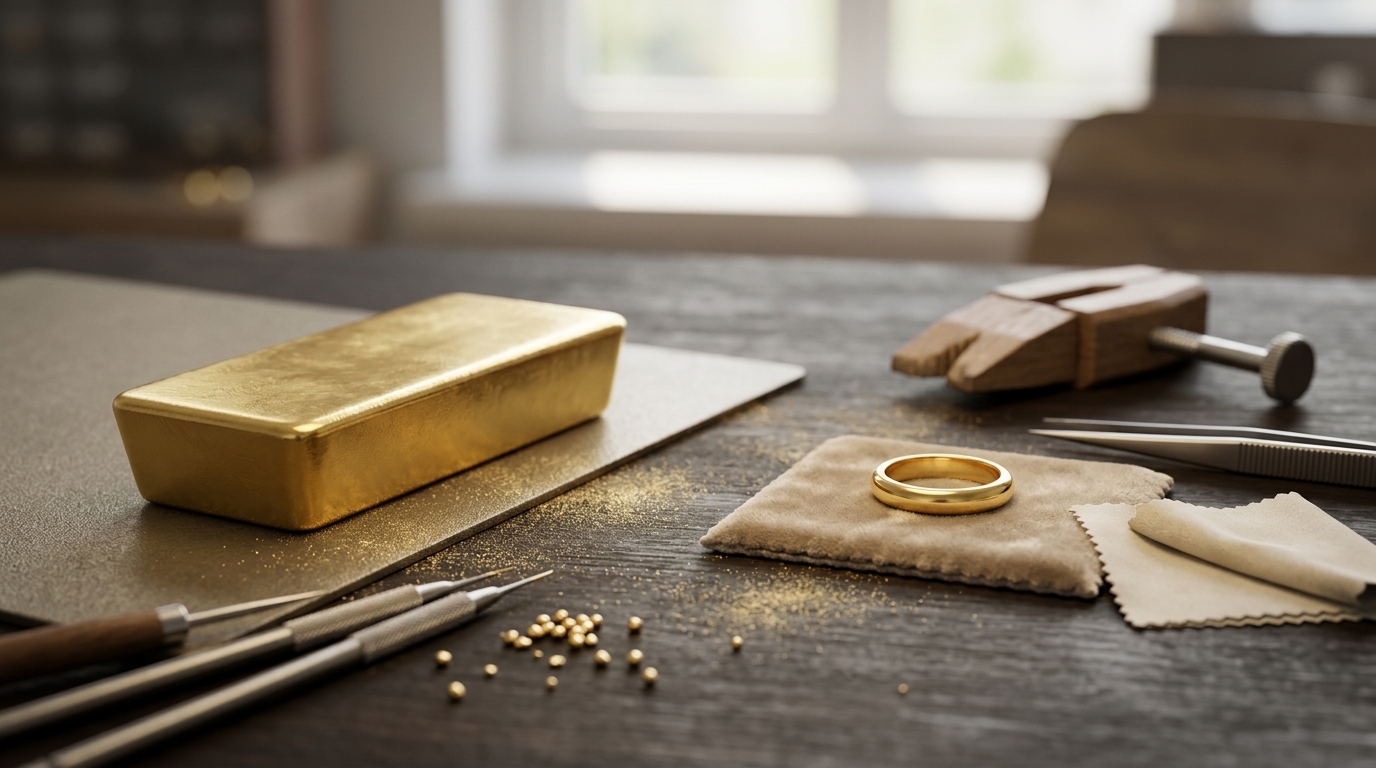
Four Nines (99.99%) is a standard used exclusively for raw bullion chunks and cast gold bars. It refers to gold mined, refined, and filtered to the extreme until impurities account for less than 0.01%. This Four Nines gold is poured into square molds and solidified purely for storage and physical asset preservation; structurally, it cannot be used for wearable jewelry.
Three Nines (99.9%) applies to pure gold products that require virtually no high-heat soldering or joining processes, such as traditional dol rings or simple commemorative medals. Because the gold retains its inherently soft, malleable nature, it bends easily under light pressure. However, because these pieces require no intricate three-dimensional structures or joining points, they can maintain 99.9% purity.
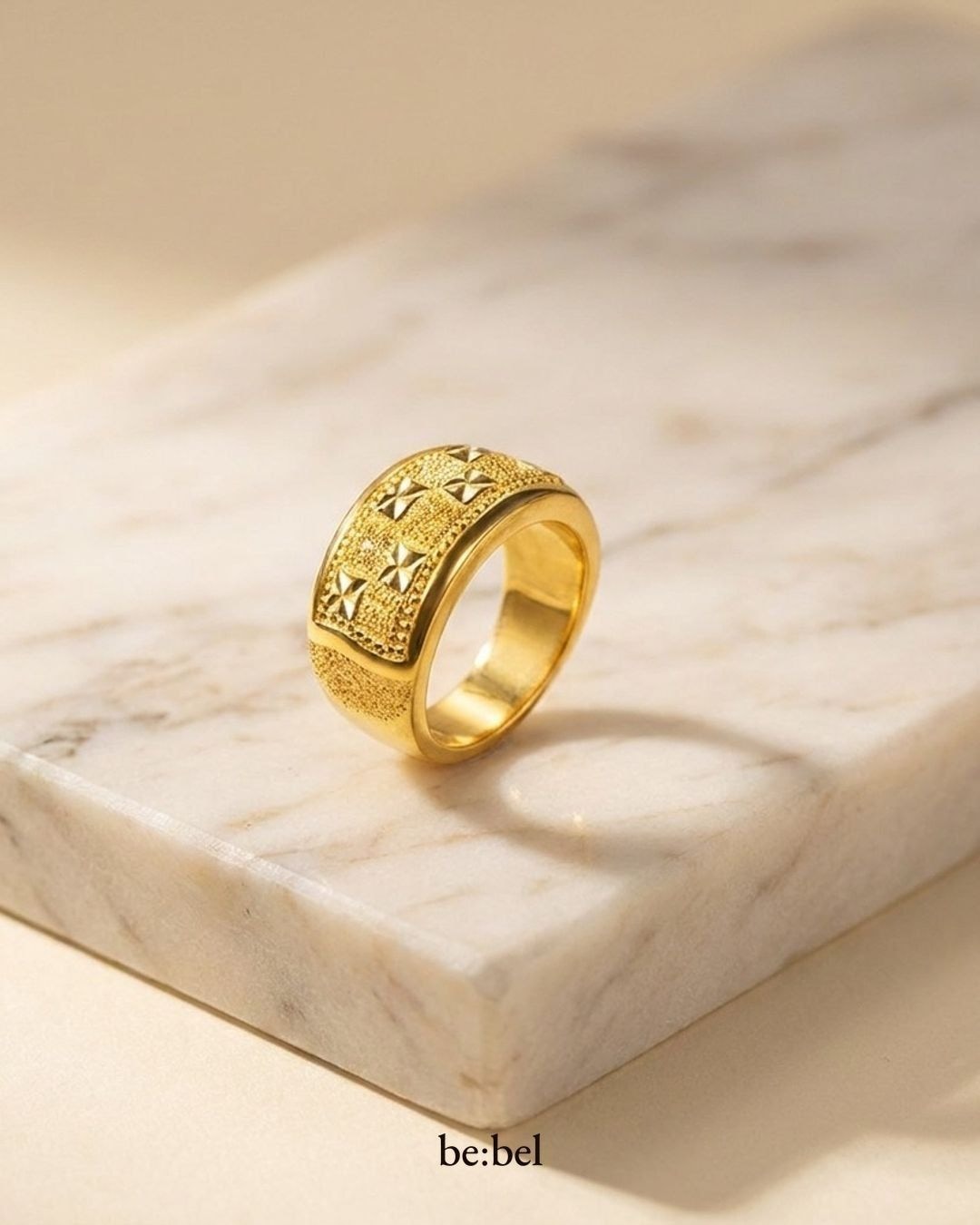
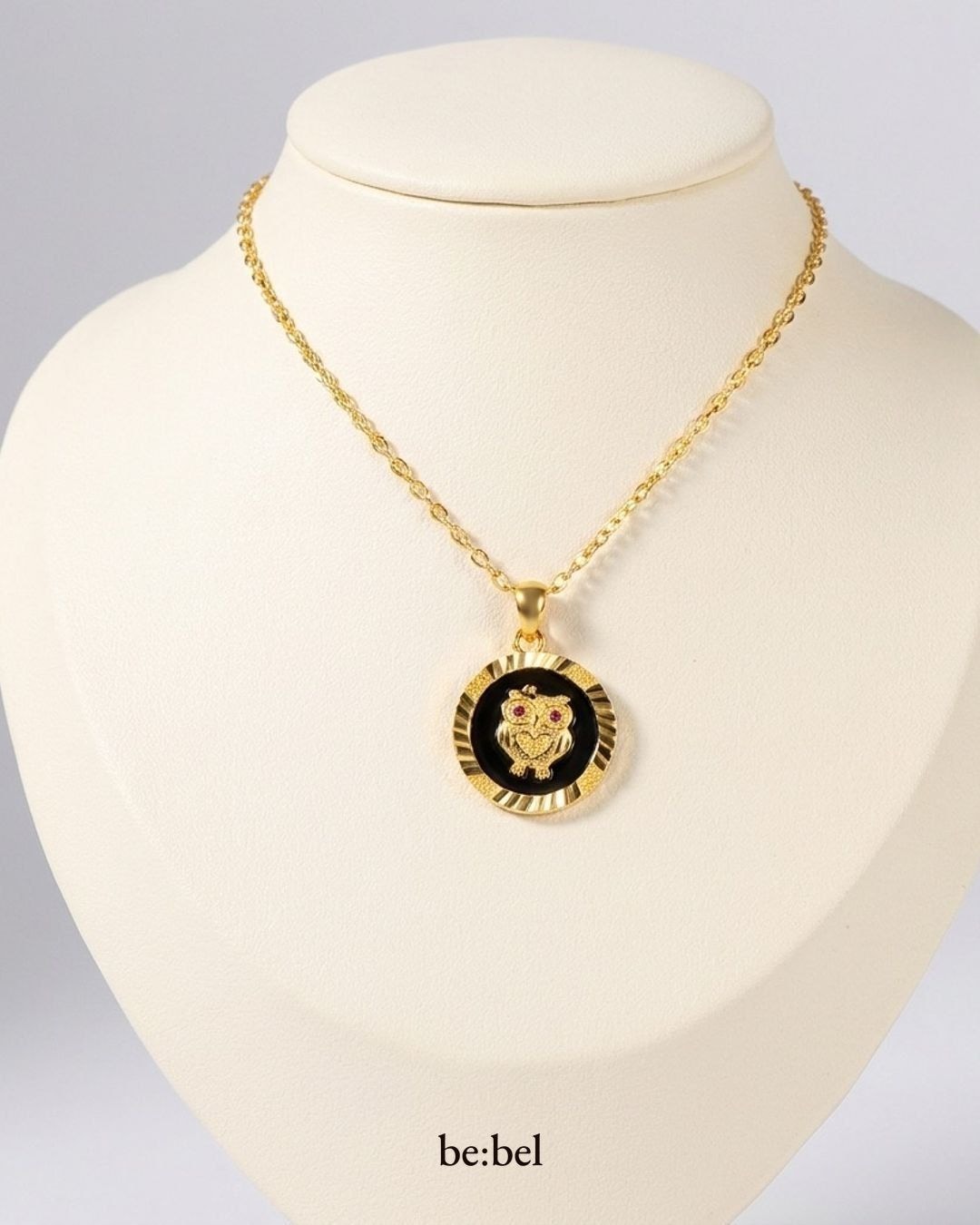
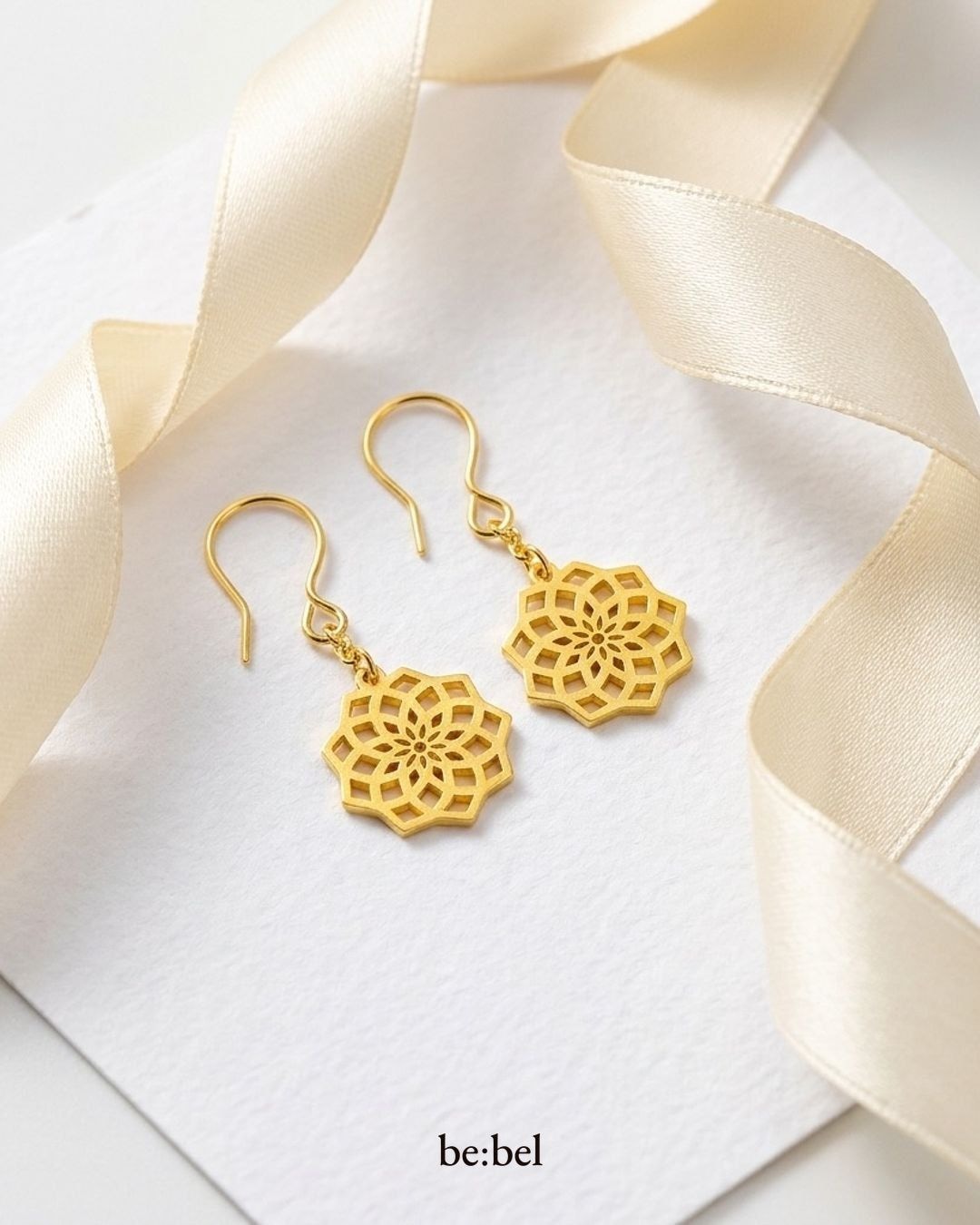
On the other hand, 99.5% (995) is the standard purity for the sophisticated pure gold jewelry we wear around our necks and on our fingers. Pure gold is so soft that pressing it firmly with a fingernail leaves a mark. To shape such soft gold into delicate forms and securely fasten joints, minute soldering is indispensable. The legally recognized standard resulting from this process is precisely 995 purity.
"995 does not mean insufficient gold; it is an honest promise stamped to preserve the delicate form of everyday jewelry."
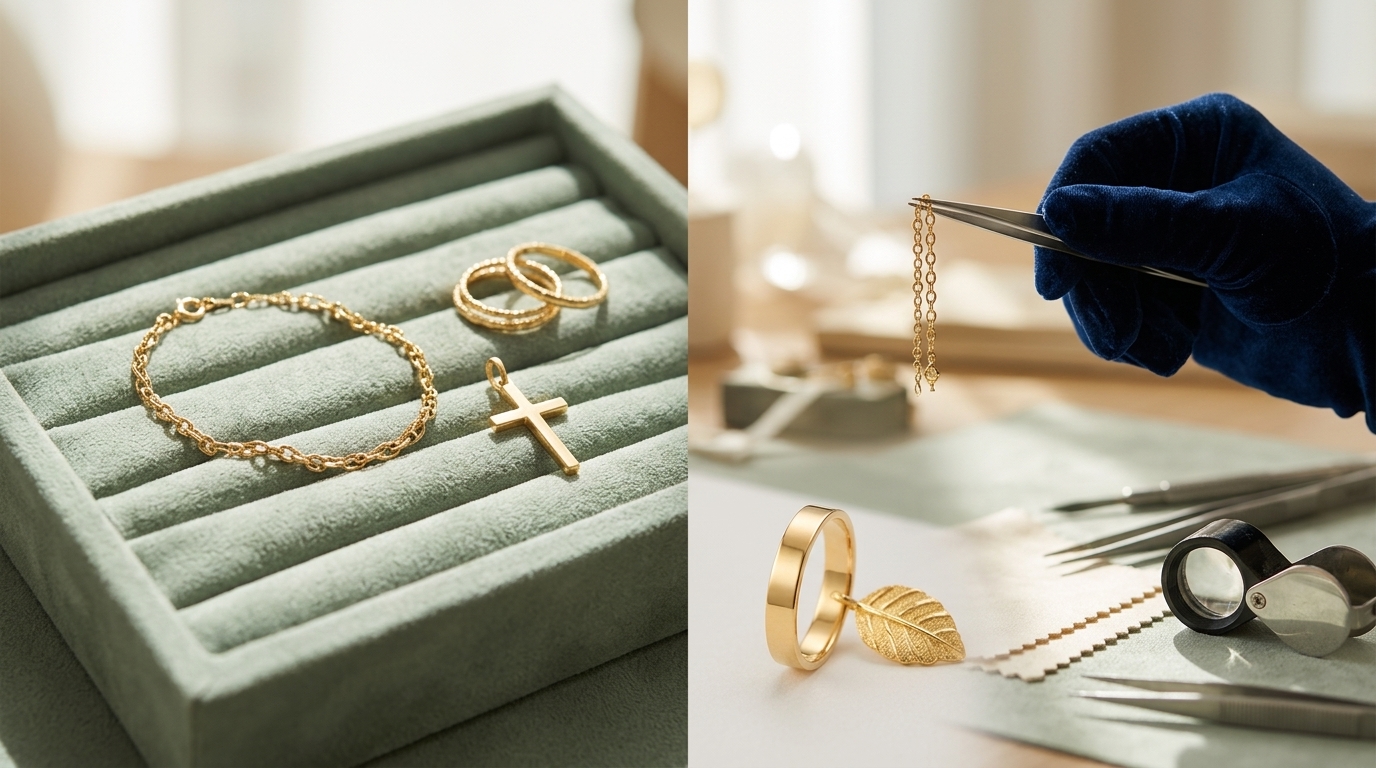
Why Is Wearable Pure Gold Jewelry Crafted at 995 Instead of 999?
Many people ask whether it wouldn't be better to make pure gold jewelry at 999 or 99.99%. Yet taking a closer look at the reality of jewelry crafting quickly reveals why the 995 standard must be strictly upheld.
When joining the ends of a ring or linking chain segments to complete a necklace from pure gold granules, craftsmen must use soldering—melting gold with a torch where piece meets piece. If chain links were merely bent closed without soldering, they would easily pull apart upon catching on clothing or under a light tug, resulting in the loss of precious gold.
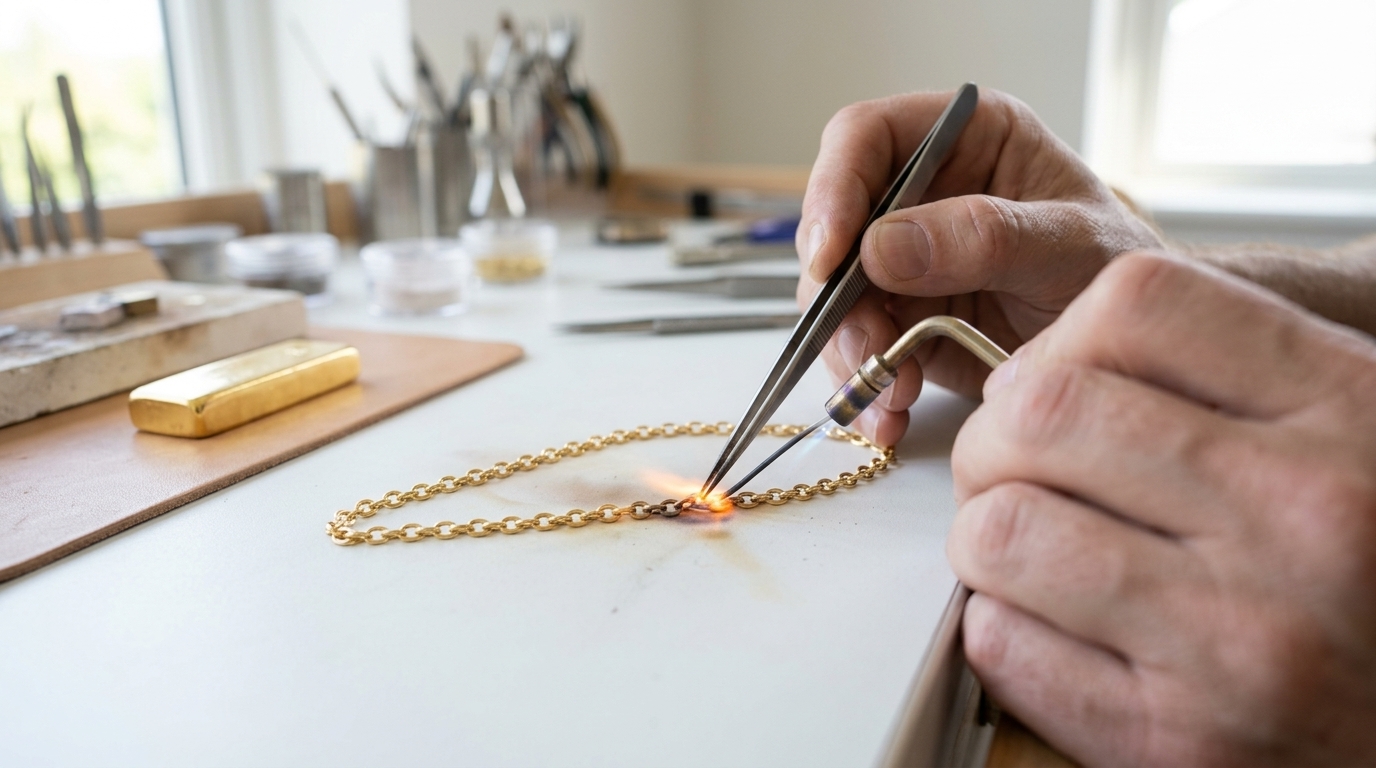
To create a durable joint, craftsmen must use solder gold with a melting point slightly lower than that of the base pure gold. If a torch were applied with the exact same 99.99% purity as the base material, not only the joint but the meticulously carved chain link itself would melt first, collapsing the entire structure of the jewelry.
Through this precise soldering process, the average gold content across the finished piece naturally settles at around 99.5%. The optimal equilibrium that guarantees everyday comfort and solid durability while fully preserving the value of pure gold is 995. Therefore, if a seller claims that an intricately crafted three-dimensional ring or necklace is Four Nines (99.99%), they are likely misrepresenting the physical properties of pure gold and the realities of the crafting process.
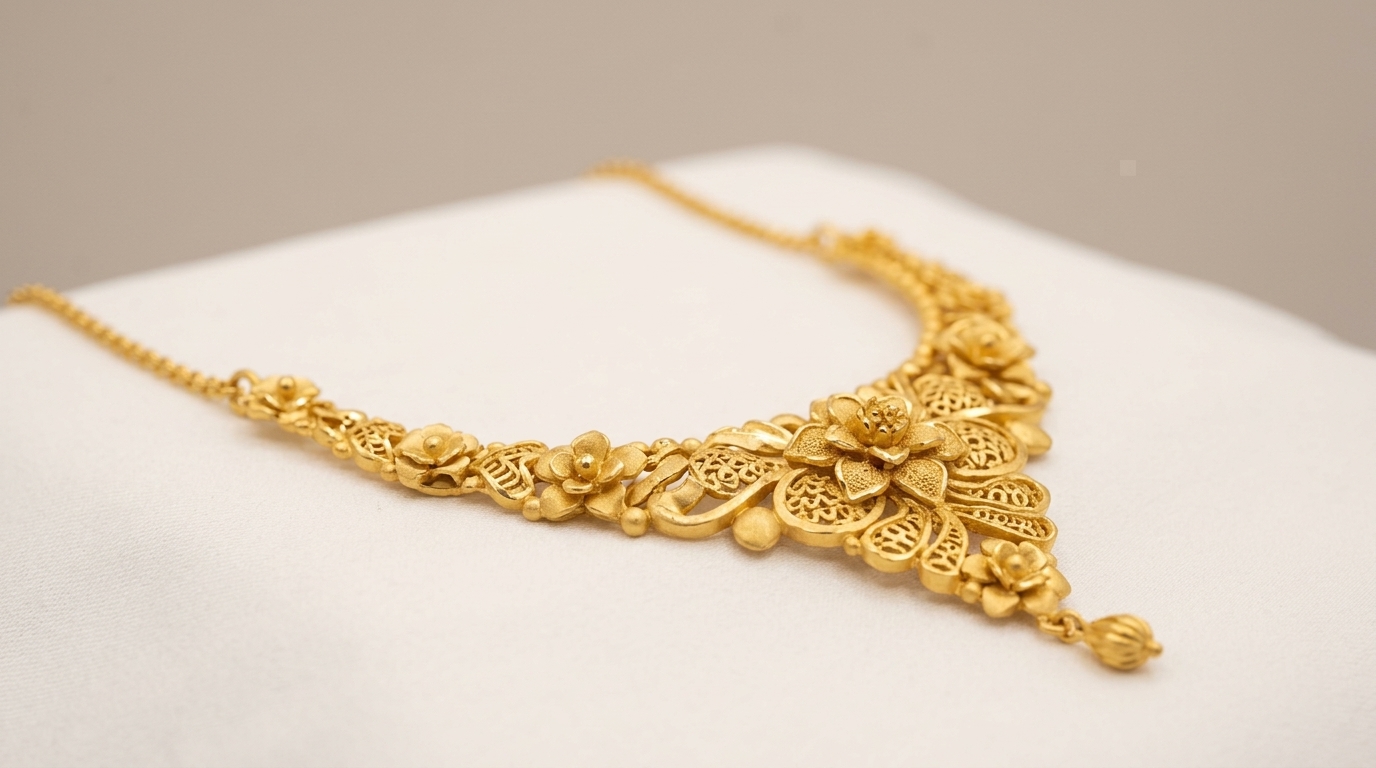
Why Purity Standards Differ for Dol Rings and Fine Jewelry
This also explains why purity markings differ when placing a commemorative dol ring side by side with a fashion pure gold ring worn every day.
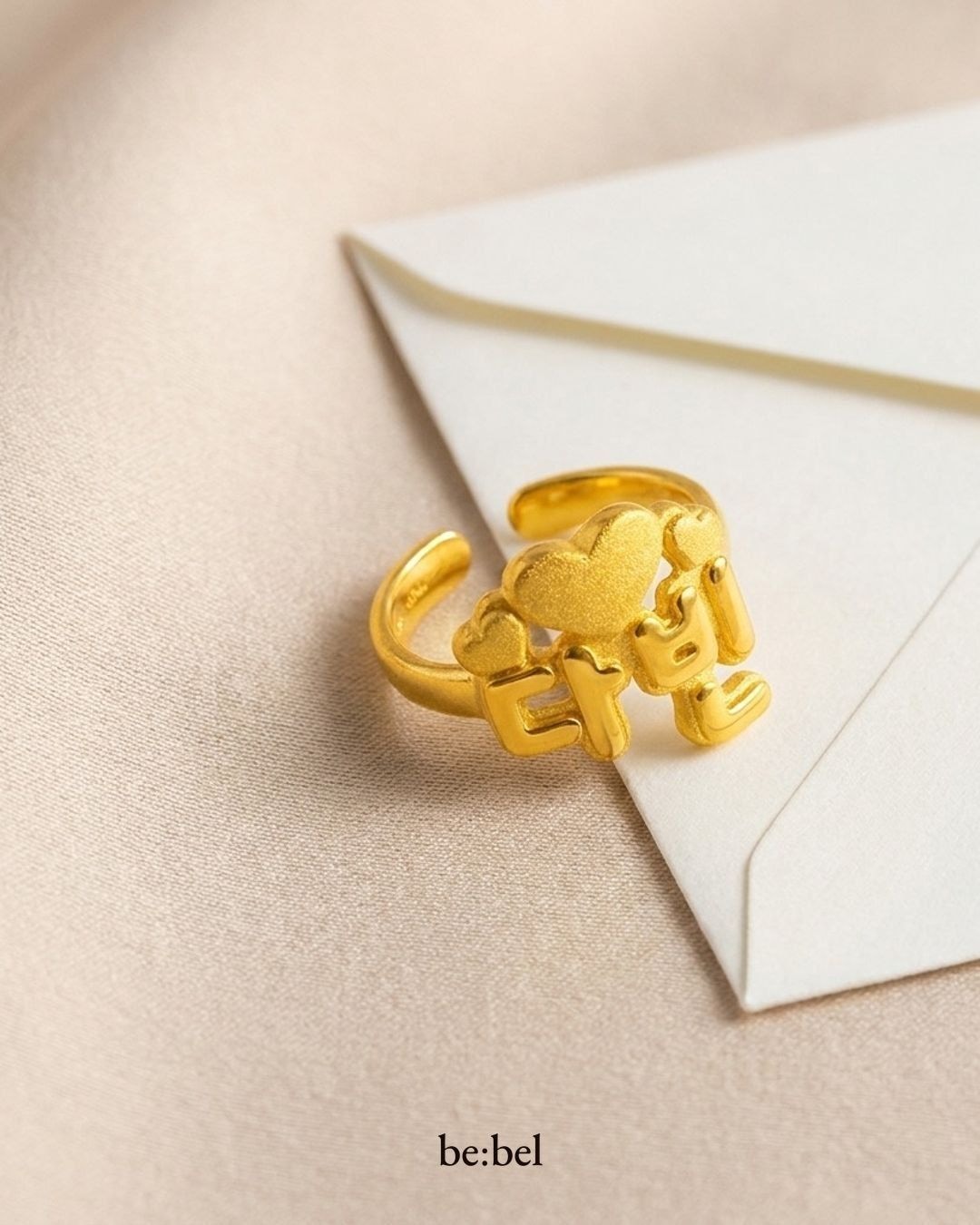
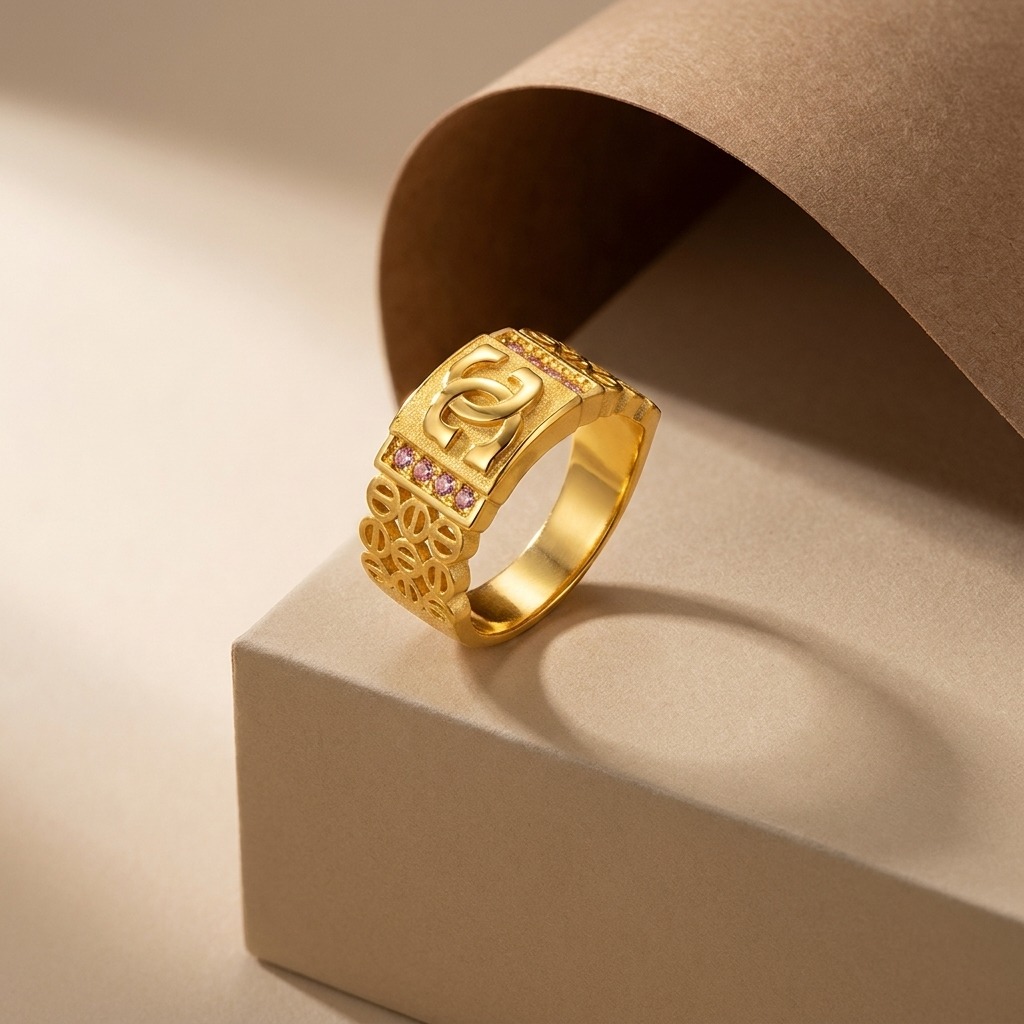
A dol ring is a symbolic gift celebrating a child's first birthday and preserving that sentiment for years to come. It is not an item worn daily on outings, enduring friction against clothes or everyday impacts. Most dol rings are stamped into simple round bands or engraved with traditional patterns, requiring no complicated joining procedures.

Because they involve little to no soldering and feature straightforward shapes, dol rings are standardized at 99.9% (999) purity. In contrast, pure gold rings worn daily by adults must withstand constant everyday friction—washing hands, carrying bags, and turning door handles.
If everyday jewelry were forced into a 999 purity standard, the shapes would quickly deform or the links would easily snap. The rings, necklaces, bracelets, and earrings you wear every day are rightly crafted at 995 purity to maintain solid joints and retain their original design. Conversely, dol rings are traditionally crafted at 999 purity in keeping with their focus on preservation and symbolism.
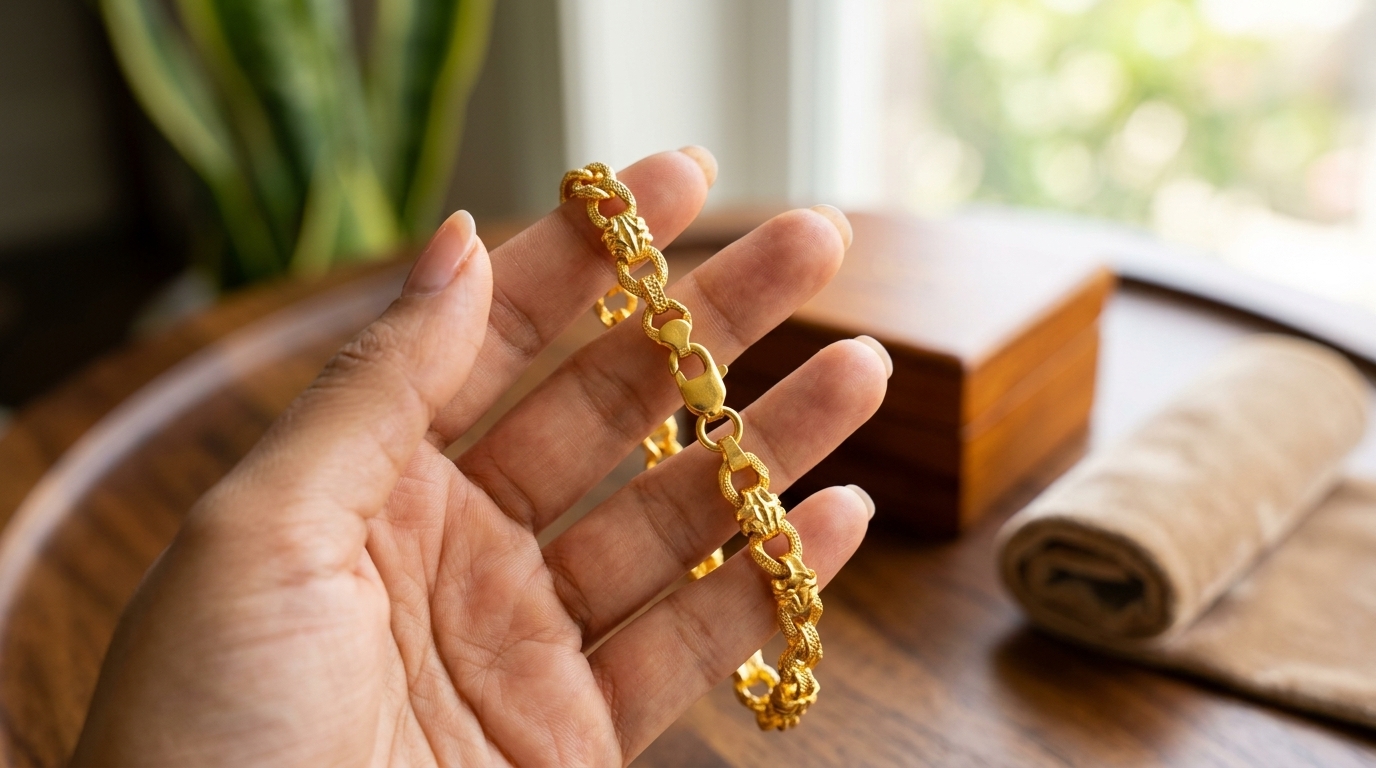
How to Discern Pure Gold Purity Without Being Misled by Appearances
To the naked eye, distinguishing the golden hue of 999 from 995 is virtually impossible for an ordinary consumer. Both purities embody the deep, rich golden luster unique to pure gold. How, then, should you verify purity when choosing a piece?
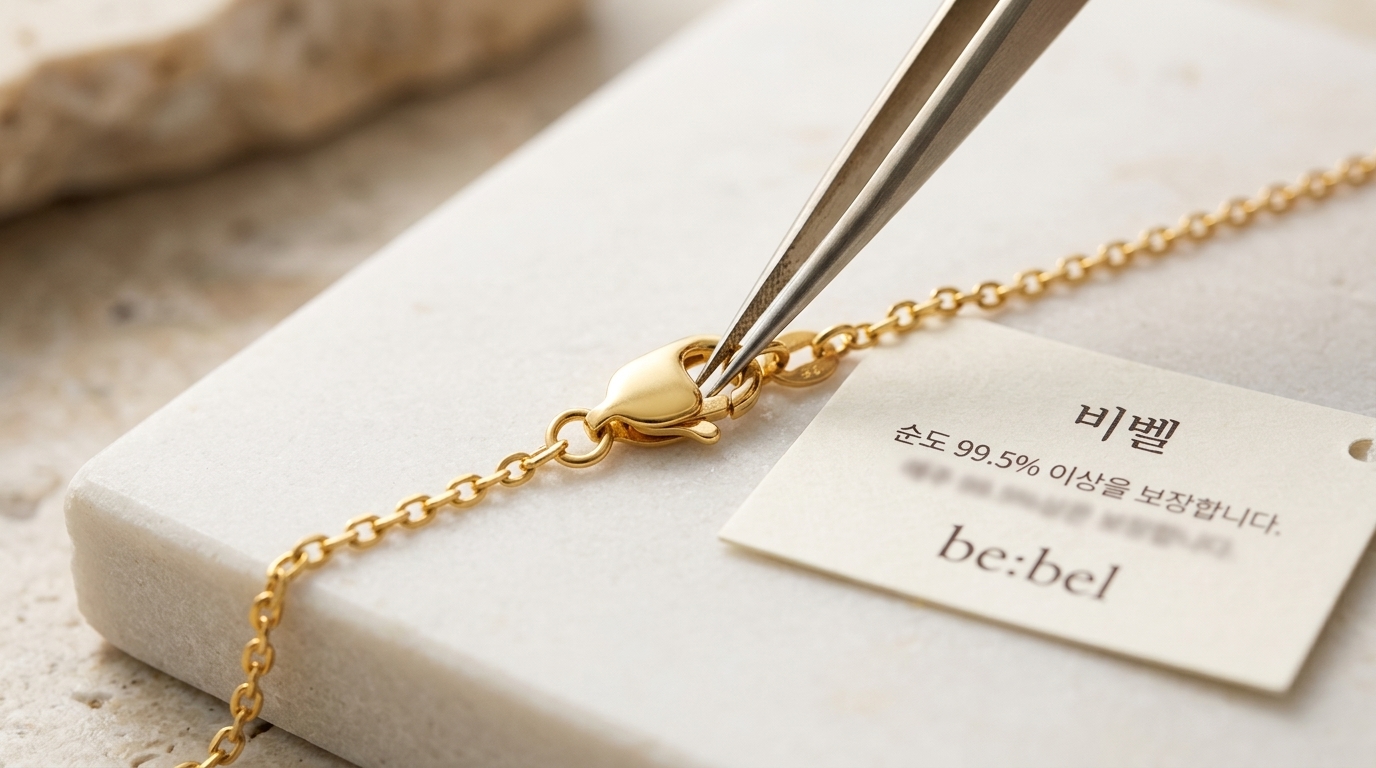
First, carefully examine the warranty system and hallmark stamps accompanying the piece. Pure gold jewelry generally avoids deep brand engravings directly on the surface. Because of pure gold's soft nature, excessive engraving can deform the piece or cause weight loss. Instead, you should check for an authentic verification system from a trusted brand alongside clearly stated purity figures.
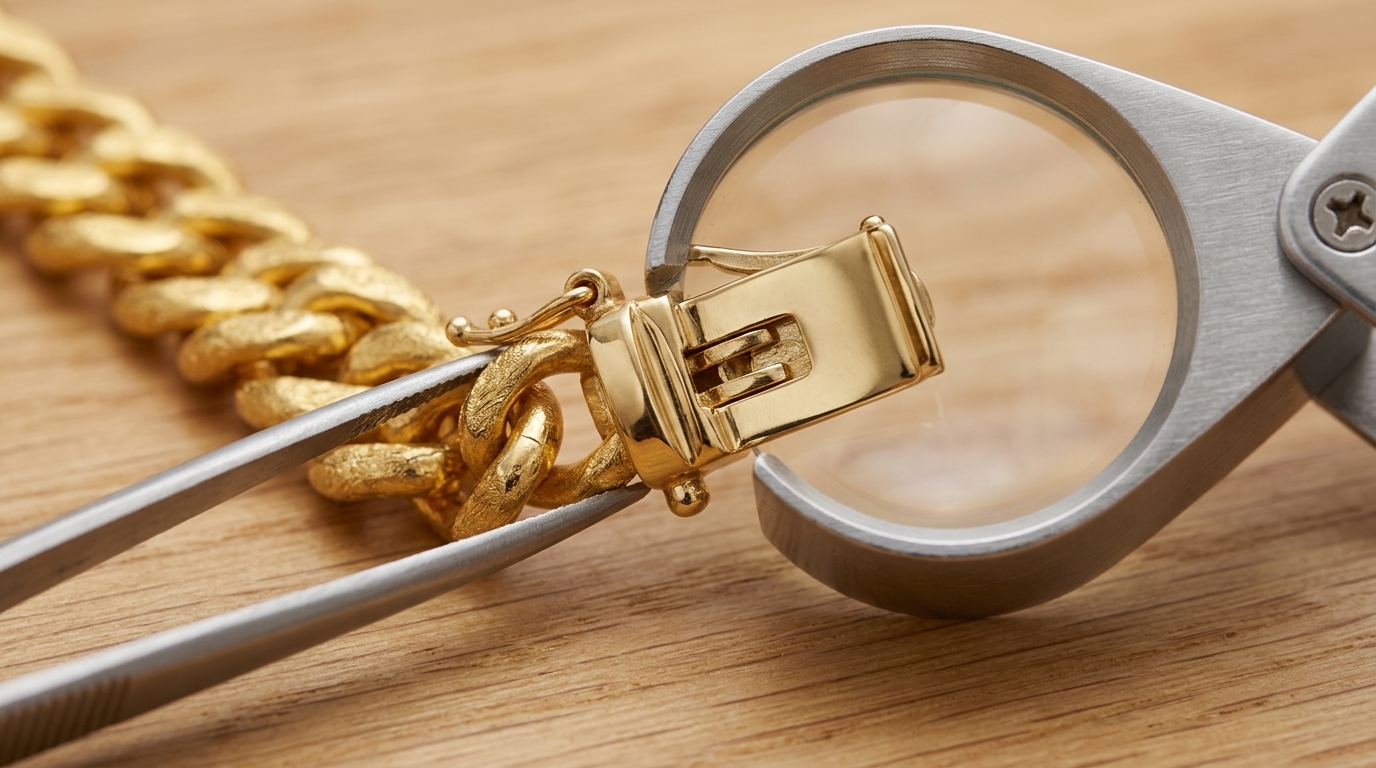
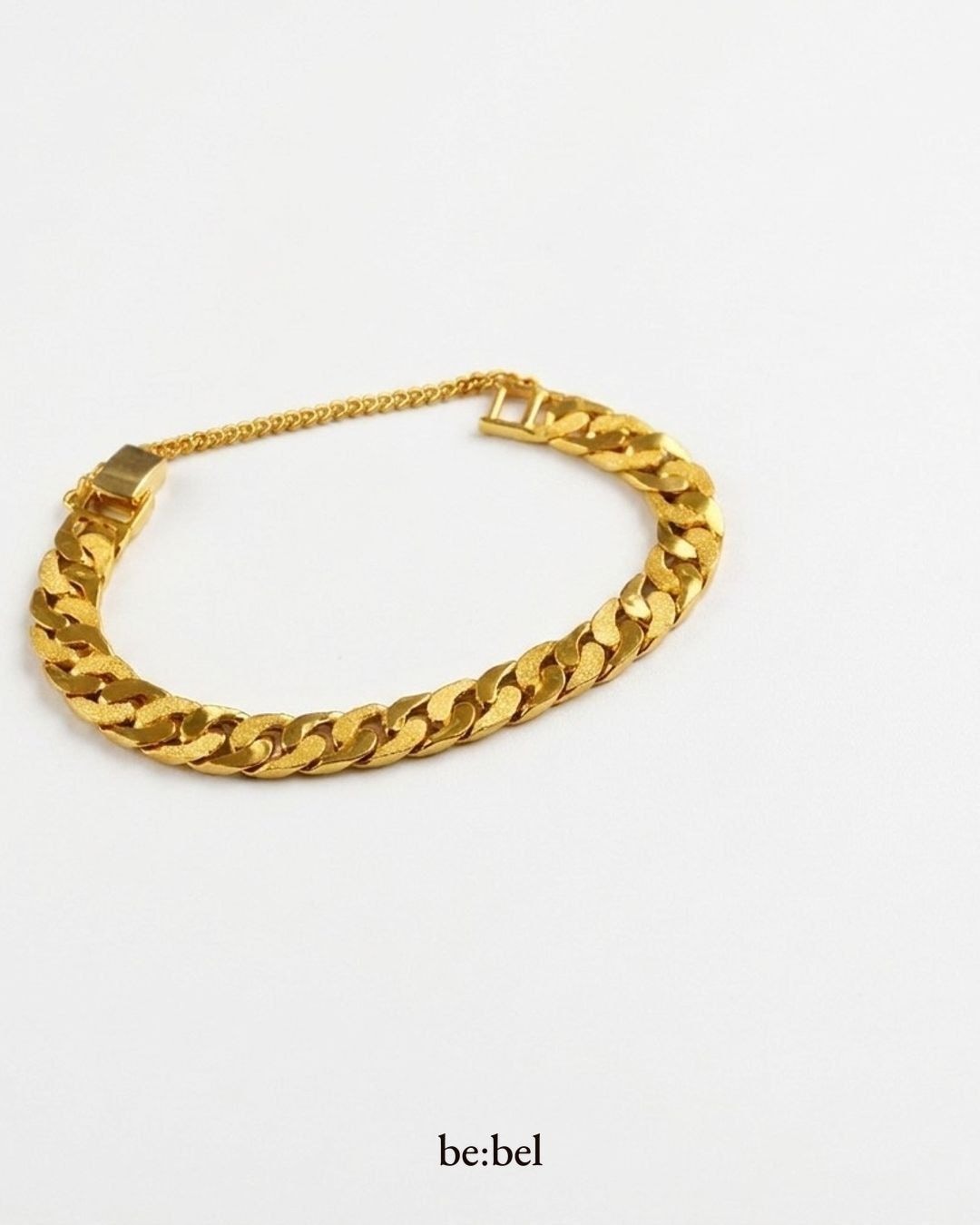
For necklaces and bracelets, it pays to look closely at the clasp area. The clasps that fasten necklaces and bracelets (such as lobster clasps or box clasps) must withstand strong tension opened and closed multiple times a day; therefore, they are standardly crafted in 18K (75% gold content) rather than pure gold. A clasp made of pure gold would loosen and come undone within days.
An honest jeweler never reduces the total pure gold content under the pretext of the 18K clasp's weight. Discerning true purity comes down to checking whether the 18K gold content is calculated accurately so that the stated pure gold weight is fully fulfilled with added gold, and whether the total weight measures honestly on the scale.
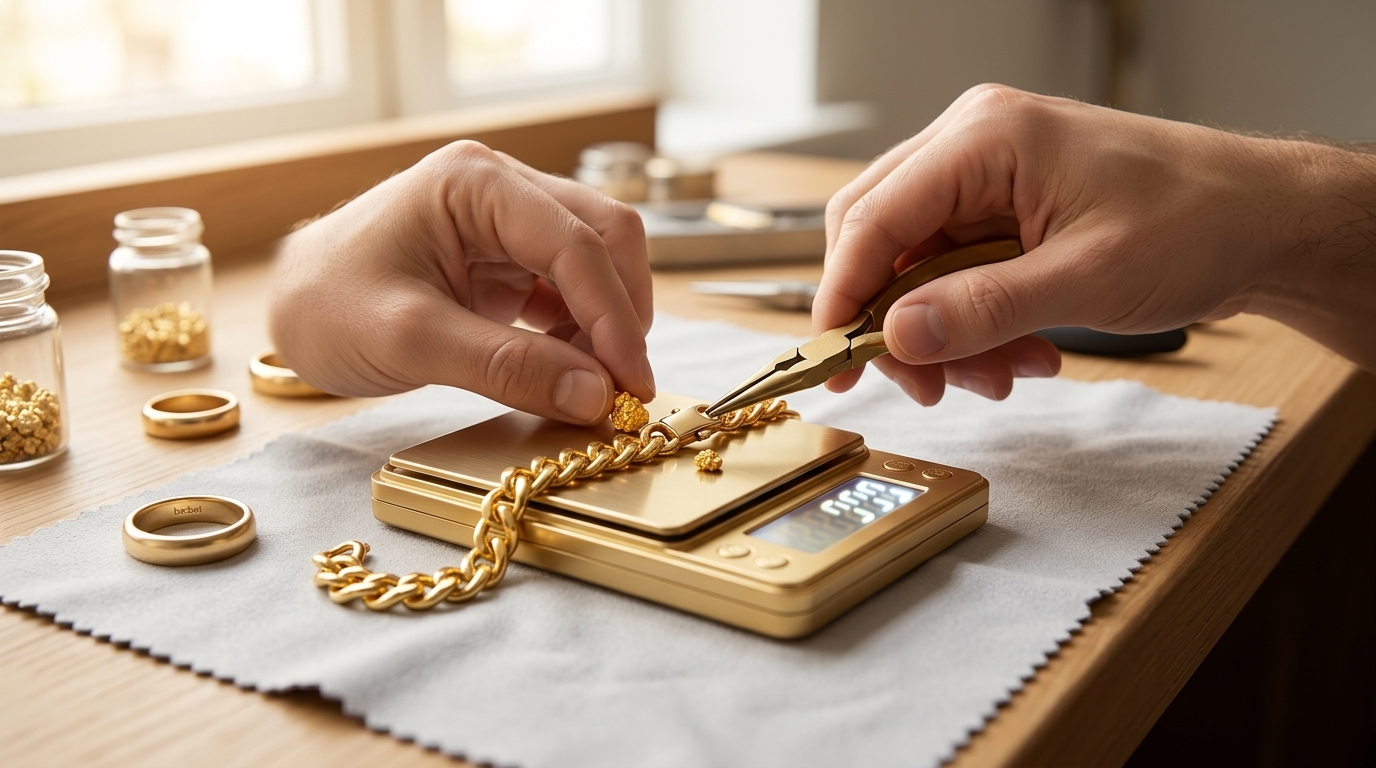
Where Timeless Gold Becomes Everyday Beauty
Distinguishing pure gold purity is not merely a matter of comparing numbers. It is the process of confirming how honestly a jeweler upholds standards, and how much skilled dedication goes into shaping soft gold into jewelry you want to wear every day.
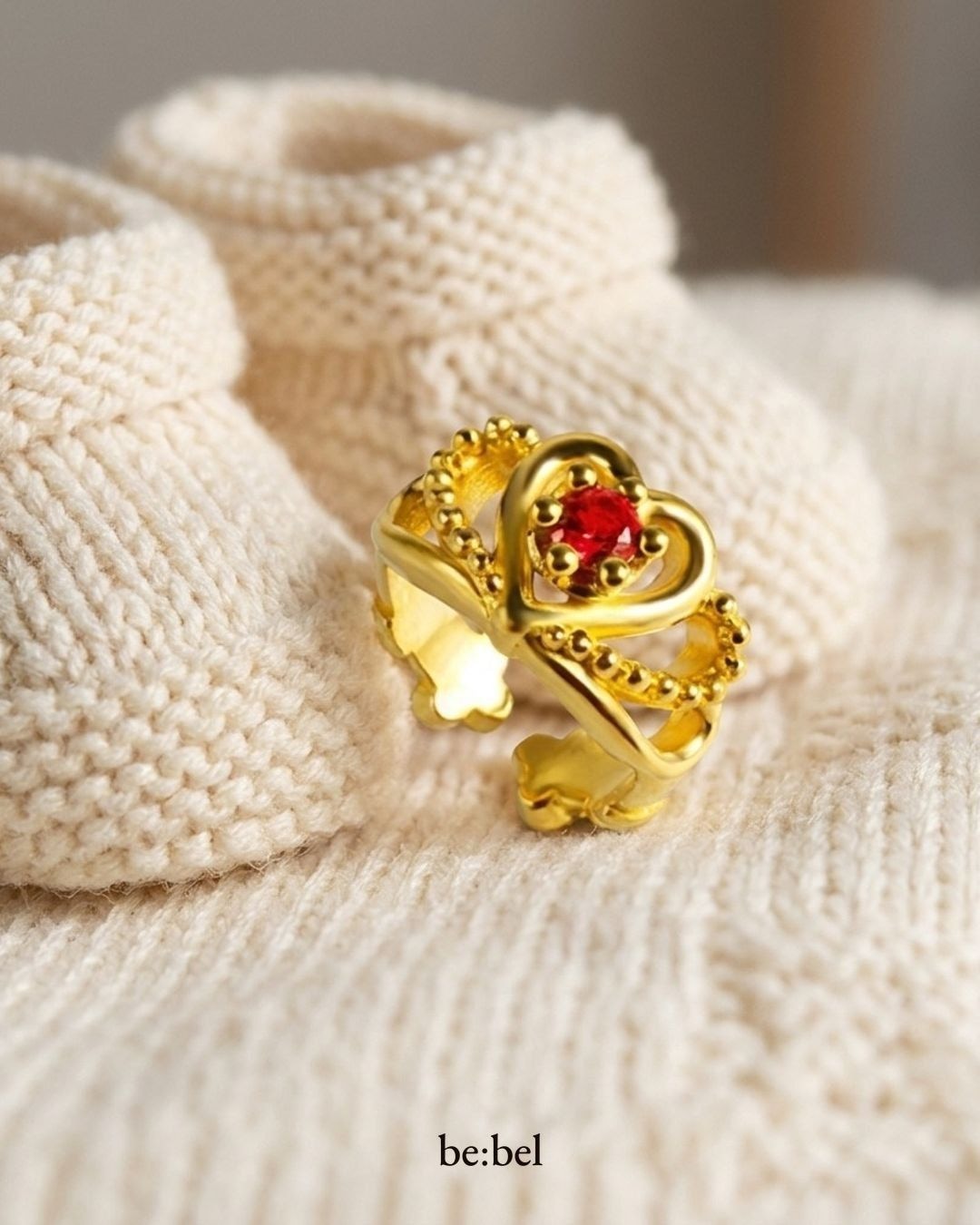
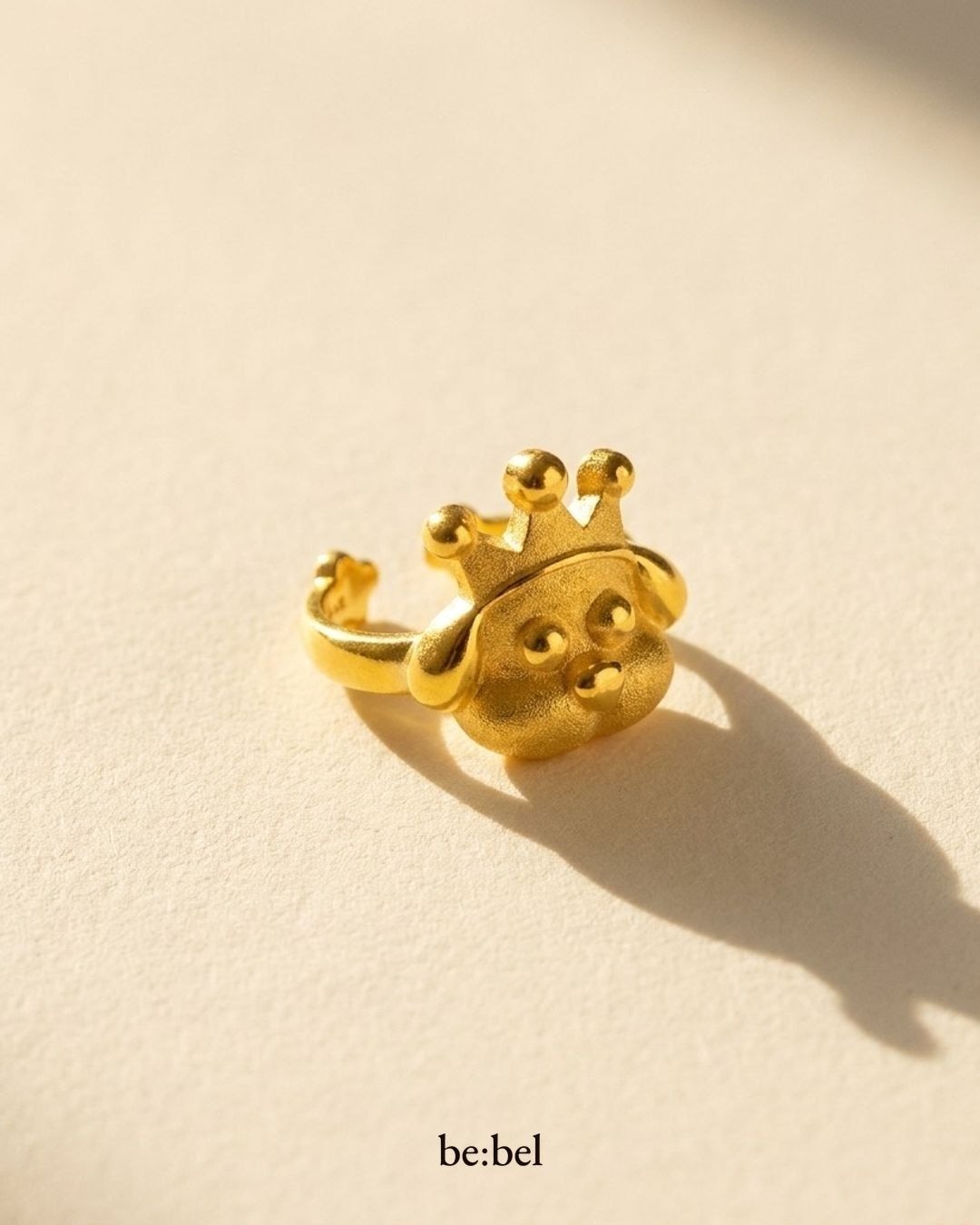
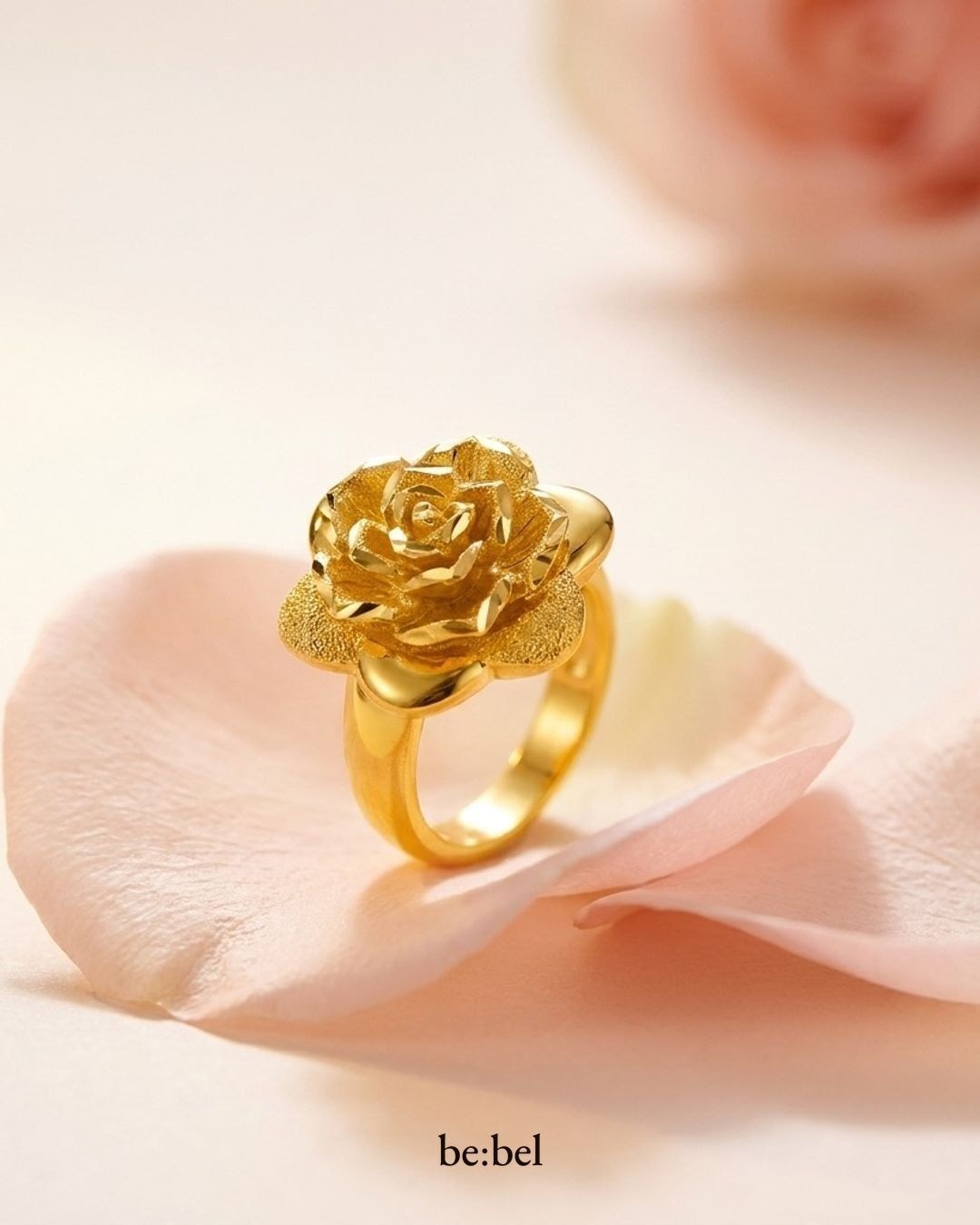
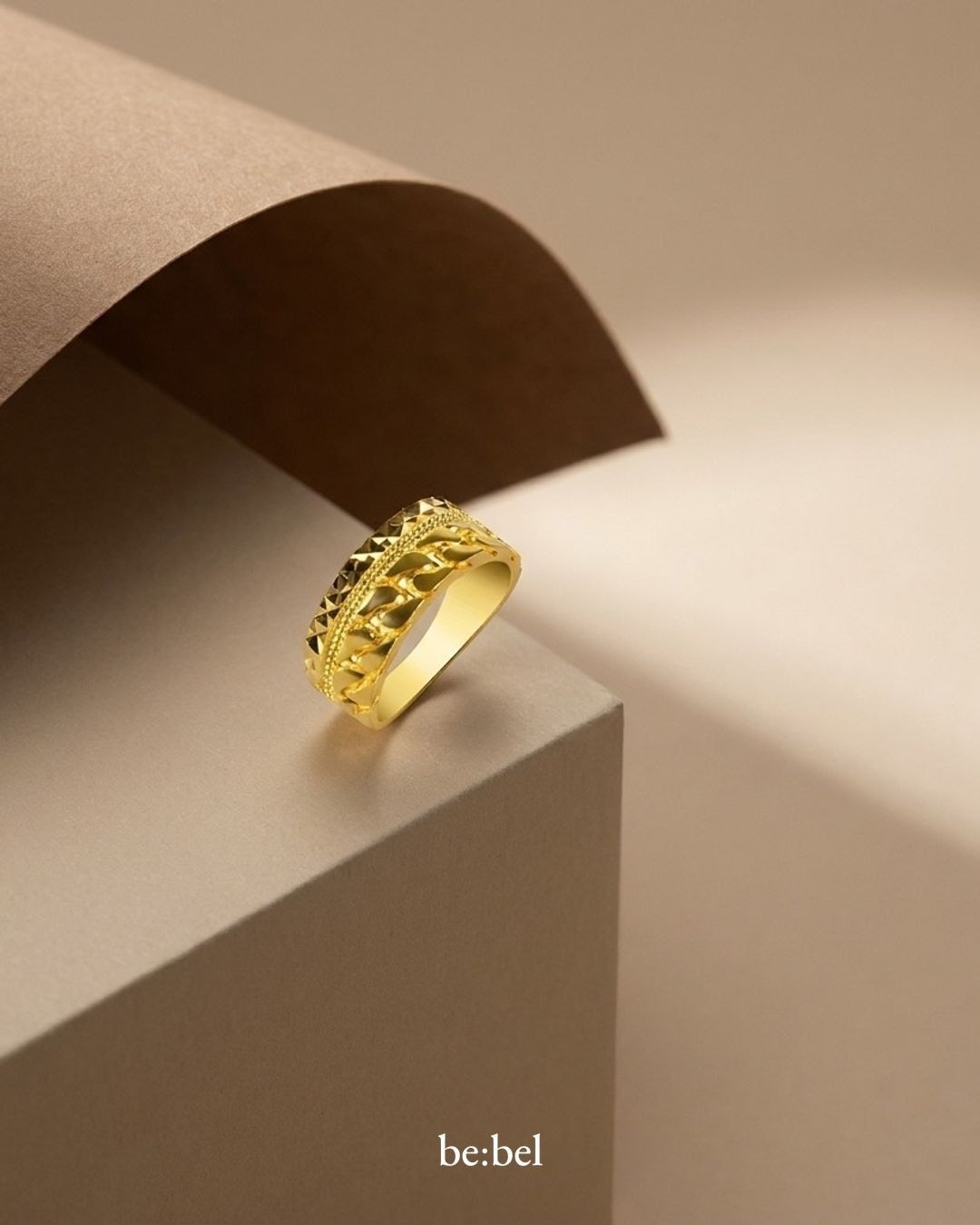
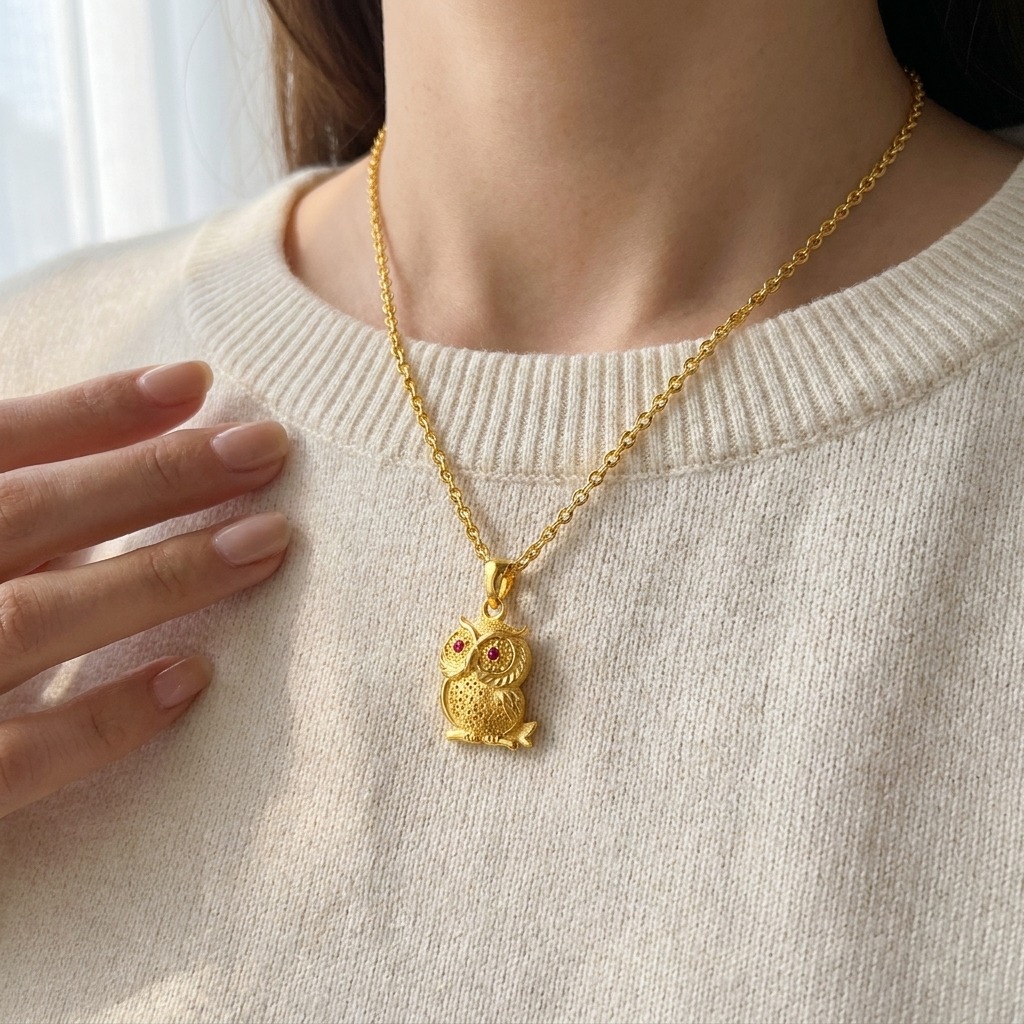
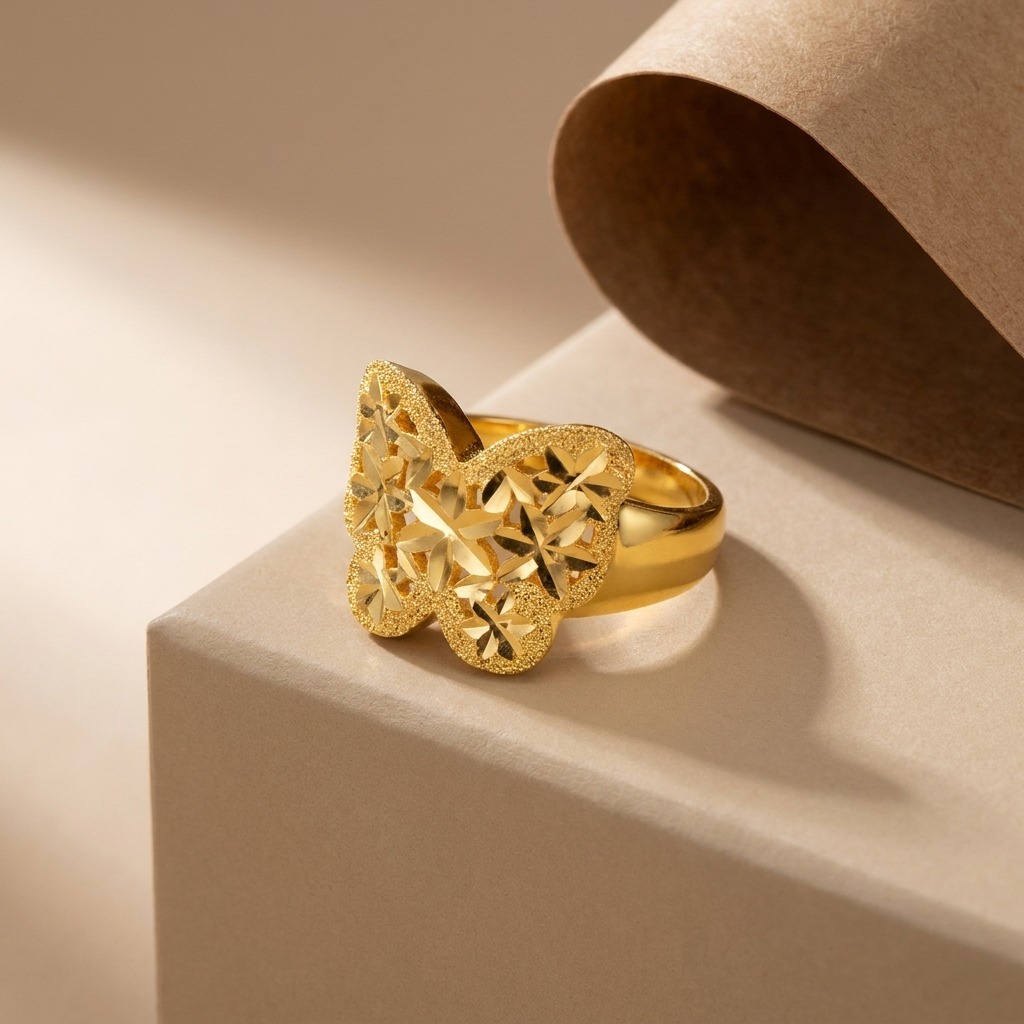
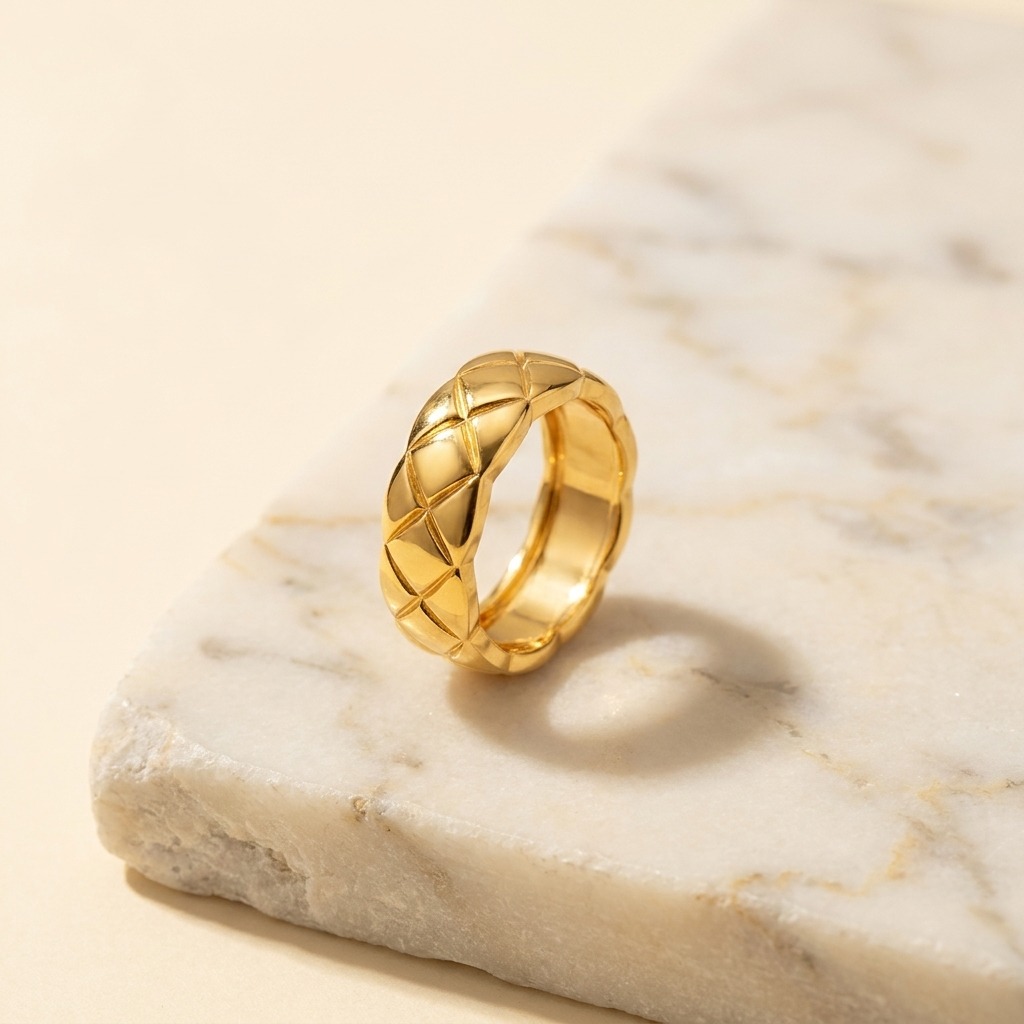
Pure gold is a demanding material to handle. Apply slightly the wrong pressure, and it bends; miss the flame's temperature by a fraction, and its form collapses. be:bel's pure gold jewelry strictly adheres to the established 995 purity and precise weights, while each piece is finished by master craftsmen so that the design balance remains uncompromised regardless of size or chain length. Preserving the exact proportions and graceful silhouette of gold even as a ring size grows or a necklace lengthens is a sophisticated feat achievable only by craftsmen who have worked with gold for decades.
be:bel also respects the full value of its pieces during buyback, adhering to the principle of buying back at top market value based on equivalent weight without deducting refining fees. Furthermore, every piece is fitted with our proprietary hologram authentication mark, providing unwavering confidence in the stated purity and weight.
An honest promise to craft dol rings at 999 and everyday jewelry at 995 with strength and beauty. If you wish to keep the timeless value of pure gold as the most comfortable and radiant piece in your collection, explore the be:bel collection, crafted with honest purity and meticulous artistry.
be:bel Pure Gold Jewelry · Editor B
Frequently Asked Questions
Does a pure gold piece marked with 995 mean it lacks sufficient gold content?
No. The 995 hallmark is a technical standard required to preserve the form and integrity of jewelry crafted for daily wear. Due to the inherent softness of pure gold, delicate pieces require microscopic soldering, resulting in a purity of 995.
Why does the purity of a dol ring differ from that of everyday pure gold jewelry?
Dol rings feature simple forms that require virtually no soldering, allowing them to be crafted at 99.9% (999) purity. In contrast, everyday jewelry must withstand friction and daily movement; soldering is essential to ensure structural integrity and retain design detail, resulting in a purity of 99.5% (995).
How can I verify the purity of pure gold jewelry?
Review the brand's warranty system, official hallmark certification stamps, and trusted authentication process. For necklaces and bracelets, clasps are standardly crafted in 18K; it is essential to ensure that both the total weight and pure gold content are transparently stated.